



Muscle Mass, Metabolism, and Aging: Why Strength Training Becomes More Important as We Get Older
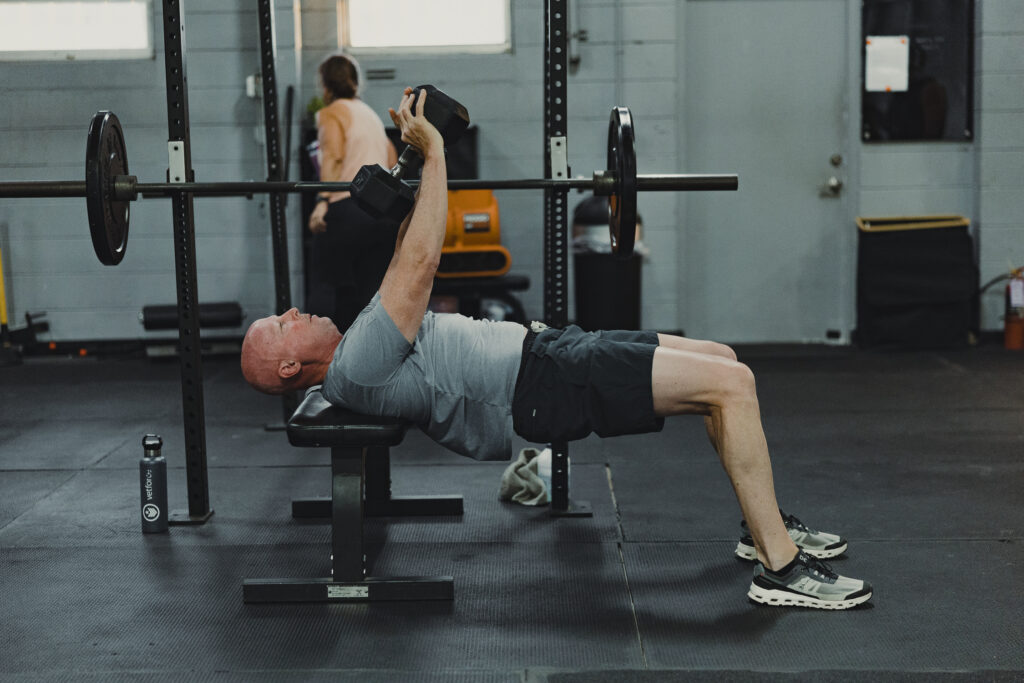
Most people associate aging with wrinkles, gray hair, and slowing down.
What many don’t realize is that one of the most significant changes that occurs with age happens beneath the surface: the gradual loss of muscle mass.
Beginning as early as our 30s, adults naturally start to lose muscle tissue. Over time, this decline can impact strength, metabolism, mobility, independence, and overall quality of life.
The good news?
While aging is inevitable, much of the muscle loss associated with aging is not.
Strength training and maintaining muscle mass may be among the most important things adults can do to improve their long-term health and longevity.
The Importance of Muscle Mass
Muscle does far more than help us look fit or perform well in the gym.
It plays a critical role in:
- Movement and mobility
- Balance and stability
- Joint health
- Metabolic function
- Blood sugar regulation
- Injury prevention
- Independence and quality of life
In many ways, muscle acts as the engine that keeps the body functioning efficiently.
The more muscle we preserve as we age, the better equipped we are to handle the physical demands of everyday life.
What Happens as We Age?
A natural process known as sarcopenia refers to the age-related loss of muscle mass and strength.
Research suggests adults can lose:
- 3–8% of muscle mass per decade after age 30
- Even greater amounts after age 60
Without intervention, this decline can lead to:
- Reduced strength
- Slower metabolism
- Increased body fat
- Decreased mobility
- Greater risk of falls and injuries
- Reduced independence
Many people assume these changes are simply part of getting older.
In reality, inactivity often accelerates the process.
The Muscle-Metabolism Connection
One of the biggest misconceptions in fitness is that metabolism simply “slows down” with age.
While there are some age-related changes, a large portion of metabolic decline occurs because people lose muscle mass.
Muscle is metabolically active tissue.
This means it requires energy to maintain.
As muscle mass decreases:
- Daily calorie expenditure decreases
- Physical activity often decreases
- Weight gain becomes more likely
Many adults respond by eating less and doing more cardio.
Unfortunately, this approach often leads to even greater muscle loss.
The solution isn’t simply burning more calories.
It’s preserving and building muscle.
Why Strength Training Matters
Strength training is the most effective way to maintain and build muscle throughout life.
Benefits include:
Increased Muscle Mass
Strength training stimulates muscle growth and helps offset age-related muscle loss.
Improved Metabolism
More muscle helps support a healthy metabolic rate and improves the body’s ability to utilize energy.
Better Bone Health
Resistance training helps maintain bone density and reduce the risk of osteoporosis.
Improved Balance and Stability
Stronger muscles help support better movement and reduce fall risk.
Greater Independence
Simple tasks like climbing stairs, carrying groceries, and getting up from a chair become easier when strength is maintained.
Muscle Is a Longevity Tool
Recent research continues to demonstrate a strong relationship between strength, muscle mass, and longevity.
Individuals with higher levels of strength often experience:
- Lower rates of chronic disease
- Better metabolic health
- Improved mobility
- Greater independence later in life
In other words:
Muscle is not just about performance.
It’s about maintaining the ability to live life on your terms.
Cardio Alone Is Not Enough
Cardiovascular exercise remains important for heart health and overall wellness.
However, many adults rely exclusively on:
- Walking
- Running
- Cycling
- Group cardio classes
While these activities have benefits, they do little to prevent significant muscle loss.
An effective fitness program should include:
- Strength training
- Cardiovascular exercise
- Mobility work
- Recovery
The combination creates the best outcomes for long-term health.
The Role of Protein
Training is only part of the equation.
Maintaining muscle mass also requires proper nutrition.
Protein provides the building blocks necessary for:
- Muscle repair
- Muscle growth
- Recovery
As adults age, protein becomes even more important because the body becomes less efficient at stimulating muscle protein synthesis.
Many adults benefit from:
- Consistent protein intake throughout the day
- Prioritizing high-quality protein sources
- Pairing strength training with adequate nutrition
It’s Never Too Late to Start
One of the most encouraging findings in exercise science is that adults can improve strength and muscle mass at virtually any age.
Studies consistently show meaningful improvements in:
- Strength
- Balance
- Mobility
- Quality of life
Even in individuals in their 70s, 80s, and beyond.
The body remains remarkably adaptable when given the right stimulus.
What Should Adults Focus On?
Rather than chasing the latest fitness trend, adults should focus on building a sustainable program that includes:
Strength Training
2–4 days per week
Cardiovascular Exercise
For heart health and endurance
Mobility and Stability Training
To maintain movement quality and reduce injury risk
Recovery
Sleep, hydration, nutrition, and stress management
Consistency always beats intensity.
Final Thoughts
Aging is inevitable.
Losing muscle doesn’t have to be.
Maintaining muscle mass is one of the most powerful investments you can make in your long-term health, metabolism, mobility, and independence.
The goal isn’t simply to live longer.
The goal is to maintain the strength, energy, and physical capacity to fully enjoy life along the way.
At SPECTRUM, we believe fitness should prepare you for life. And one of the best ways to do that is by building and preserving the muscle that keeps you moving, thriving, and performing at your best for decades to come.
Leave a Reply