



Perimenopause and Strength Training: Why This Is One of the Most Important Times to Exercise
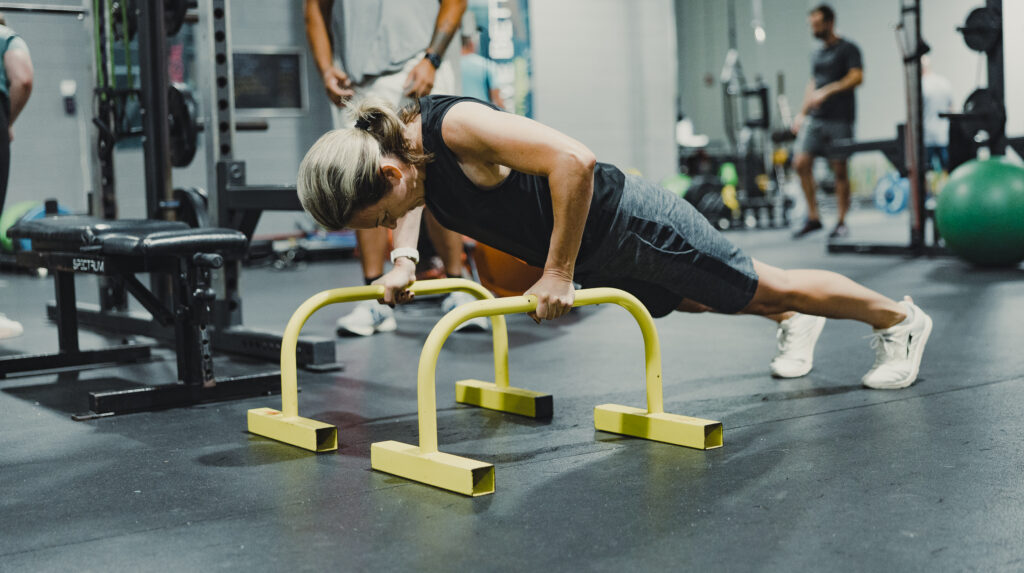
For many women, perimenopause can feel like a mystery.
One day, the workouts that always worked no longer produce the same results. Weight begins to accumulate around the midsection. Energy levels fluctuate. Recovery takes longer. Sleep becomes inconsistent. Strength seems to decline despite exercising regularly.
Many assume this is simply “getting older.”
It isn’t.
These changes are largely driven by the hormonal shifts that occur during perimenopause—the transitional period leading up to menopause. While these changes are normal, they don’t mean women should accept declining health, strength, or vitality.
In fact, this may be the single most important stage of life to prioritize strength training and regular exercise.
What Is Perimenopause?
Perimenopause is the transition before menopause when hormone production—particularly estrogen and progesterone—begins to fluctuate.
It typically begins between the ages of 40 and 50, although some women experience symptoms earlier.
Unlike menopause, which is defined as twelve consecutive months without a menstrual period, perimenopause can last anywhere from four to ten years.
During this time, hormone levels become increasingly unpredictable, affecting nearly every system in the body.
Common Symptoms
Every woman experiences perimenopause differently, but common symptoms include:
- Fatigue
- Weight gain
- Loss of muscle mass
- Increased body fat
- Reduced metabolism
- Hot flashes
- Night sweats
- Sleep disturbances
- Mood changes
- Brain fog
- Joint pain
- Reduced bone density
- Slower recovery
Many women notice that despite eating the same way and exercising regularly, their body begins responding differently.
This is not a lack of effort.
It’s physiology.
Why Muscle Mass Matters More Than Ever
Beginning around age 30, adults naturally begin losing muscle mass.
During perimenopause, this process often accelerates.
Why does this matter?
Muscle isn’t just important for appearance.
It plays a critical role in:
- Metabolism
- Blood sugar regulation
- Bone health
- Joint stability
- Balance
- Functional independence
- Longevity
Women who preserve muscle during midlife are better positioned to remain healthy and active for decades to come.
Strength Training Helps Preserve Lean Muscle
Strength training provides one of the strongest signals your body can receive:
Keep this muscle. We still need it.
Regular resistance training helps:
- Preserve lean muscle mass
- Increase strength
- Improve functional movement
- Enhance posture
- Reduce age-related muscle loss (sarcopenia)
Even two to three sessions each week can produce meaningful improvements.
Strength Training Supports Bone Health
Declining estrogen contributes to reduced bone mineral density.
As bones become weaker, the risk of osteoporosis and fractures increases.
Resistance training places healthy stress on bones, encouraging them to remain strong.
Exercises such as:
- Squats
- Deadlifts
- Lunges
- Presses
- Rows
- Carries
stimulate both muscles and bones simultaneously.
The result is greater strength and improved skeletal health.
Exercise Helps Manage Body Composition
One of the biggest frustrations during perimenopause is weight gain.
The issue often isn’t simply body weight.
It’s body composition.
Many women lose muscle while gaining fat.
Strength training helps reverse that trend by:
- Increasing lean muscle
- Supporting metabolic health
- Improving insulin sensitivity
- Increasing daily calorie expenditure
- Reducing abdominal fat over time
Rather than focusing solely on the number on the scale, women should prioritize building and maintaining muscle.
Metabolism Doesn’t Have to Slow Down
Muscle is metabolically active tissue.
While it isn’t a magic calorie burner, maintaining muscle helps support a healthier metabolism and makes it easier to stay active.
More importantly, stronger muscles allow women to continue doing the activities they enjoy.
Fitness isn’t just about burning calories.
It’s about preserving quality of life.
Strength Improves Everyday Life
Strength training isn’t only about lifting weights.
It’s about making everyday tasks easier.
Activities like:
- Carrying groceries
- Picking up grandchildren
- Climbing stairs
- Traveling
- Gardening
- Playing sports
- Hiking
all become easier when strength is maintained.
Strength is functional independence.
Exercise Improves Mood and Energy
Hormonal fluctuations can affect emotional well-being.
Regular exercise has been shown to:
- Improve mood
- Reduce stress
- Increase energy
- Improve confidence
- Reduce symptoms of anxiety
- Support better sleep
Movement is one of the most effective tools available for both physical and mental health.
Cardiovascular Health Matters Too
Heart disease becomes an increasing concern after menopause.
Regular aerobic exercise helps:
- Improve cardiovascular fitness
- Lower blood pressure
- Improve cholesterol profiles
- Enhance circulation
- Support overall heart health
A balanced fitness program should include both resistance training and cardiovascular exercise.
Mobility Keeps You Moving Well
As we age, maintaining movement quality becomes increasingly important.
Mobility training helps improve:
- Joint health
- Flexibility
- Balance
- Stability
- Movement efficiency
Mobility isn’t about becoming more flexible.
It’s about moving well.
Recovery Is Part of the Program
Recovery becomes increasingly important during perimenopause.
This includes:
- Quality sleep
- Proper nutrition
- Adequate protein intake
- Hydration
- Stress management
- Appropriate training volume
More exercise isn’t always better.
Smart, consistent exercise produces the best long-term results.
Nutrition Supports the Process
Exercise and nutrition work together.
Women during perimenopause should prioritize:
- Adequate protein intake
- Fruits and vegetables
- Healthy fats
- Whole grains
- Calcium-rich foods
- Vitamin D (when appropriate)
- Proper hydration
Fueling the body properly helps support recovery and maintain muscle.
The SPECTRUM Fitness Approach
At SPECTRUM, we believe fitness should evolve with every stage of life.
Our adult fitness programs are designed to help individuals:
- Build and maintain muscle
- Improve strength safely
- Enhance movement quality
- Increase confidence
- Improve energy
- Support long-term health
Every program is individualized based on goals, experience, movement quality, and current fitness level.
Whether someone is new to exercise or has trained for years, our focus remains the same:
Helping people move better, feel better, and live stronger.
It’s Never Too Late to Start
One of the greatest misconceptions is that it’s too late to build strength.
Research consistently shows that adults can improve:
- Muscle mass
- Bone density
- Strength
- Balance
- Functional capacity
well into their 60s, 70s, and beyond.
The body is remarkably adaptable when challenged appropriately.
Final Thoughts
Perimenopause marks a significant transition—but it doesn’t have to be a decline.
While hormonal changes are inevitable, losing strength, confidence, and vitality is not.
Strength training, regular exercise, good nutrition, and proper recovery can help women navigate this stage of life with resilience and confidence.
At SPECTRUM, we don’t believe fitness is about chasing a number on the scale. It’s about building a stronger, healthier body that supports the life you want to live.
Because during perimenopause—and every stage that follows—strength isn’t just beneficial. It’s essential.
Leave a Reply