



The Ultimate Summer Training Schedule for Middle School, High School, & College Athletes
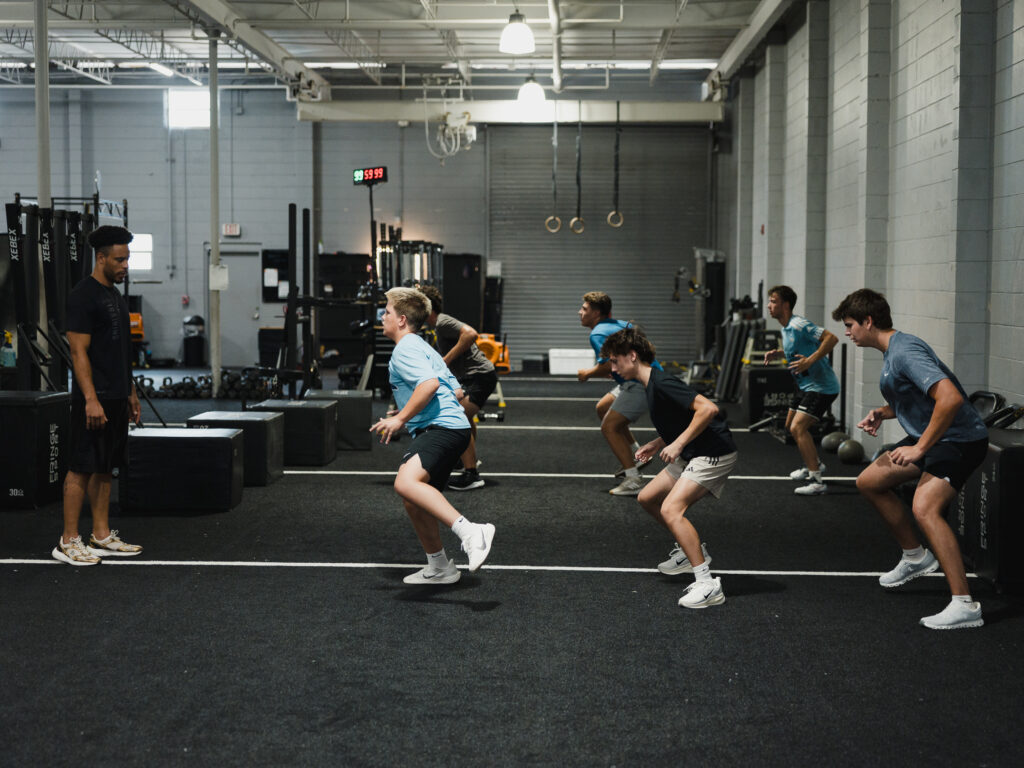
Summer is the most valuable training window of the year—but only if it’s used with structure and intent.
Without school, games, and heavy practice schedules, athletes finally have the time to train consistently, recover properly, and make real physical progress. But the goal isn’t to fill every day with workouts—it’s to follow a smart, balanced weekly structure that drives development.
This guide outlines what an effective weekly summer training schedule should look like for middle school, high school, and college athletes—without overcomplicating the process.
The Foundation of Any Summer Program
Regardless of age or sport, all effective summer programs are built on the same principles:
- Consistency over intensity
- High-quality speed and power work
- Progressive strength development
- Built-in recovery
The athletes who improve the most are not the ones who do the most—they’re the ones who follow a structured plan week after week.
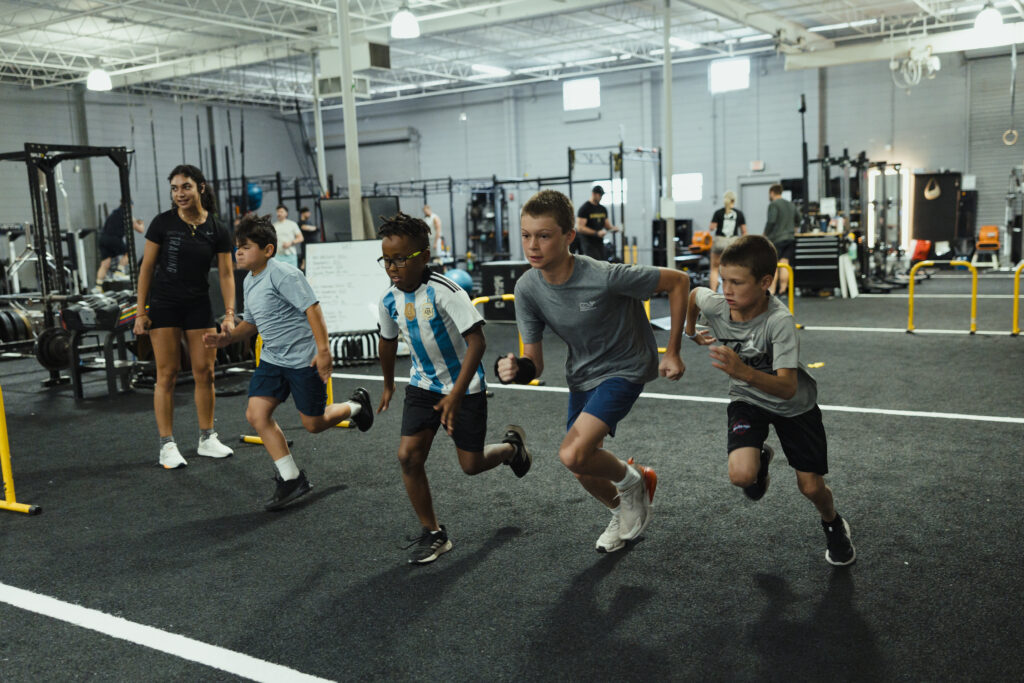
Middle School Athletes (Ages ~11–14)
Weekly Focus:
At this stage, the goal is to build athleticism and movement confidence.
A typical week should include:
- 2–3 days of movement and speed work
- 2–3 days of basic strength and coordination training
- 1–2 days of play or unstructured activity
Training should emphasize:
- Sprinting and acceleration mechanics
- Jumping and landing control
- Bodyweight strength and balance
- Coordination and reaction
Key Takeaway:
This phase is about learning how to move well, not pushing intensity. Keep it engaging, varied, and skill-focused.
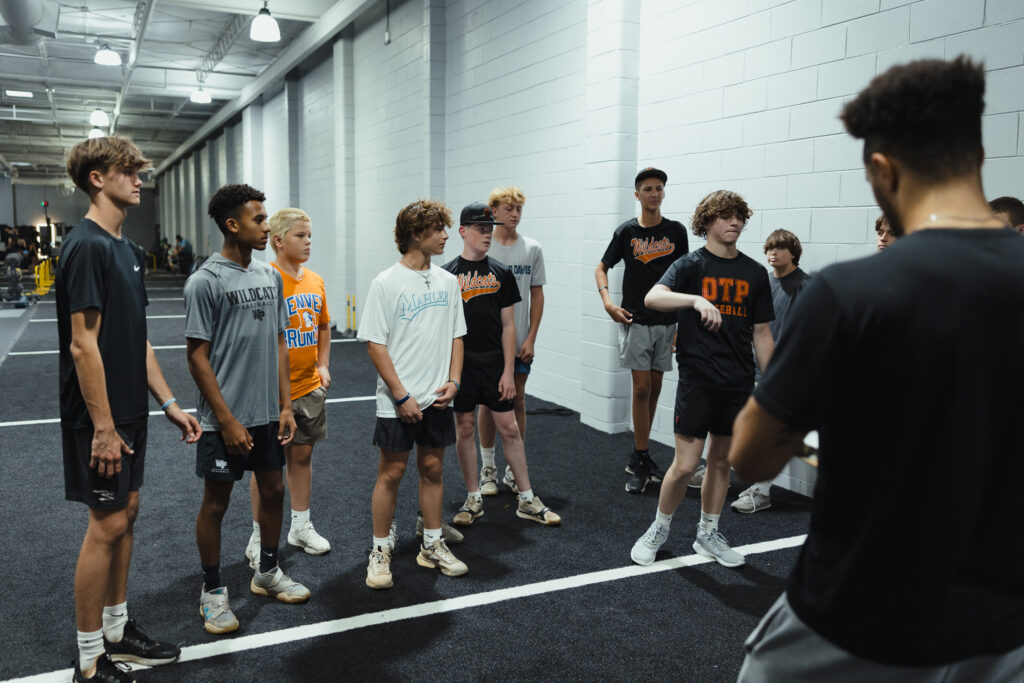
High School Athletes (Ages ~14–18)
Weekly Focus:
This is the most important stage for building real physical development.
A typical week should include:
- 2–3 strength training sessions
- 2–3 speed, agility and power sessions
- 1–2 recovery or mobility-focused days
Training should emphasize:
- Lower body strength and force production
- Acceleration and sprint mechanics
- Plyometric development (jumps, bounds)
- Core stability and injury prevention
Key Takeaway:
High school athletes should prioritize strength and speed development, while maintaining recovery and avoiding excessive conditioning.
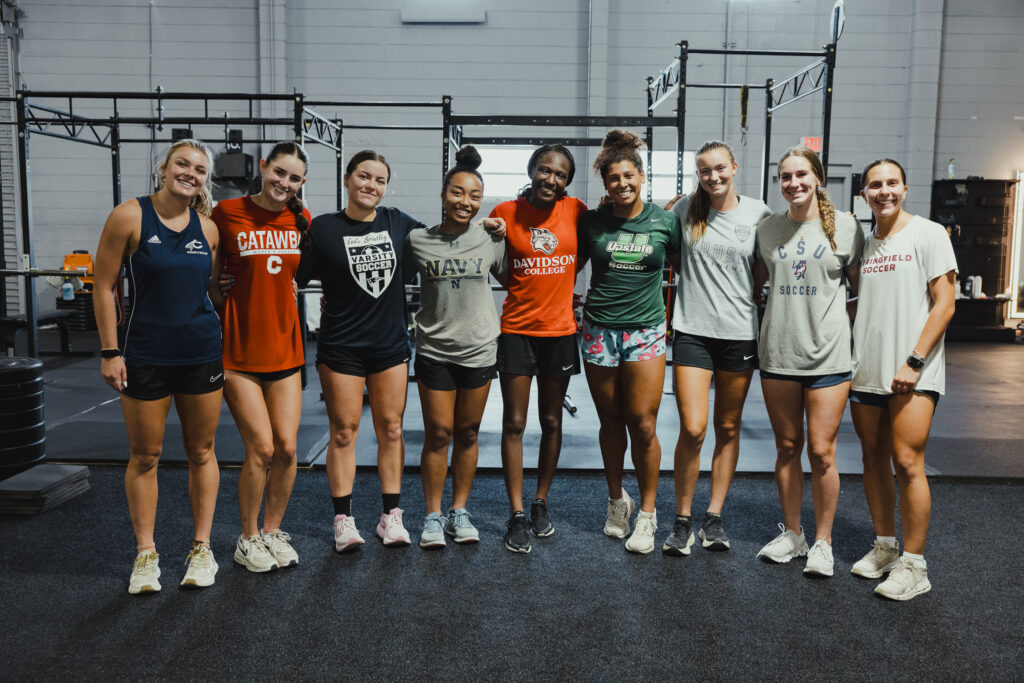
College Athletes
Weekly Focus:
At this level, training should be focused on maximizing performance and preparing for preseason demands.
A typical week should include:
- 3–4 strength and power sessions
- 2–3 speed, agility and high-intensity movement sessions
- 1–2 dedicated recovery days
Training should emphasize:
- Max strength and power output
- Advanced plyometrics and reactive work
- Sprint development (acceleration and max velocity)
- Individual weaknesses and positional demands
Key Takeaway:
College athletes should train with purpose—high intensity, controlled volume, and clear progression toward preseason readiness.
How the Summer Should Progress
A well-structured summer isn’t static—it evolves over time.
Early Summer
- Focus on building a foundation
- Higher volume, moderate intensity
- Emphasis on technique
Mid Summer
- Increase intensity
- Build strength and power
- Introduce more advanced work
Late Summer
- Peak speed and explosiveness
- Reduce overall volume
- Prepare for sport-specific demands
Recovery Is Part of the Plan
Progress doesn’t happen without recovery.
Every week should include:
- Rest days
- Mobility and movement work
- Adequate sleep and nutrition
Athletes who recover well are the ones who:
- Perform better
- Stay healthier
- Improve consistently
Common Summer Training Mistakes
Avoid:
- Training without a plan
- Too much conditioning, not enough speed
- Skipping strength work
- Inconsistent attendance
- Ignoring recovery
Summer success comes from structure, not randomness.
Final Thoughts
The best summer training schedules are not complicated—they’re consistent.
When athletes:
- Train 4–5 days per week
- Balance strength, speed, and recovery
- Follow a progressive plan
They return to their season:
- Stronger
- Faster
- More explosive
- Better prepared to compete
Because the athletes who improve the most aren’t doing something special.
They’re simply doing the right things—week after week—all summer long.
Leave a Reply