



Why Summer Is the Most Important Training Window for High School & College Athletes
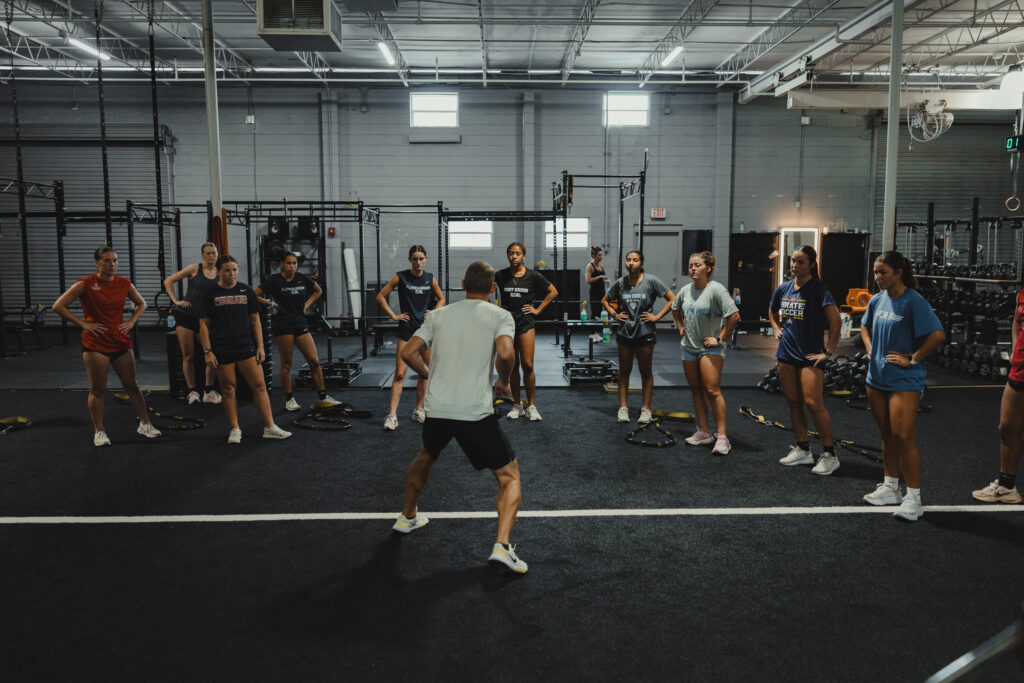
For many athletes, summer is viewed as downtime—a break from the structure of school, practices, and competition. But for athletes serious about improving, summer is not time off.
It is the most valuable training window of the year.
Summer provides the rare opportunity to train with fewer scheduling conflicts, lower sport-specific demands, and enough consistency to make meaningful physical progress. For high school and college athletes, how this period is used often determines who returns faster, stronger, healthier, and more prepared for the next season.
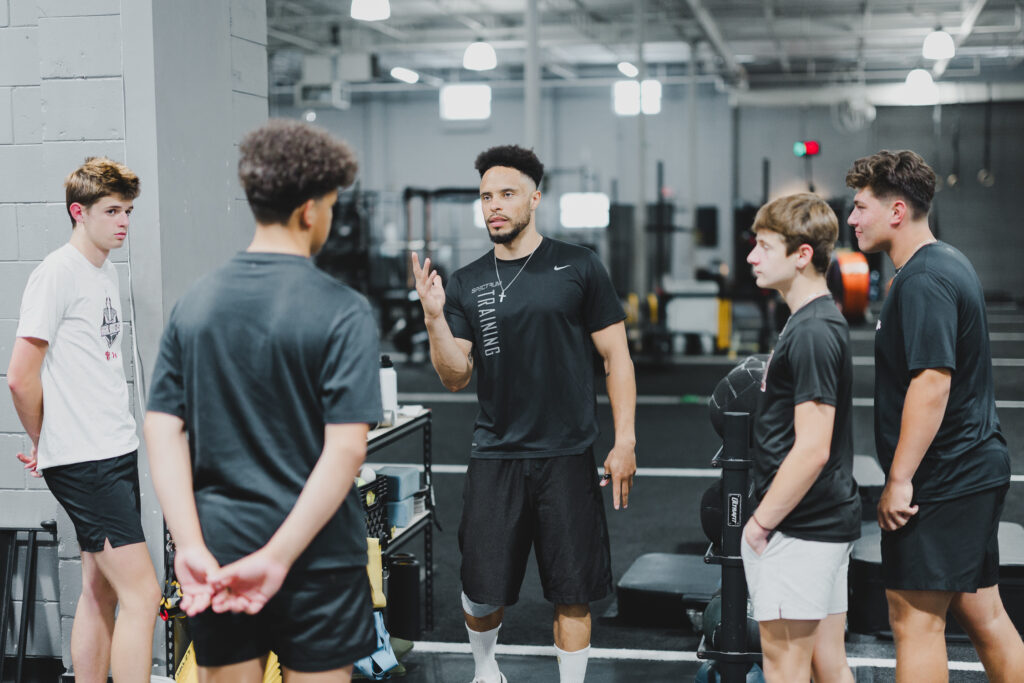
The Largest Window for True Development
During the season, training must often be adjusted around:
- Practices
- Games
- Travel
- Recovery needs
This limits how much physical development can realistically occur.
Summer is different.
With fewer competitive demands, athletes can:
- Train more consistently
- Recover more effectively
- Tolerate higher developmental workloads
This allows for focused progress in areas that are difficult to improve during the season.
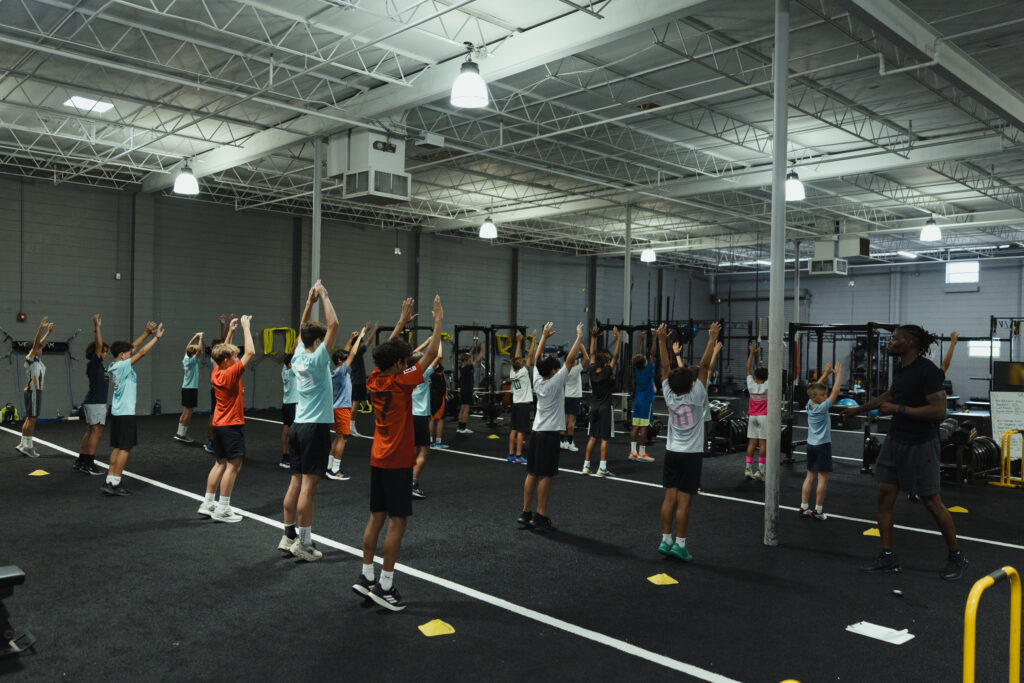
Strength and Power Take Time to Build
Qualities like strength, speed, and power do not improve overnight.
They require:
- Progressive overload
- Repeated exposure
- Consistency over weeks and months
Summer provides enough uninterrupted time to:
- Build foundational strength
- Improve force production
- Develop power and explosiveness
Without this window, many athletes spend the rest of the year trying to maintain instead of improve.
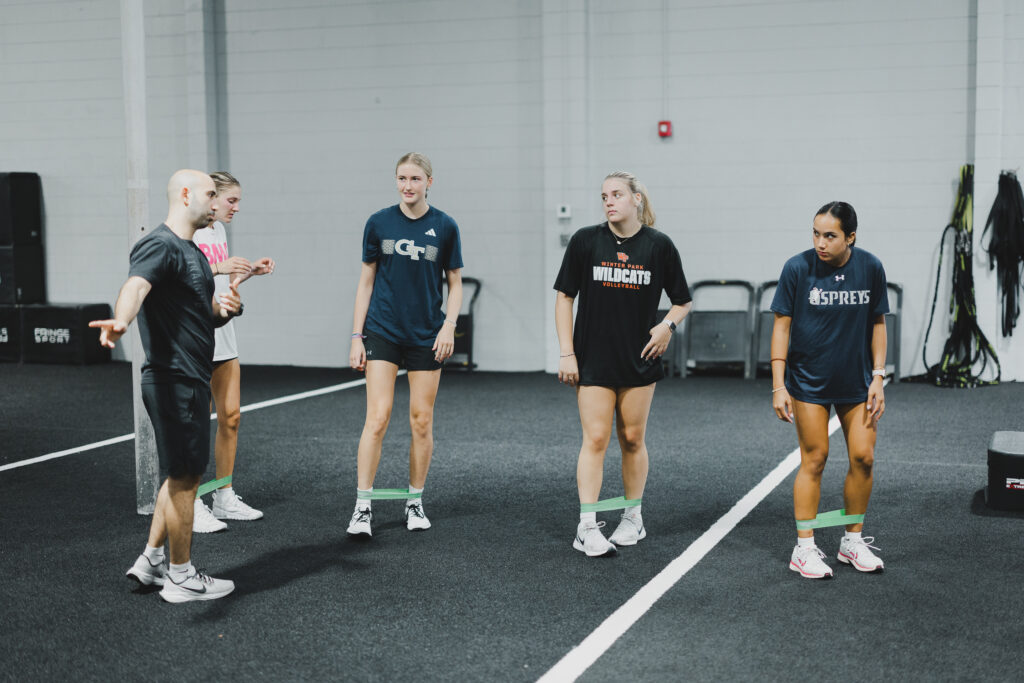
Speed Development Requires Recovery and Intent
True speed training is not conditioning.
It requires:
- Maximal effort
- High-quality movement
- Full recovery between reps
This is difficult to accomplish during busy seasons when athletes are already fatigued from sport.
Summer allows athletes to:
- Focus on acceleration and sprint mechanics
- Improve top-end speed
- Develop movement efficiency
Because the nervous system is fresher, speed work becomes more productive.
Injury Prevention Begins in the Off-Season
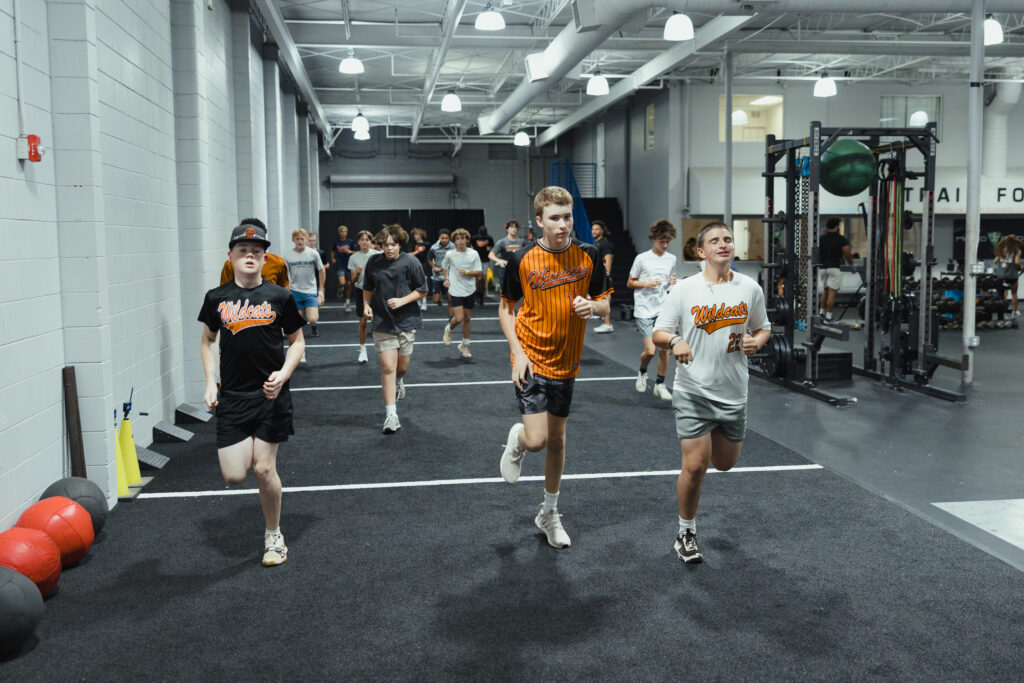
Many injuries that occur during the season are the result of insufficient preparation beforehand.
Summer is the time to:
- Build tissue tolerance
- Improve joint stability
- Address movement limitations
- Correct asymmetries and weaknesses
Athletes who use summer to prepare their bodies are more resilient when competitive demands return.
Summer Is When Athletes Separate Themselves
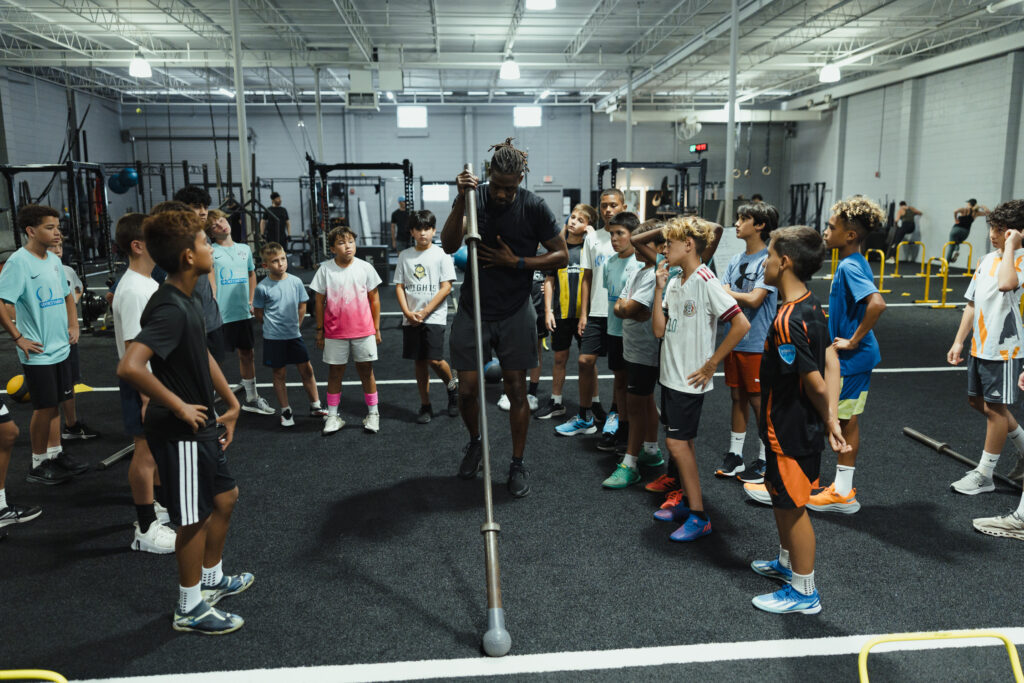
Every athlete wants to improve. Not every athlete uses summer to do it.
The athletes who make the biggest jumps from year to year are often those who:
- Train consistently when others take time off
- Build habits and discipline
- Stack weeks of quality work together
Performance gains are rarely made during the season—they are revealed during the season after being built in the summer.
College Athletes Need Summer More Than Ever
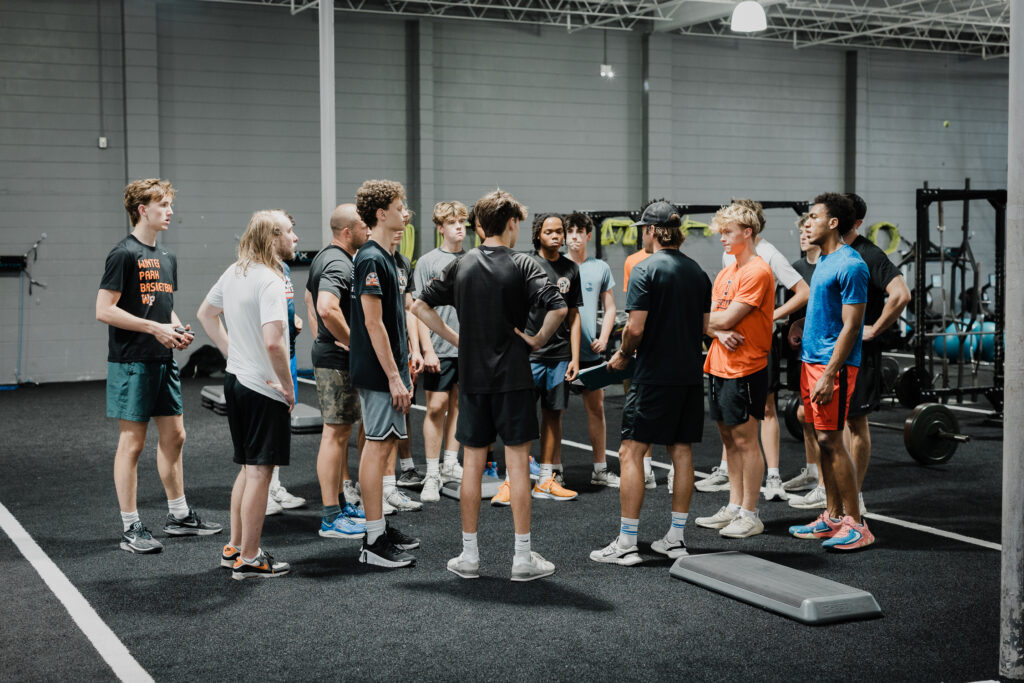
For collegiate athletes, summer is often the only extended period to:
- Address weaknesses from the previous season
- Build physical qualities lost during competition
- Prepare for increased roster competition
Returning to campus physically improved can dramatically impact:
- Depth chart position
- Playing time
- Durability during preseason
At higher levels, small improvements matter.
High School Athletes Build Their Foundation Here
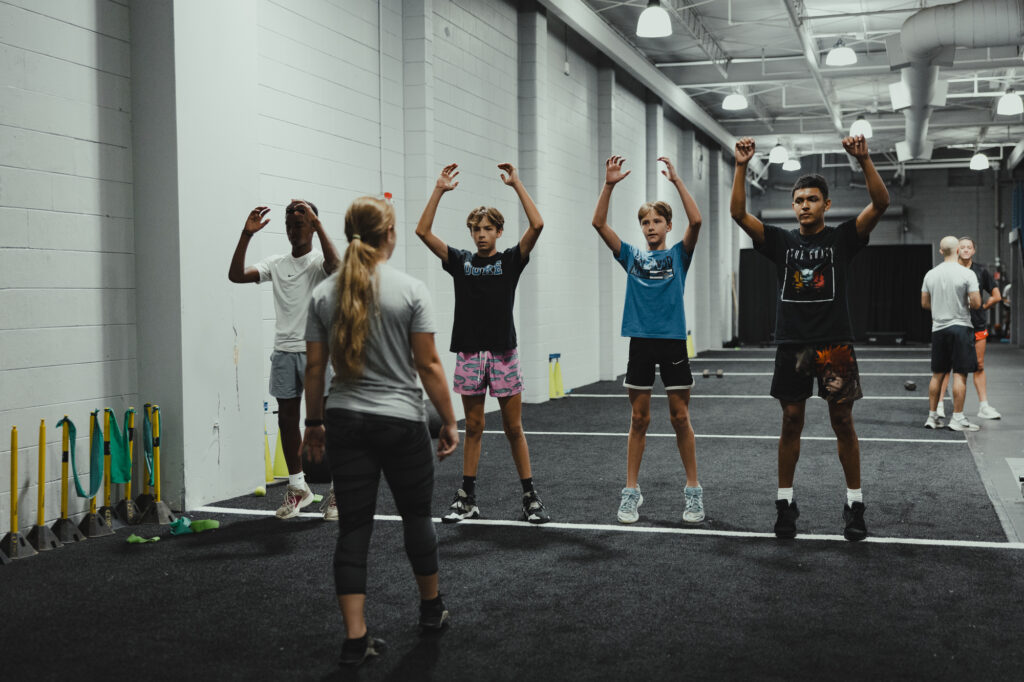
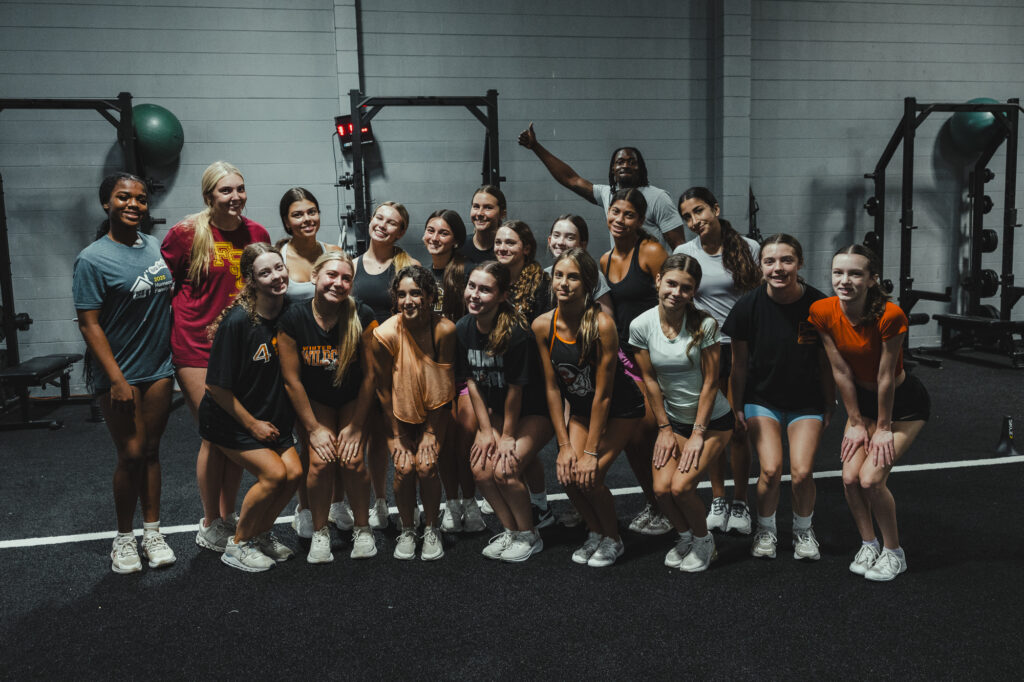
For high school athletes, summer is critical for:
- Learning proper movement patterns
- Developing foundational strength
- Building speed and coordination
- Preparing for varsity and collegiate demands
These years are foundational. Missing summers means missing valuable developmental opportunities.
More Than Physical Development
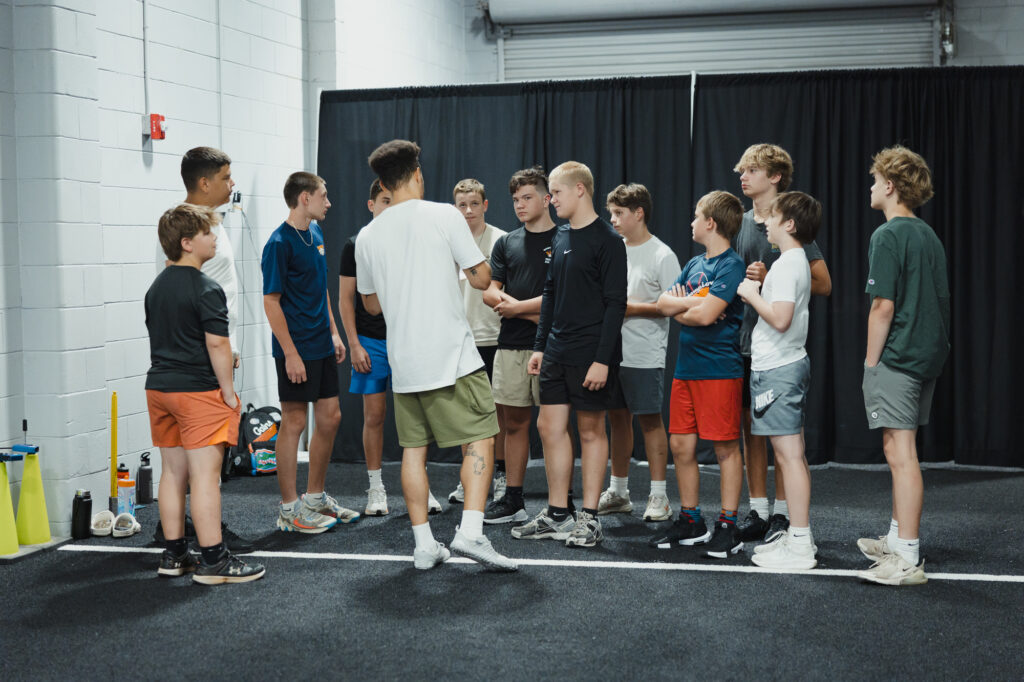
Summer training also builds:
- Discipline
- Routine
- Accountability
- Confidence
Athletes who commit to structured summer training often return not just physically improved, but mentally more prepared for the demands ahead.
What Effective Summer Training Should Include
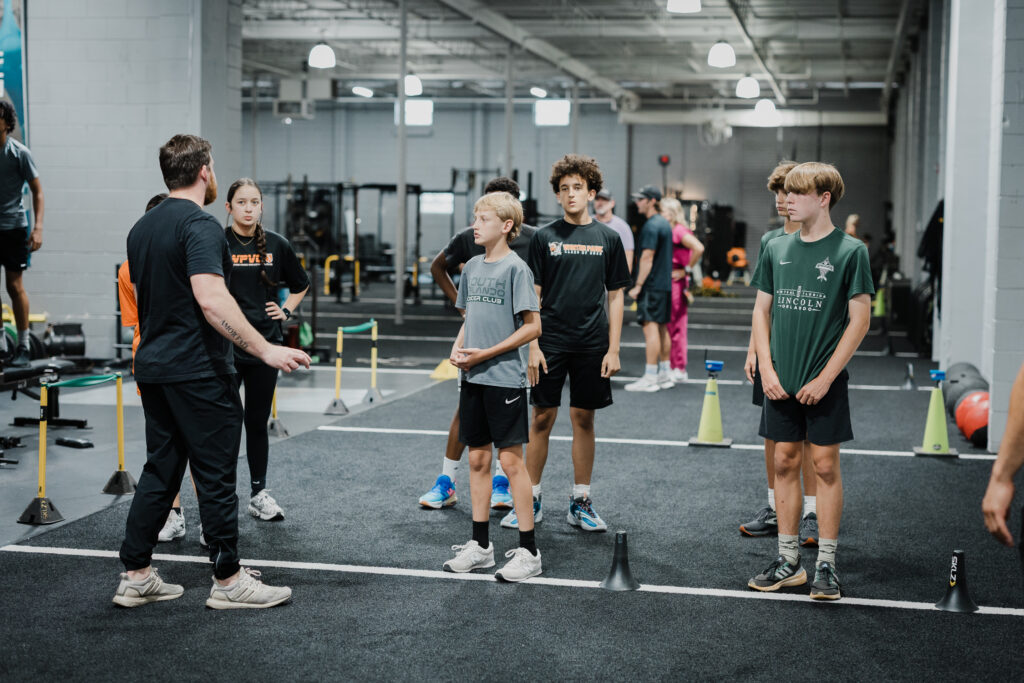
A complete summer program should address:
Strength Development
Building force production and structural resilience
Speed & Acceleration
Improving sprint mechanics and explosiveness
Power Training
Teaching athletes to express force rapidly
Mobility & Recovery
Supporting movement quality and durability
Conditioning
Building sport-specific work capacity without compromising speed or strength
Everything should be structured progressively—not random workouts.
Final Thoughts
Summer is not just another training block.
It is the best opportunity athletes have all year to make meaningful physical progress.
The athletes who maximize this window return:
- Stronger
- Faster
- More resilient
- Better prepared to compete
Because when the season arrives, it’s too late to build the foundation.
Summer is when that work gets done.


Leave a Reply