



Why Strength Training Is Essential for High School-Aged Soccer Players

Soccer is often viewed as an endurance-driven sport — miles covered, constant movement, and nonstop play. While aerobic fitness is important, it is not what separates resilient, high-performing players from those who struggle with injuries, inconsistency, or stalled development.
For high school–aged soccer players, strength training is not optional, dangerous, or premature. When done correctly, it is one of the most important tools for performance, injury reduction, and long-term development.
This article breaks down why strength training is essential during the high school years and how it directly supports soccer performance.
High School-Aged Is a Critical Development Window

High school-aged athletes are in a unique phase of development:
- Rapid growth and changes in body proportions
- Increases in speed, strength, and power potential
- Higher training and match volumes than youth levels
This is also the period when many non-contact injuries begin to appear.
Without adequate strength, athletes are often asking their bodies to tolerate forces they are not prepared for. Strength training provides the foundation needed to safely handle the physical demands of the game.
Soccer Is a High-Force, High-Speed Sport
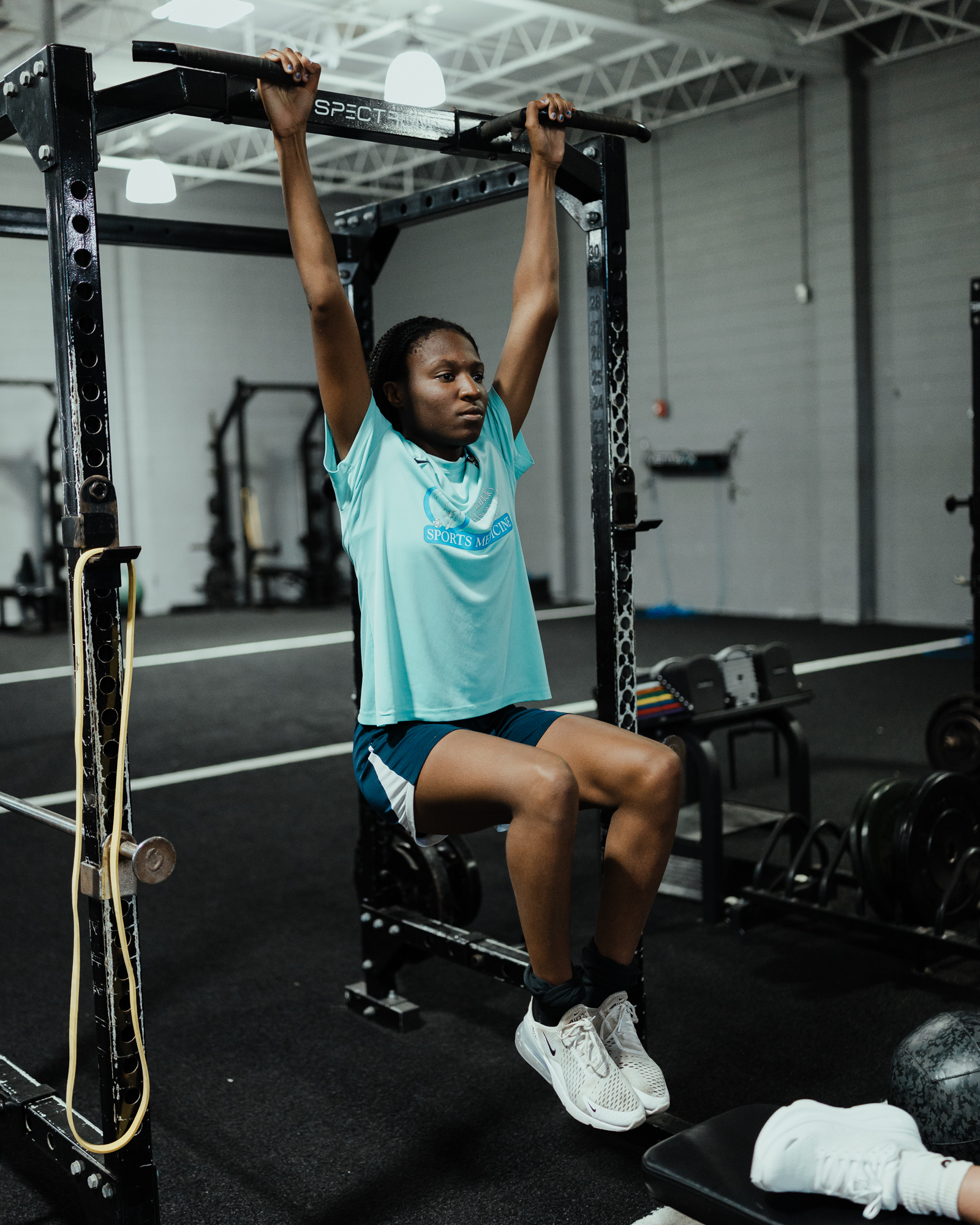
Although soccer looks continuous, it is built on repeated high-intensity actions:
- Accelerations and decelerations
- Sprinting and repeated sprint efforts
- Cutting, turning, and lateral movement
- Jumping, landing, and physical contact
All of these actions place significant stress on muscles, tendons, and joints.
Strength training improves an athlete’s ability to produce force, absorb force, and redirect force — the exact demands soccer places on the body.
Strength Reduces Injury Risk
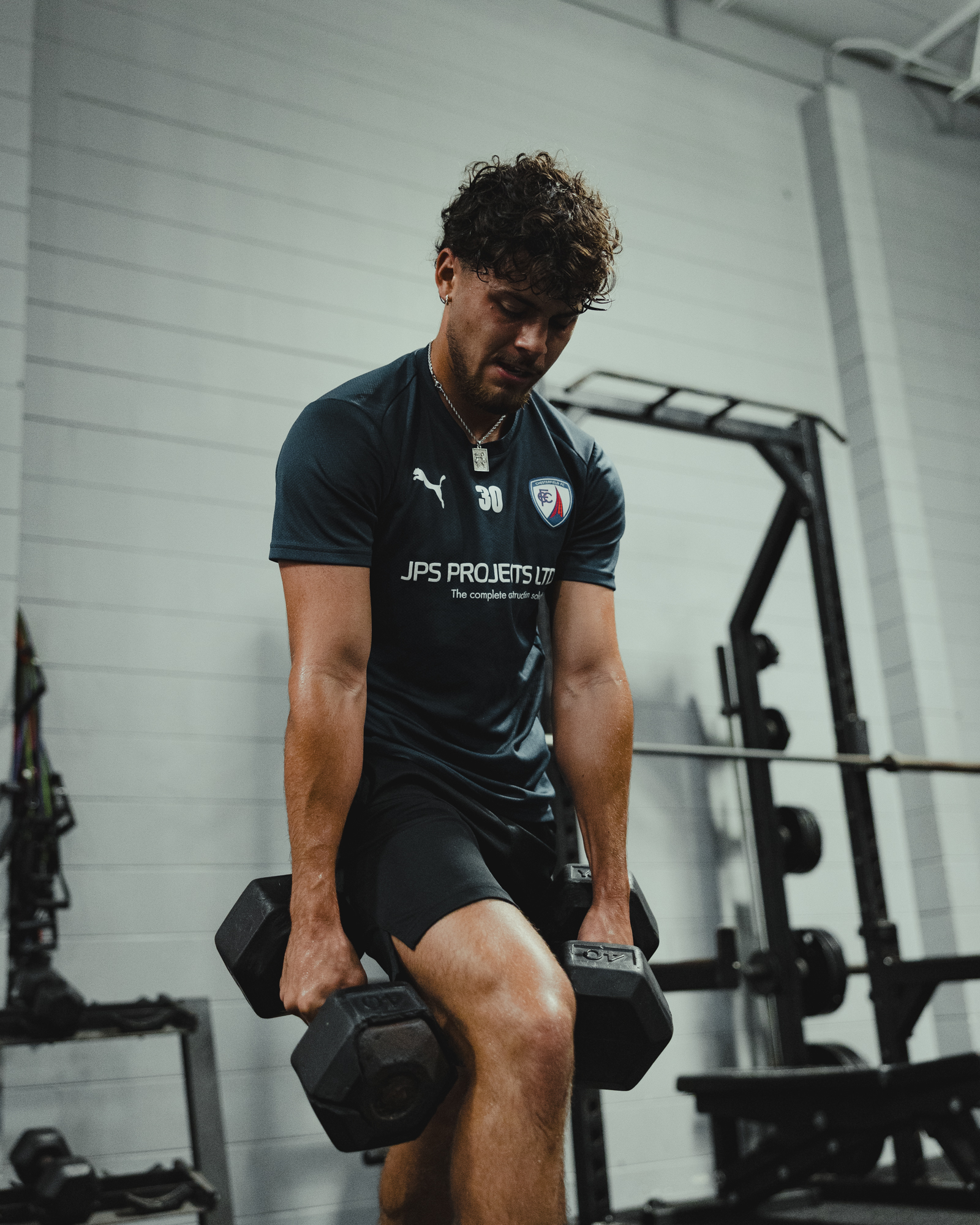
One of the strongest benefits of strength training is its role in injury prevention.
High school soccer players commonly experience:
- Hamstring strains
- Groin and hip issues
- Knee injuries (including ACL)
- Ankle sprains
Properly designed strength training:
- Improves joint stability
- Builds tissue tolerance
- Enhances deceleration and braking ability
- Addresses asymmetries created by repetitive play
Stronger athletes are more resilient athletes.
Strength Supports Speed and Acceleration
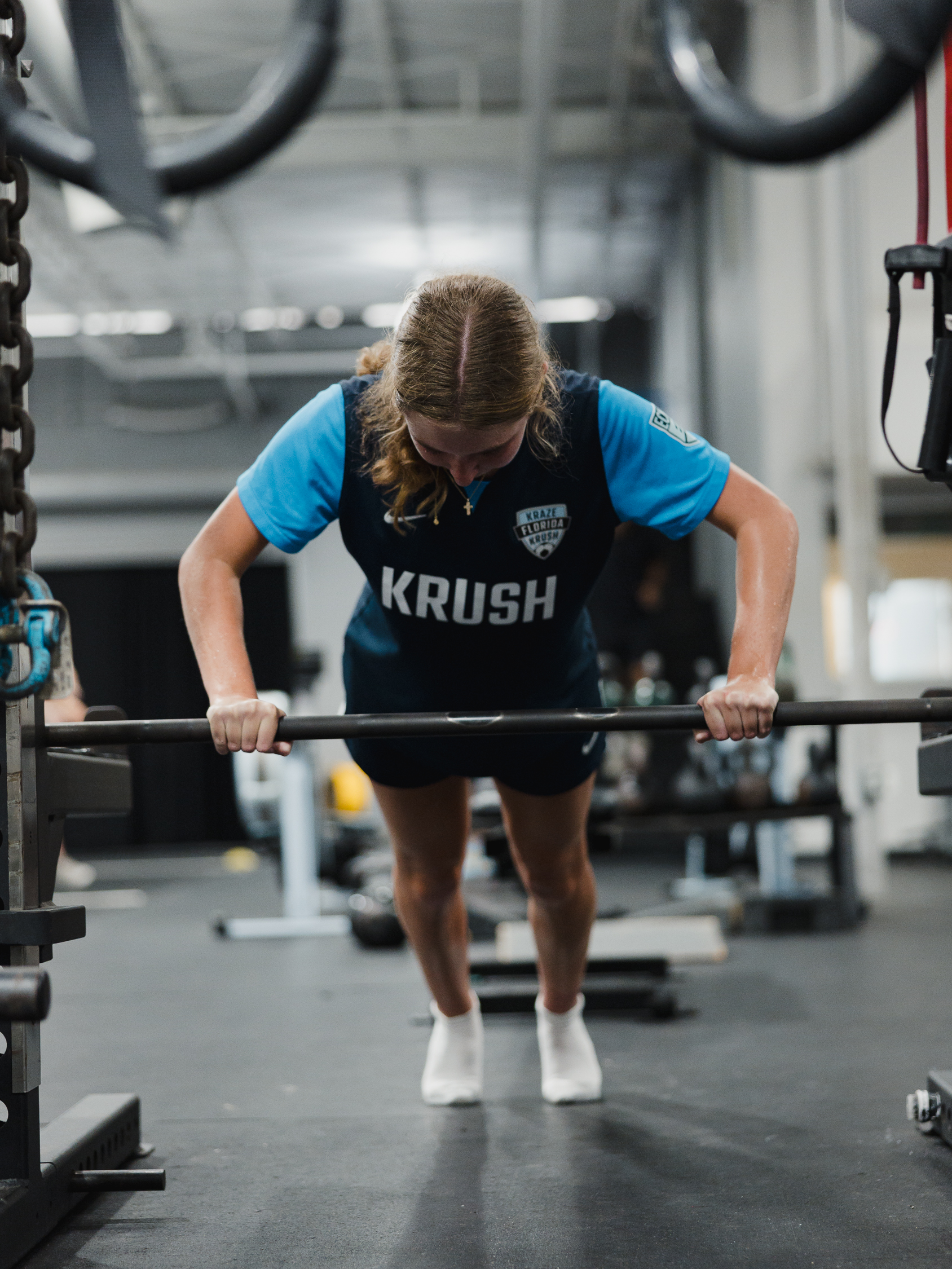
Speed is one of the most valuable qualities in soccer — and it is built on force production.
Acceleration, first-step quickness, and sprint repeatability all depend on how efficiently an athlete can apply force into the ground.
Strength training:
- Improves power-to-bodyweight ratio
- Enhances acceleration mechanics
- Supports repeated high-speed efforts
Without strength, speed development is limited and inconsistent.
Strength Improves Change of Direction and Agility
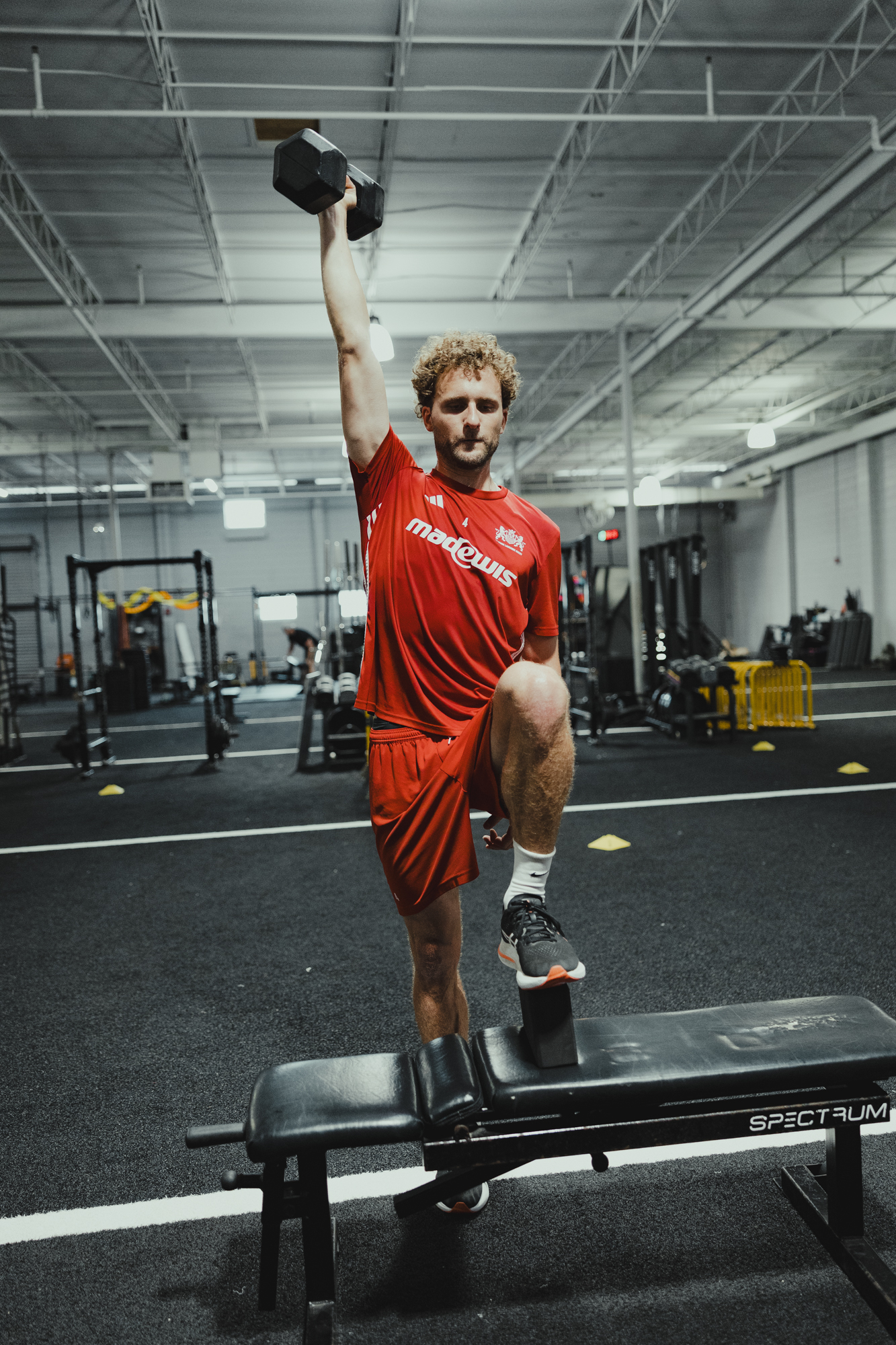
Soccer is rarely played in straight lines.
Players must constantly:
- Decelerate
- Change direction
- Re-accelerate
- React under fatigue
These movements place high loads on the knees, hips, and ankles.
Strength training — particularly when it includes deceleration and unilateral work — improves an athlete’s ability to stop safely and change direction efficiently, reducing stress on vulnerable joints.
Strength Training Supports Endurance and Late-Game Performance
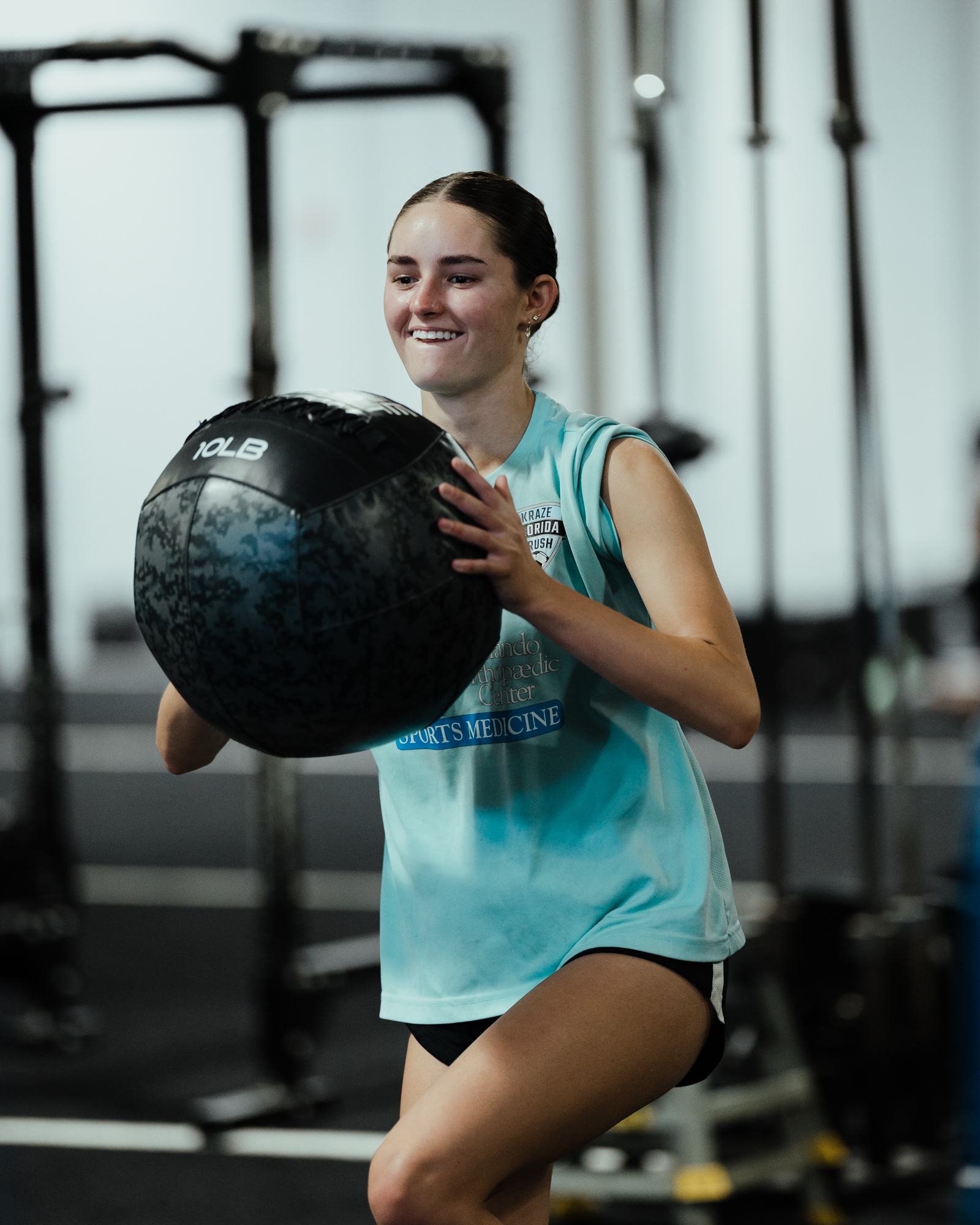
Fatigue doesn’t just reduce effort — it degrades mechanics.
As athletes tire, they often:
- Lose posture
- Rely on inefficient movement patterns
- Increase injury risk
Stronger athletes maintain movement quality longer into matches, helping them:
- Sustain sprint ability
- Stay effective late in games
- Reduce breakdown under fatigue
Strength improves endurance by making every movement more efficient.
Strength Training Does NOT Mean Bulking Up
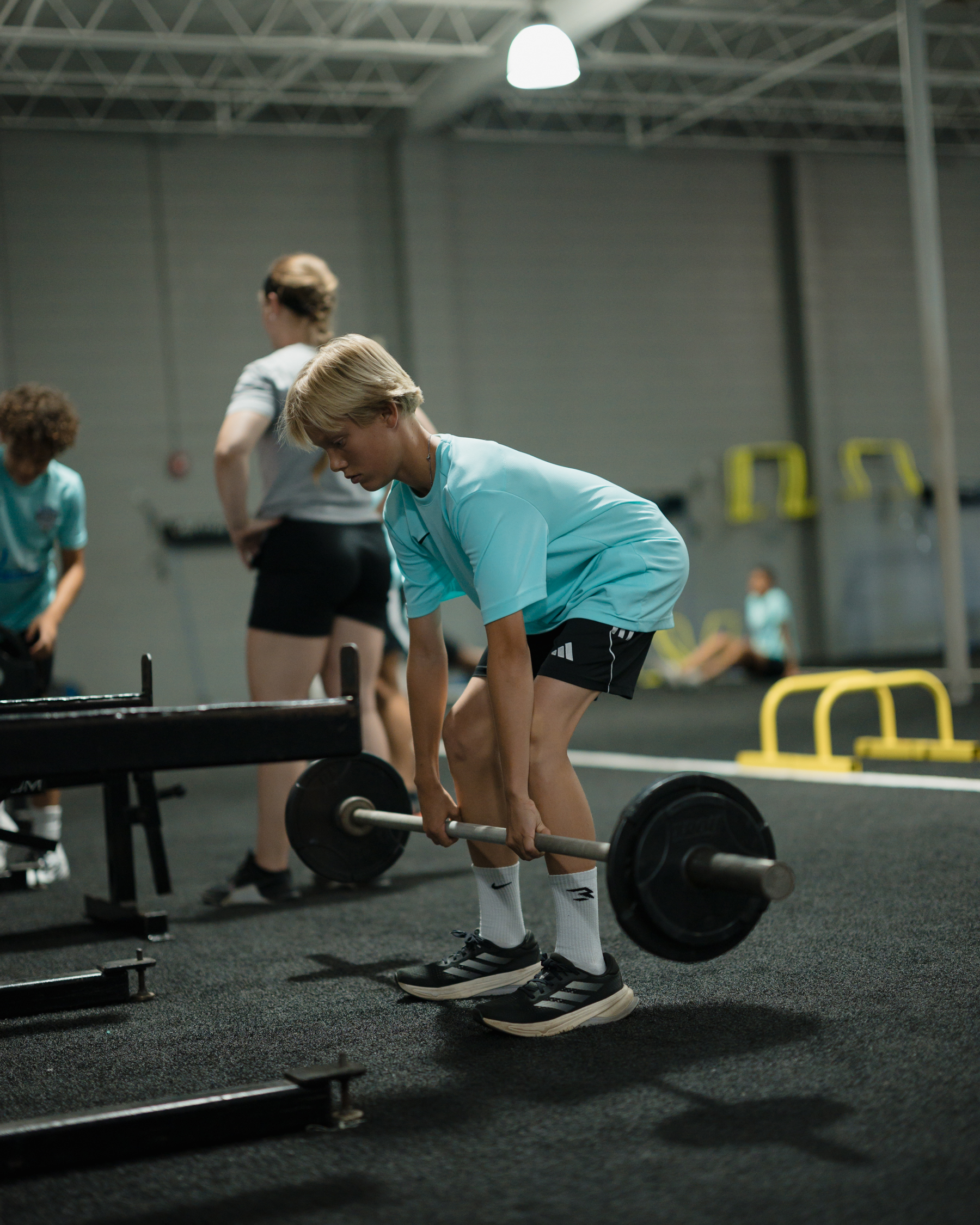
One of the most common concerns among parents and players is that strength training will make athletes too heavy or slow.
When programmed appropriately for soccer players, strength training:
- Emphasizes movement quality
- Builds lean, functional muscle
- Improves coordination and control
The goal is not mass — it is capacity, efficiency, and durability.
Teaching Movement Early Builds Better Athletes
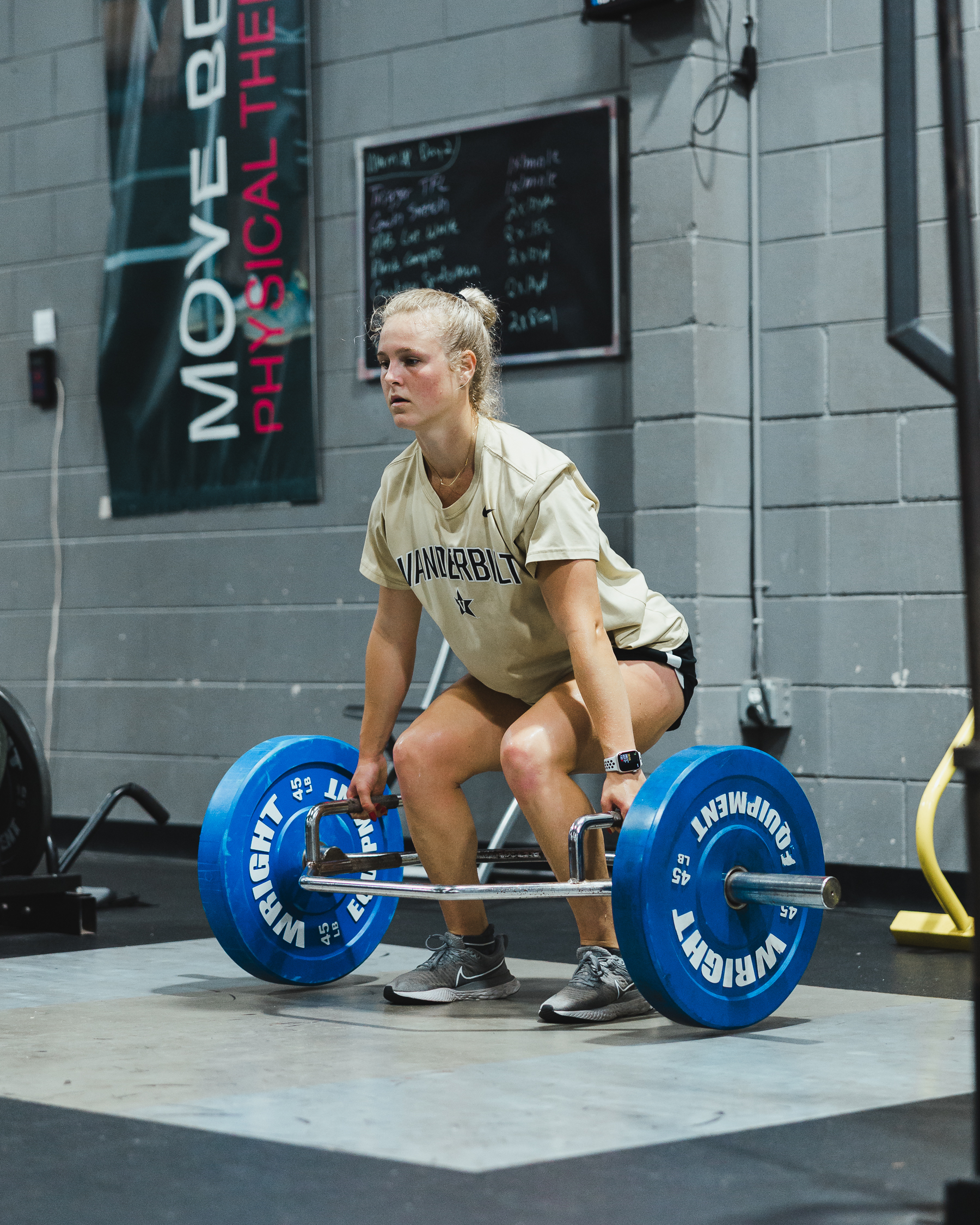
High school is the ideal time to teach:
- Proper squatting and hinging
- Single-leg strength and balance
- Core stability and posture
- Landing and deceleration mechanics
These skills support soccer performance now and reduce injury risk later in athletic careers.
Athletes who learn to move well early have a significant advantage as training loads increase.
How Strength Training Should Look for Soccer Players
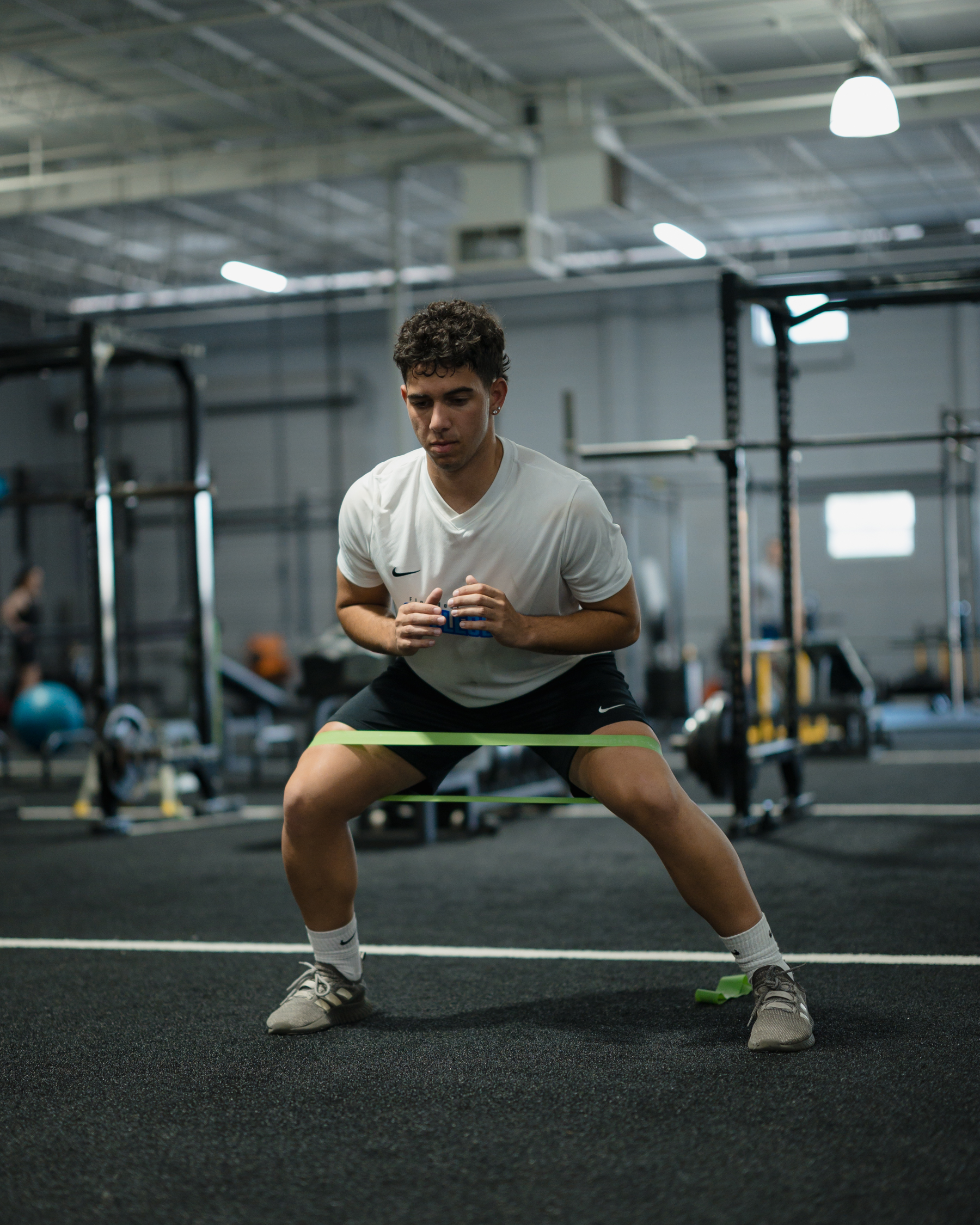
Effective strength training for high school soccer players should be:
- Age-appropriate and progressive
- Technique-driven
- Balanced between bilateral and unilateral work
- Integrated with speed, agility, and conditioning
Strength training should support the sport — not compete with it.
Final Thoughts
Soccer performance is not built on endurance alone.
Strength training gives high school soccer players the tools to:
- Move faster
- Change direction more efficiently
- Stay healthier
- Perform consistently throughout long seasons
When implemented correctly, strength training doesn’t take away from soccer — it amplifies it.
For high school–aged players, strength training is not about lifting heavy. It is about building a foundation that supports performance today and development for the future.
Leave a Reply