



Why Strength Training Is the #1 Predictor of Long-Term Health
When people think about health, they often default to cardio, dieting, or weight loss. While all of those can play a role, decades of research and real-world outcomes point to one factor that consistently stands above the rest when it comes to long-term health, independence, and quality of life:
Strength training.
Not aesthetics. Not max lifts. Not bodybuilding.
Strength — the ability to produce and control force — is one of the strongest predictors of how well you will move, function, and live as you age.
Strength Is More Than Muscle — It’s Capacity
Strength training builds more than muscle mass. It builds capacity.
Capacity to:
- Stand up from the floor
- Carry groceries
- Climb stairs
- Absorb a fall
- Protect joints and bones
- Stay independent later in life
Loss of strength is one of the earliest and most impactful markers of aging. The faster strength declines, the faster quality of life tends to decline with it.
Muscle Mass and Mortality: The Data Is Clear
Numerous studies show a strong relationship between muscular strength and reduced risk of:
- All-cause mortality
- Cardiovascular disease
- Type 2 diabetes
- Certain cancers
Grip strength alone — a simple proxy for overall strength — has been shown to predict mortality risk more accurately than blood pressure in some populations.
This doesn’t mean grip strength itself is magical. It reflects overall muscular and neurological health.
Strength Protects Bone Density and Prevents Falls
As we age, bone density naturally declines. Without resistance training, this process accelerates.
Strength training:
- Stimulates bone remodeling
- Increases bone mineral density
- Improves joint integrity
- Enhances balance and coordination
Falls are one of the leading causes of injury and loss of independence in adults. Stronger muscles and bones dramatically reduce both the risk of falling and the severity of injury if a fall occurs.
Strength Training Improves Metabolic Health
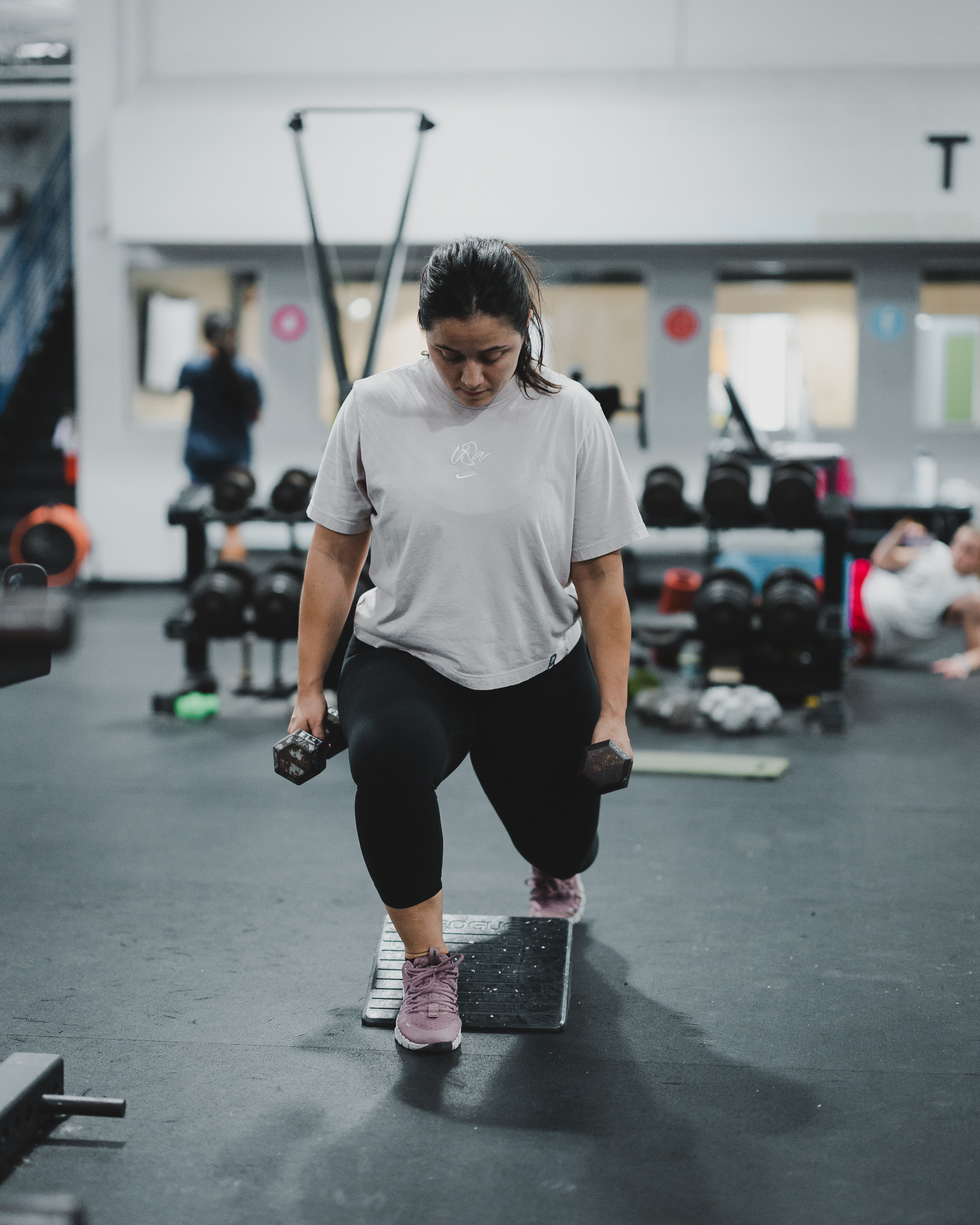
Muscle is one of the body’s most powerful metabolic organs.
More lean muscle mass means:
- Better blood sugar regulation
- Improved insulin sensitivity
- Higher resting metabolic rate
- Greater metabolic flexibility
This is why strength training plays a critical role in preventing and managing metabolic diseases — even without dramatic weight loss.
Cardio Is Important — But It’s Not Enough
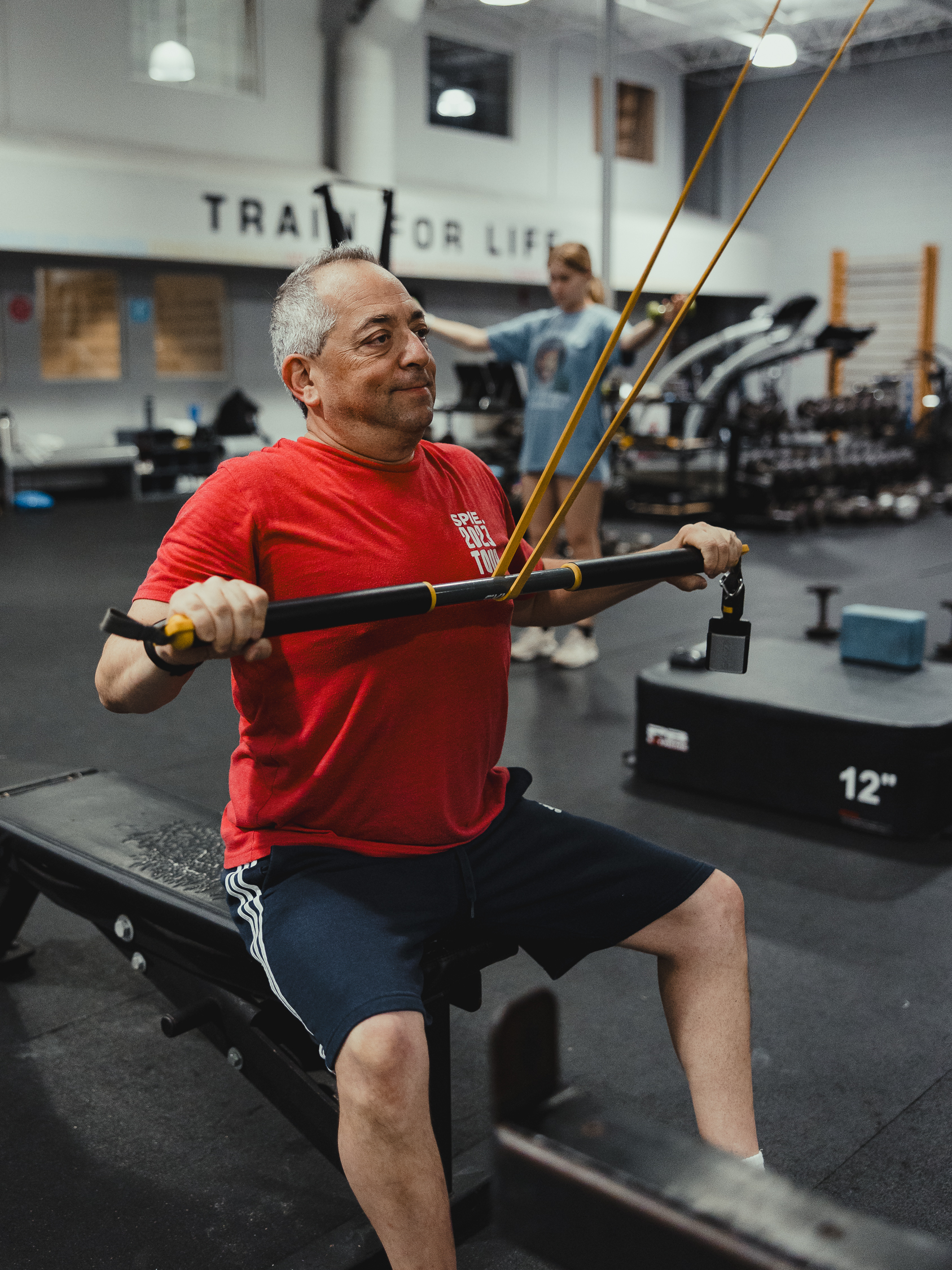
Cardiovascular fitness supports heart and lung health, but it does not adequately address:
- Muscle loss
- Bone density decline
- Joint stability
- Functional strength
In fact, relying solely on cardio can sometimes accelerate muscle loss if not paired with resistance training.
Strength training doesn’t replace cardio — it completes it.
Strength Preserves Movement Quality and Pain-Free Living
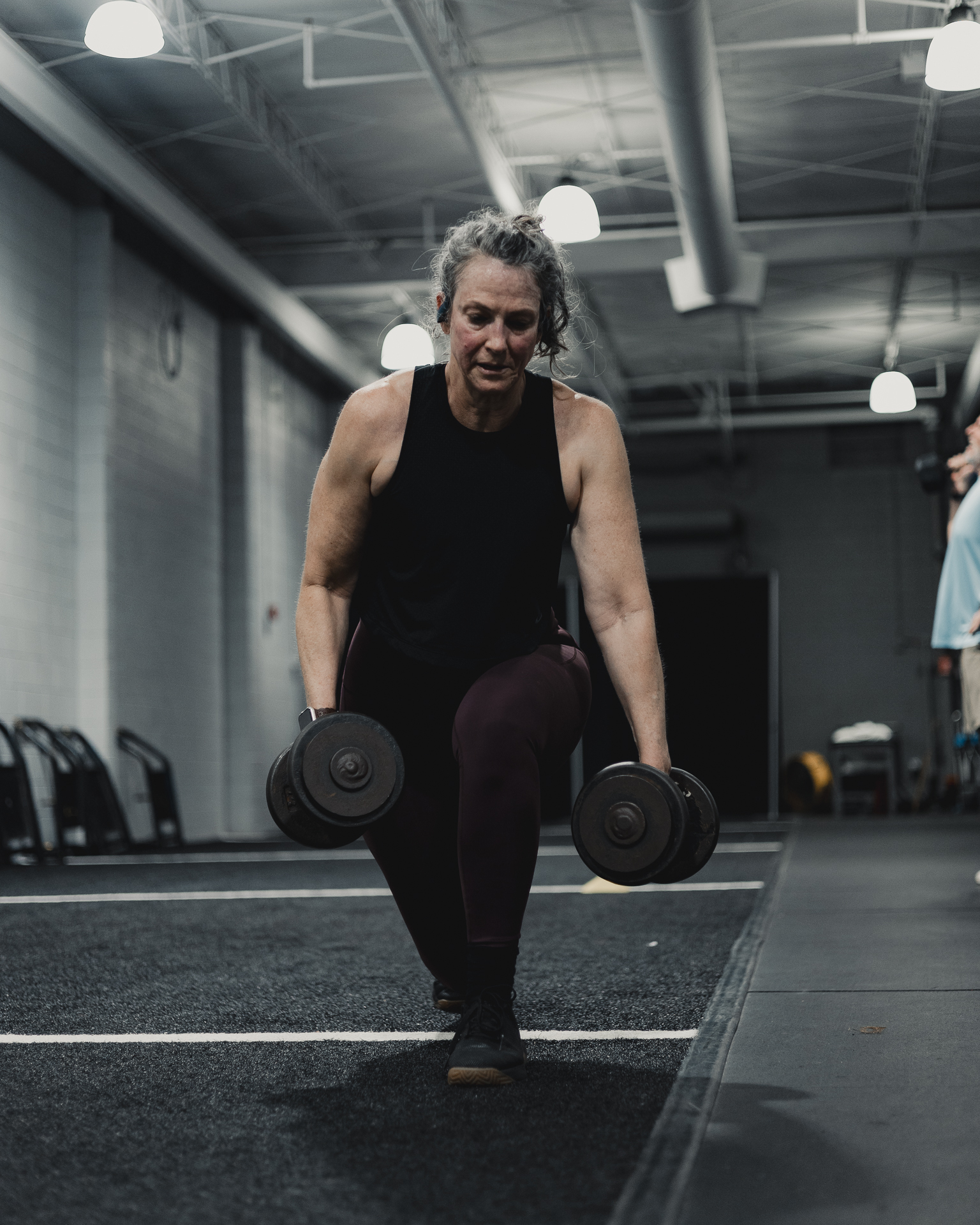
Chronic pain is often less about damage and more about capacity mismatch — asking tissues to do more than they are prepared for.
Strength training:
- Improves joint tolerance
- Enhances tissue resilience
- Builds confidence in movement
This leads to less pain, better posture, and greater freedom to move throughout daily life.
Strength Training Supports Brain Health and Longevity
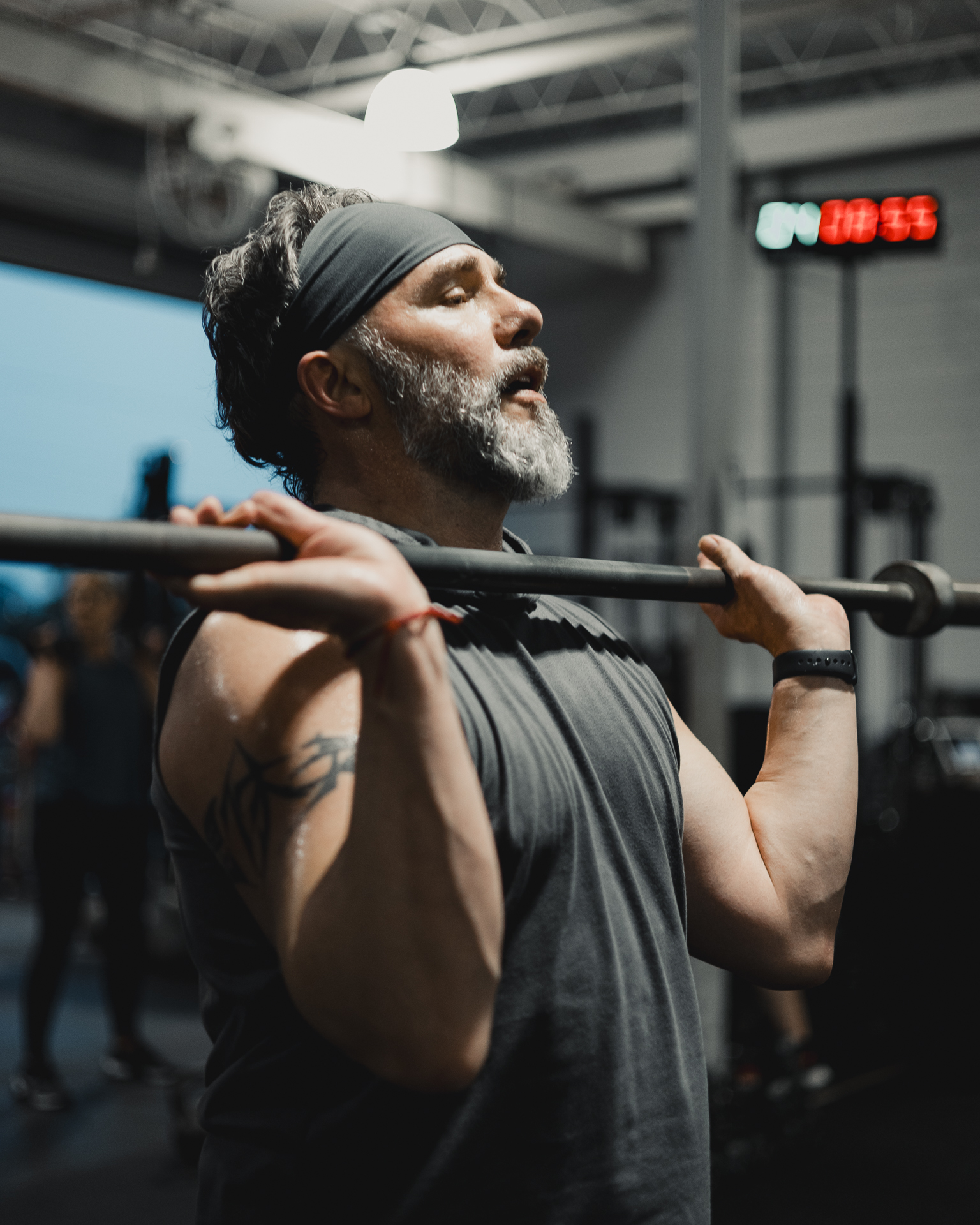
The benefits of strength training extend beyond the musculoskeletal system.
Research links resistance training to:
- Improved cognitive function
- Reduced risk of neurodegenerative disease
- Better mood and mental health
- Enhanced stress resilience
The brain thrives on challenge, coordination, and progressive overload — all of which are inherent in well-designed strength training programs.
It’s Never About Lifting Heavy — It’s About Training Smart
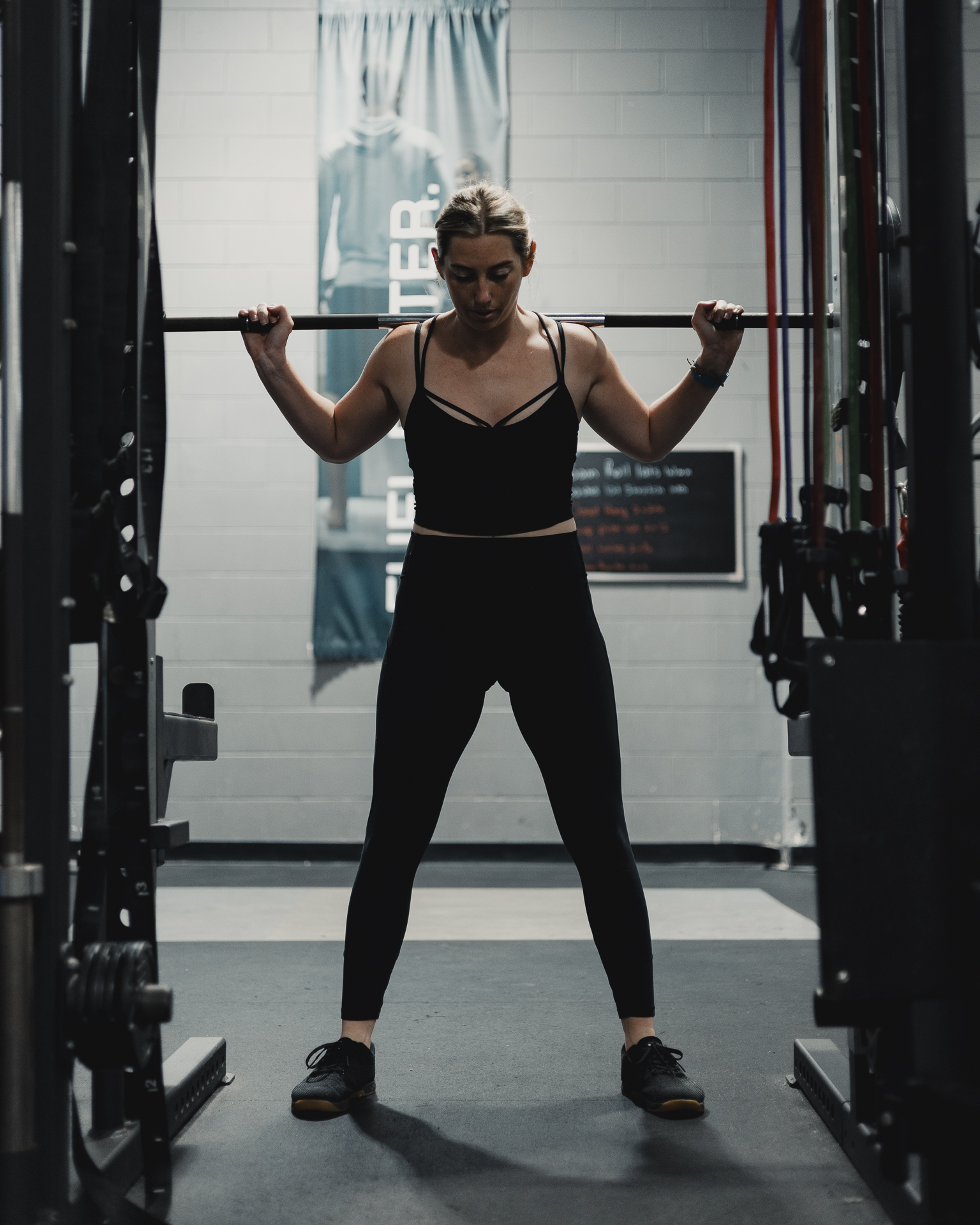
Strength training for health does not mean maxing out or training like an athlete.
Effective programs emphasize:
- Proper technique
- Progressive loading
- Full ranges of motion
- Recovery and sustainability
Consistency over years matters far more than intensity over weeks.
Strength Is the Foundation of Aging Well

The goal of training shouldn’t be just to live longer — it should be to live better.
Strength training supports:
- Independence
- Confidence
- Resilience
- Longevity
It allows people to continue doing what they love, on their terms, for as long as possible.
Final Thoughts
Strength training is not optional for long-term health — it is foundational.
It predicts how well you will move, how resilient your body will be, and how independent you will remain as you age. No other single intervention impacts as many systems at once.
Strong bodies age better.
And strength, when built correctly, lasts.
Leave a Reply