



Preseason Is Not a Punishment: A Smarter Approach to Preparing Athletes for the Season
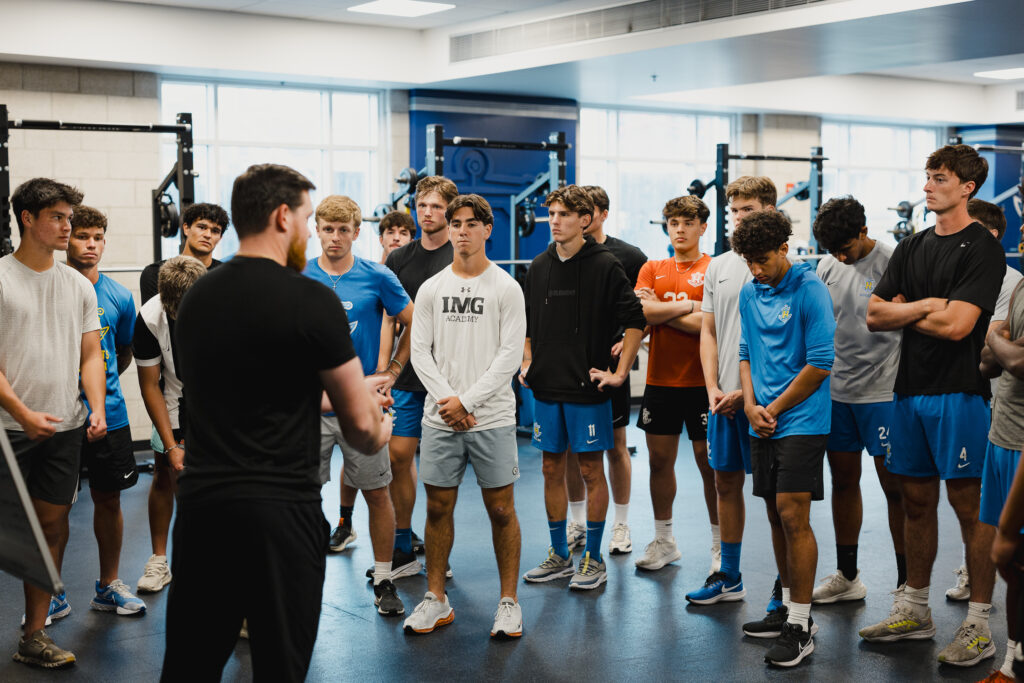
As the school year begins, so does one of the busiest times on the athletic calendar.
Football teams report for preseason camp. Volleyball, soccer, swimming, cross country, and other fall sports begin daily practices. Club programs are back on the field, court, and in the pool. Coaches are evaluating lineups, installing systems, and preparing for opening day.
For many coaches, preseason feels like a race against the clock. There is a limited window to teach systems, build conditioning, establish team culture, and determine roles before competition begins.
Because of that urgency, preseason often becomes the hardest training block of the entire year.
But should it?
If your athletes have spent the summer following a well-designed offseason program, preseason shouldn’t be about trying to “get them in shape.”
It should be about preparing them to perform.
The best coaches understand that preseason isn’t about seeing how much work athletes can survive. It’s about applying the work they’ve already completed and preparing them for a long, successful season.
The Summer Should Have Built the Engine
Ideally, athletes enter preseason after several months of structured development.
The offseason is where athletes improve their:
- Strength
- Speed
- Power
- Movement quality
- Work capacity
- Injury resilience
These physical qualities take weeks and months to develop.
They cannot be built in two weeks of preseason.
If an athlete arrives out of shape, preseason isn’t long enough to completely fix it.
Likewise, if an athlete arrives well prepared, coaches shouldn’t unintentionally undo months of progress through excessive volume and fatigue.
Preseason Has a Different Purpose
The objective of preseason is different from the objective of the offseason.
During the offseason, coaches and performance professionals focus on physical development.
During preseason, the priorities shift toward:
- Teaching systems
- Building team chemistry
- Refining technical skills
- Developing tactical awareness
- Preparing athletes for competition
Physical preparation still matters, but it should support these goals—not compete with them.
More Isn’t Always Better
One of the biggest misconceptions in sports is that harder practices automatically produce better teams.
In reality, excessive preseason volume often creates:
- Unnecessary fatigue
- Declining movement quality
- Increased injury risk
- Poor learning
- Reduced practice intensity
Fatigue changes how athletes move.
It slows reaction time.
It decreases power output.
It limits decision-making.
And perhaps most importantly, it reduces the quality of practice.
Great teams aren’t built through exhausted repetitions.
They’re built through quality repetitions.
Remember: Athletes Are Already Accumulating Load
Today’s athletes rarely play just one sport.
Many enter preseason after months of:
- Club competitions
- Summer tournaments
- Strength training
- Speed sessions
- Camps
- Showcases
They aren’t starting from zero.
They’re arriving with an existing training load.
Coaches who recognize this can make better decisions about practice volume and recovery.
Conditioning Should Have a Purpose
Conditioning has become one of the most debated topics in youth sports.
Conditioning should never be used as punishment.
It should prepare athletes for the demands of competition.
The best conditioning closely resembles the sport itself.
Instead of endless laps or excessive punishment running, consider:
- Small-sided games
- Position-specific movement
- Competitive drills
- Repeated sprint work
- Sport-specific intervals
When conditioning mirrors competition, athletes become fitter while simultaneously improving skill execution and decision-making.
Don’t Neglect Strength During Preseason
One of the biggest mistakes teams make is eliminating strength training once practices begin.
Strength isn’t just an offseason quality.
It’s a season-long necessity.
Research consistently shows that athletes can maintain strength with as few as one to two quality lifting sessions each week.
Maintaining strength helps preserve:
- Speed
- Power
- Jump performance
- Change of direction ability
- Injury resilience
The goal shifts from building strength to maintaining the qualities developed over the summer.
Recovery Is Part of Coaching
Recovery is often viewed as something athletes do on their own.
In reality, recovery is part of the training plan.
Coaches should intentionally build recovery into preseason by encouraging:
- Sleep
- Hydration
- Proper nutrition
- Mobility
- Active recovery
- Appropriate practice progression
The athletes who recover the best are often the ones who improve the most.
Think Beyond the First Game
It’s easy to prepare athletes for Week One.
The challenge is preparing them for Week Ten.
A successful preseason shouldn’t leave athletes exhausted before the season even begins.
Instead, athletes should enter opening day feeling:
- Healthy
- Confident
- Strong
- Explosive
- Motivated
The goal isn’t to “win preseason.”
The goal is to perform throughout the entire season.
A Strategic Preseason Wins in October—Not Just August
The best coaches understand that every practice should have a purpose.
Every drill should reinforce the demands of competition.
Every conditioning session should support performance—not simply create fatigue.
Athletes who invested in the offseason deserve a preseason that builds on that foundation, not one that breaks it down.
A strategic preseason respects the work already completed, manages training load wisely, emphasizes quality over quantity, and prepares athletes for sustained success.
Because championships aren’t won by the team that worked the hardest in August.
They’re won by the team that is still healthy, explosive, and improving when the games matter most.
Final Thoughts
At SPECTRUM Performance, we believe preseason is the bridge between offseason development and in-season performance. Coaches who balance training load, prioritize movement quality, maintain strength, and plan with the long season in mind give their athletes the greatest opportunity to succeed.
The objective isn’t simply to survive preseason.
It’s to build a team that is ready to perform from the first whistle to the final game of the season.
Leave a Reply