



Why Early Specialization is Often a Mistake
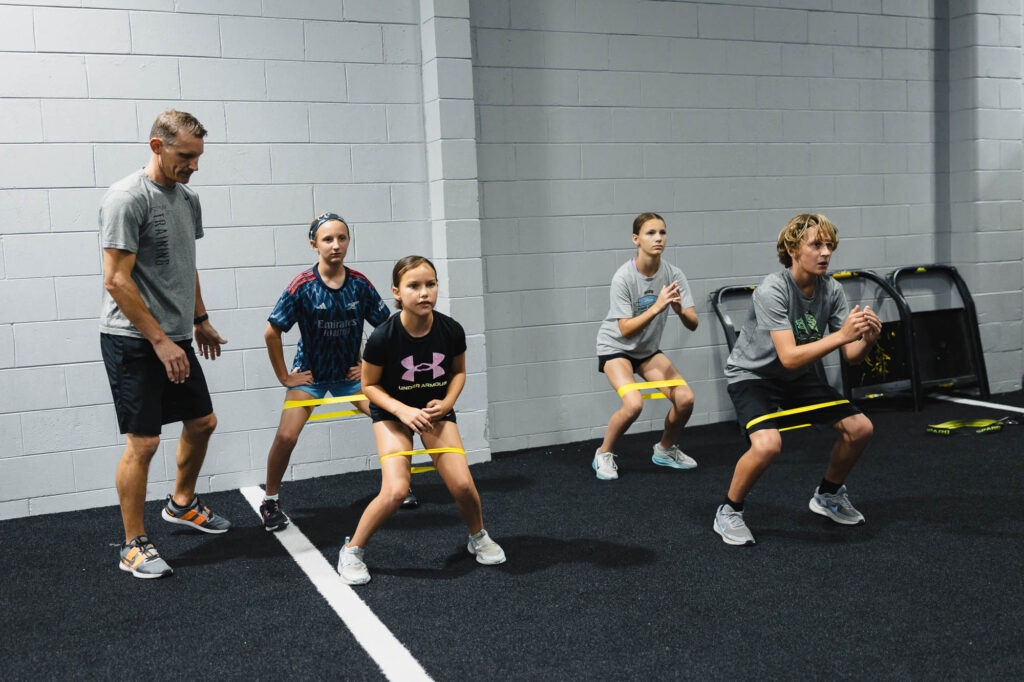
In today’s youth sports landscape, athletes are being asked to make decisions earlier than ever before.
Parents are told their child needs to pick a sport. Coaches encourage year-round participation. Club schedules continue to expand. Private lessons, travel teams, showcases, and specialized training have become the norm.
The message often sounds something like this:
“If you want to be great, you need to focus on one sport as early as possible.”
While that may sound logical, research and real-world experience tell a different story.
In fact, for the vast majority of young athletes, early specialization is often one of the biggest mistakes they can make.
What Is Early Specialization?
Early specialization occurs when an athlete:
- Focuses on a single sport at a young age
- Trains and competes in that sport year-round
- Excludes participation in other sports and activities
- Prioritizes sport-specific skill development over overall athletic development
This trend has become increasingly common in youth sports, especially in soccer, baseball, volleyball, gymnastics, tennis, and basketball.
The belief is that more hours in one sport will lead to greater success.
But athletic development is rarely that simple.
The Myth of the 10,000-Hour Rule
One reason early specialization became popular is the misunderstanding of the famous “10,000-hour rule.”
Many interpreted this concept to mean:
The earlier you start specializing, the better you’ll become.
However, research on elite athletes consistently shows that many of the world’s best performers participated in multiple sports throughout their youth.
They developed broad athletic skills before narrowing their focus later in adolescence.
In other words:
Elite athletes often become specialists eventually.
They simply don’t become specialists early.
Athleticism Comes First
Before athletes become soccer players, baseball players, or volleyball players, they are athletes.
The foundation of athletic success includes:
- Running
- Jumping
- Landing
- Throwing
- Catching
- Changing direction
- Coordinating movement
- Developing body control
These skills are developed through exposure to a variety of sports and activities.
Different sports challenge the body in different ways.
A soccer player may learn spatial awareness and endurance.
A basketball player develops jumping and reactive skills.
A baseball player improves rotational power and hand-eye coordination.
A swimmer builds work capacity and body awareness.
Together, these experiences create a more complete athlete.
The Injury Problem
One of the greatest concerns surrounding early specialization is injury risk.
Year-round participation in a single sport often means repetitive stress on the same tissues and movement patterns.
Examples include:
- Pitching year-round in baseball
- Repetitive jumping in volleyball
- Constant running and cutting in soccer
- Repeated overhead motions in tennis
Without periods of variation, recovery, and movement diversity, the risk of overuse injuries increases significantly.
Common issues include:
- Tendon injuries
- Stress fractures
- Growth plate injuries
- Chronic pain
- Burnout-related breakdowns
Simply put:
The body was designed to move in many ways, not the same way every day.
Burnout Is Real
Physical injuries aren’t the only concern.
Mental and emotional burnout have become increasingly common among young athletes.
When children spend every month of the year focused on one sport, several things can happen:
- Training becomes a job
- Enjoyment decreases
- Pressure increases
- Motivation declines
Many athletes who once loved their sport eventually walk away from it entirely.
Ironically, the pursuit of long-term success often shortens athletic careers.
What College Coaches Actually Want
Many parents fear that playing multiple sports will hurt recruiting opportunities.
In reality, many college coaches appreciate multi-sport athletes.
Why?
Because they often possess:
- Better athleticism
- Greater adaptability
- Higher movement competency
- Lower injury histories
- More competitive experiences
College coaches frequently tell us they can teach sport-specific skills.
Developing athleticism is much harder.
A fast, explosive, coordinated athlete is often more attractive than a highly specialized athlete with physical limitations.
The Long-Term Athletic Development Model
At SPECTRUM, we believe in Long-Term Athletic Development (LTAD).
This model recognizes that athletic development occurs in stages.
Early Years
Focus on:
- Fun
- Movement exploration
- Coordination
- Speed fundamentals
- General athletic skills
Middle School Years
Focus on:
- Building athletic foundations
- Learning movement patterns
- Developing strength safely
- Participating in multiple sports
High School Years
Focus shifts toward:
- Increased performance training
- Greater sport specificity
- Strength and power development
- Preparing for higher levels of competition
As athletes mature, specialization can become more appropriate.
The key is allowing athleticism to develop first.
Exceptions to the Rule
There are sports where earlier specialization may be more common or necessary.
Examples include:
- Gymnastics
- Figure skating
- Diving
These sports often peak at younger ages and require highly technical skills.
However, these represent the exception, not the rule.
For most field, court, and team sports, broad athletic development remains the superior long-term strategy.
What Parents Should Do
Rather than asking:
“What sport should my child specialize in?”
Ask:
“How can my child become a better athlete?”
Encourage:
✅ Multiple sports
✅ Free play
✅ Strength and movement training
✅ Recovery
✅ Long-term development
✅ Enjoyment of the process
The goal should not be creating the best 12-year-old athlete.
The goal should be creating the best 18-year-old athlete.
The Role of Sports Performance Training
Sports performance training provides a unique advantage because it develops athletic qualities that transfer across all sports.
Rather than specializing in a single sport, athletes improve:
- Speed
- Strength
- Power
- Coordination
- Mobility
- Stability
- Injury resilience
These qualities help athletes perform better regardless of which sport they choose.
Athleticism is never wasted.
Final Thoughts
The pressure to specialize early has never been greater.
But the evidence continues to point in a different direction.
The most successful athletes are often those who spend their youth building a broad foundation of athleticism before narrowing their focus later.
Early specialization may create short-term success.
Long-term athletic development creates long-term success.
At SPECTRUM, our mission is not simply to develop better soccer players, baseball players, basketball players, or volleyball players.
Our mission is to develop better athletes.
Because athleticism is the foundation upon which every sport is built.
Leave a Reply