



What College Coaches Want to See: Why Summer Training Gives Athletes a Competitive Edge
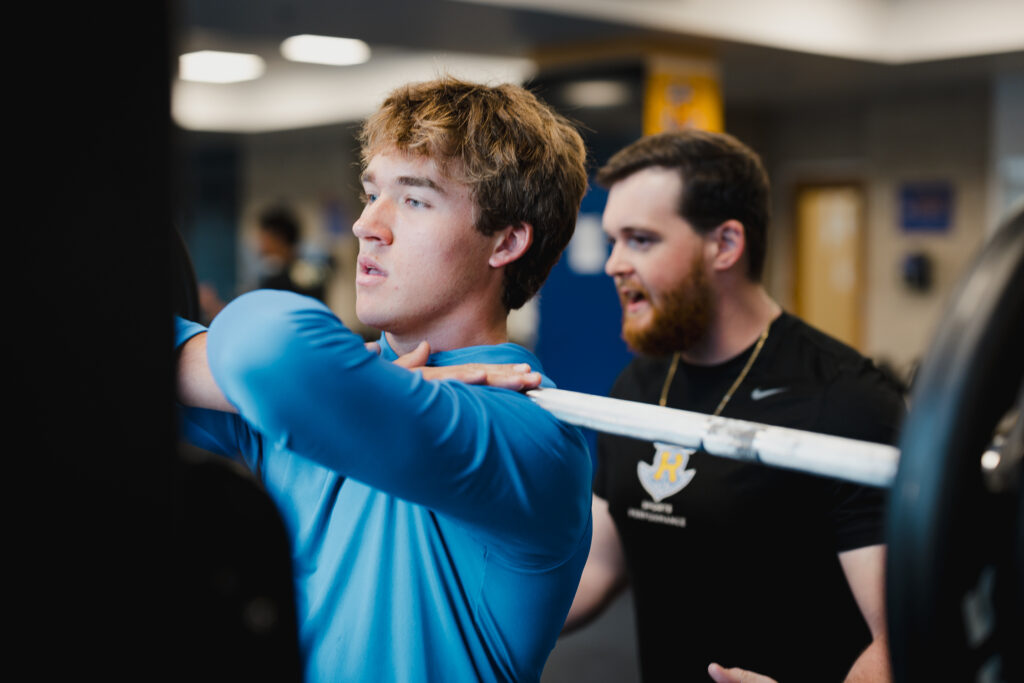
For high school athletes with aspirations of playing at the next level, one question comes up constantly:
“What are college coaches really looking for?”
While skill and game performance matter, college coaches consistently prioritize something deeper—physical readiness, consistency, and the ability to handle the demands of their program.
And one of the clearest indicators of those qualities?
How an athlete uses their summer.
College Coaches Evaluate More Than Skill
At the high school level, many athletes can stand out based on skill alone. But at the collegiate level, the game changes.
Coaches are evaluating:
- Physical development
- Movement quality
- Speed and explosiveness
- Durability and injury history
- Work ethic and consistency
Because once an athlete arrives on campus, they must be able to:
- Train at a high level
- Recover effectively
- Compete physically with older, stronger athletes
Summer training plays a major role in building those qualities.
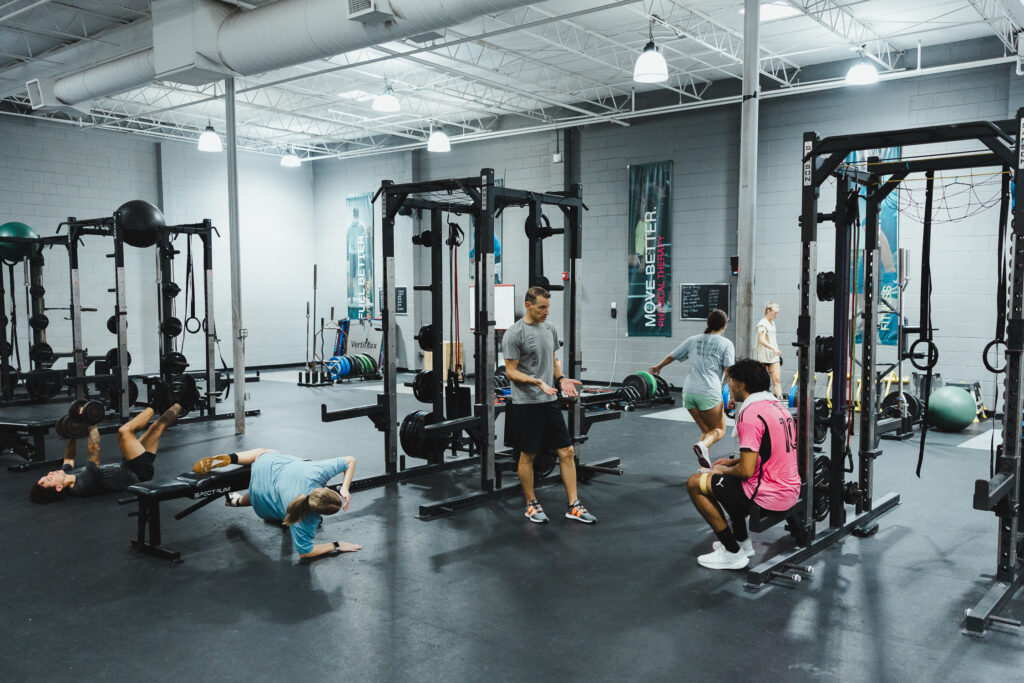
Summer Shows Commitment
Every athlete says they want to improve.
Summer reveals who is actually willing to do the work.
College coaches understand that:
- There are fewer structured obligations
- Athletes have more control over their schedules
- Training becomes a personal responsibility
Athletes who train consistently during the summer demonstrate:
- Discipline
- Accountability
- Intrinsic motivation
These traits often matter just as much as talent.
Physical Development Separates Athletes
One of the biggest gaps between high school and college athletes is physical readiness.
Summer provides the opportunity to:
- Build strength
- Improve speed and acceleration
- Develop power and explosiveness
- Increase overall durability
Athletes who invest in these areas:
- Move better
- Perform more consistently
- Stand out more clearly during evaluations
When coaches see athletes who are physically prepared, it signals that they are ready for the next level.
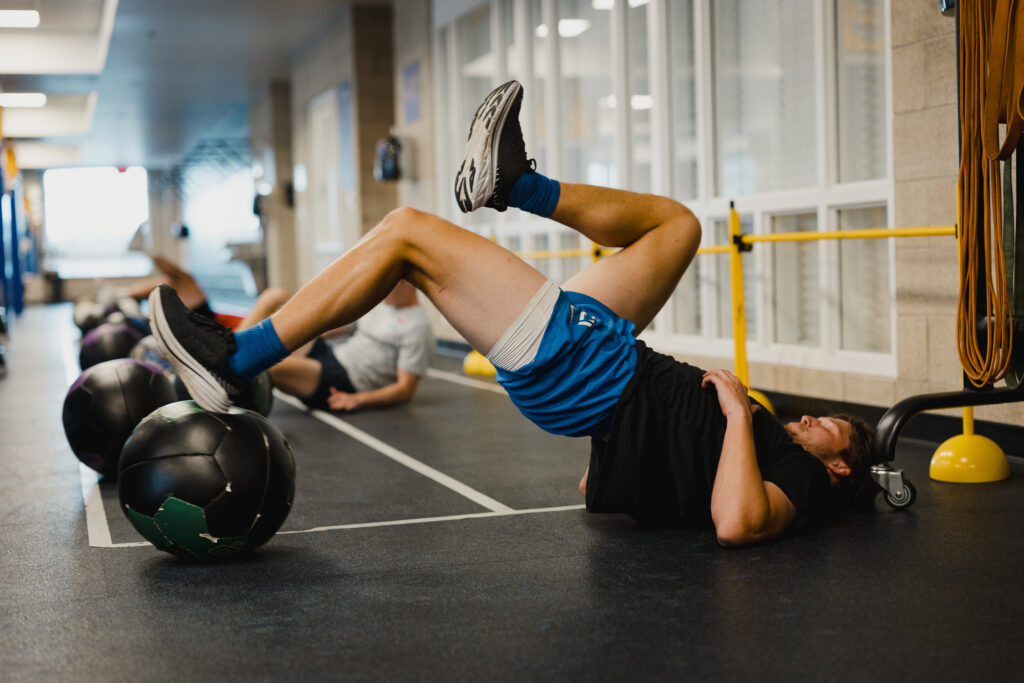
Speed and Athleticism Are Highly Valued
Across nearly every sport, speed is one of the most valued attributes.
College coaches are looking for athletes who:
- Accelerate quickly
- Change direction efficiently
- Cover ground effectively
- Move with control and coordination
Summer is the ideal time to develop these qualities because athletes are not limited by in-season fatigue.
Improving speed—even slightly—can dramatically impact how an athlete is perceived.
Strength Indicates Readiness
Strength is one of the clearest indicators of an athlete’s ability to handle a college program.
Coaches want to know:
- Can this athlete handle the weight room?
- Can they produce force and stay durable?
- Will they be able to keep up physically with the team?
Athletes who arrive stronger:
- Adapt more quickly
- Reduce injury risk
- Compete more effectively
Summer is when this foundation is built.
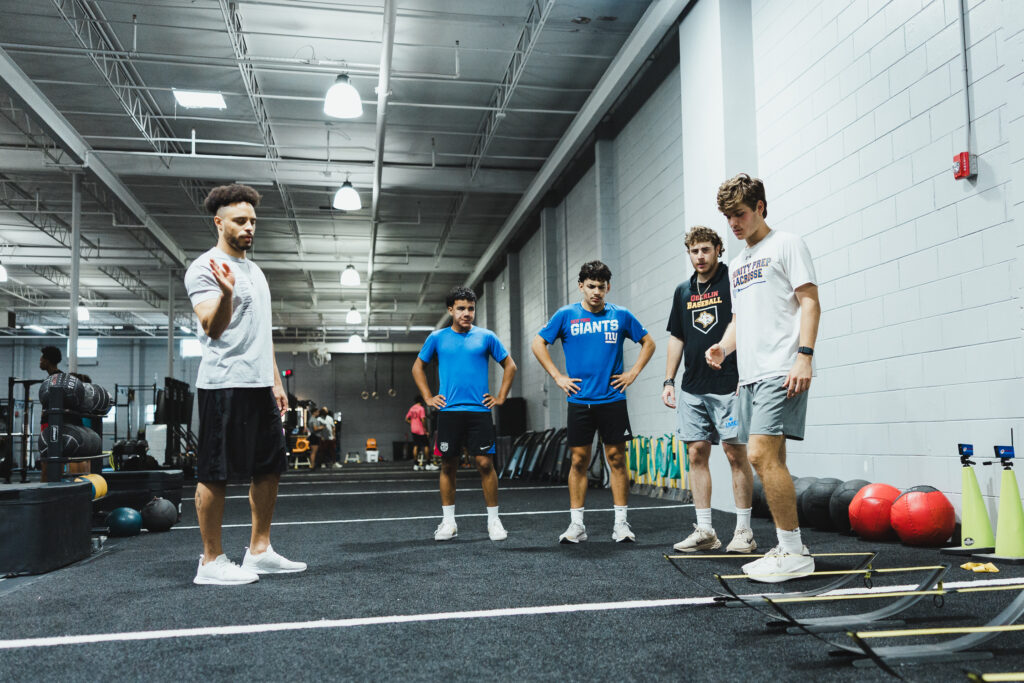
Injury History Matters
Availability is one of the most valuable traits in sport.
College coaches pay attention to:
- Injury history
- Durability
- Ability to handle training loads
Athletes who use summer to:
- Improve strength and stability
- Address weaknesses
- Build tissue capacity
Are more likely to stay healthy and available during the season.
Consistency Builds Confidence
Athletes who train consistently during the summer:
- Feel more prepared physically
- Move with greater confidence
- Perform more consistently in competition
This confidence shows up in:
- Camps
- Showcases
- Tryouts
Coaches notice athletes who look prepared and comfortable in their bodies.
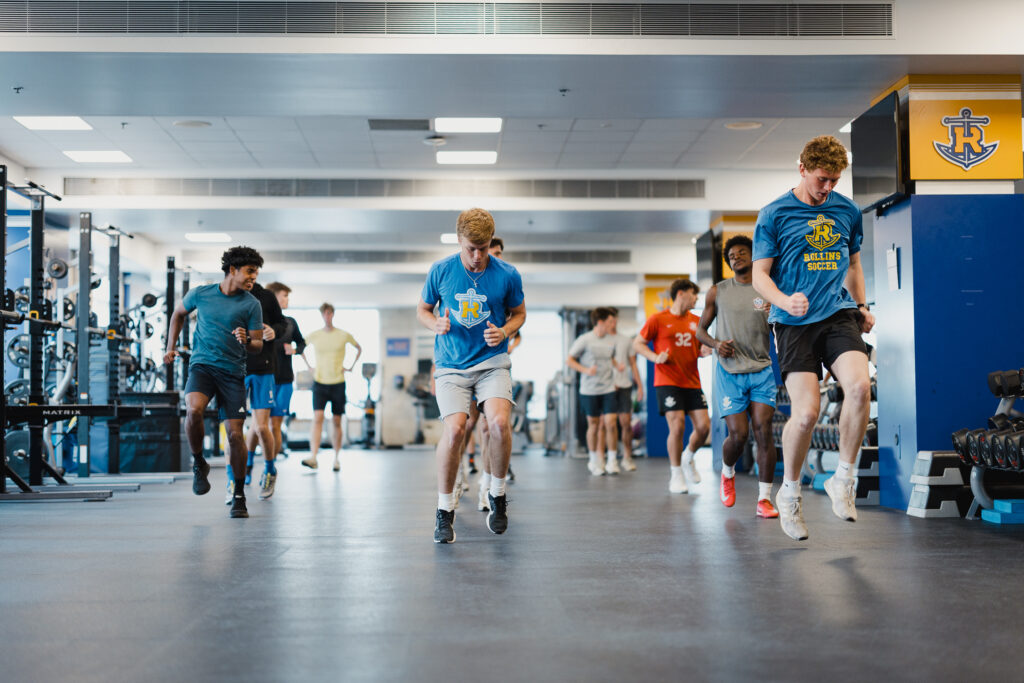
Summer Impacts Exposure Opportunities
Summer is also a key time for:
- Showcases
- Camps
- Recruiting events
Athletes who are:
- Stronger
- Faster
- More explosive
Stand out more in these environments.
Preparation directly influences opportunity.
It’s Not About Doing More—It’s About Doing It Right
Effective summer training is not about random workouts or excessive volume.
It should be:
- Structured
- Progressive
- Focused on key physical qualities
- Balanced with recovery
Athletes who follow a plan see significantly better results than those who train without direction.
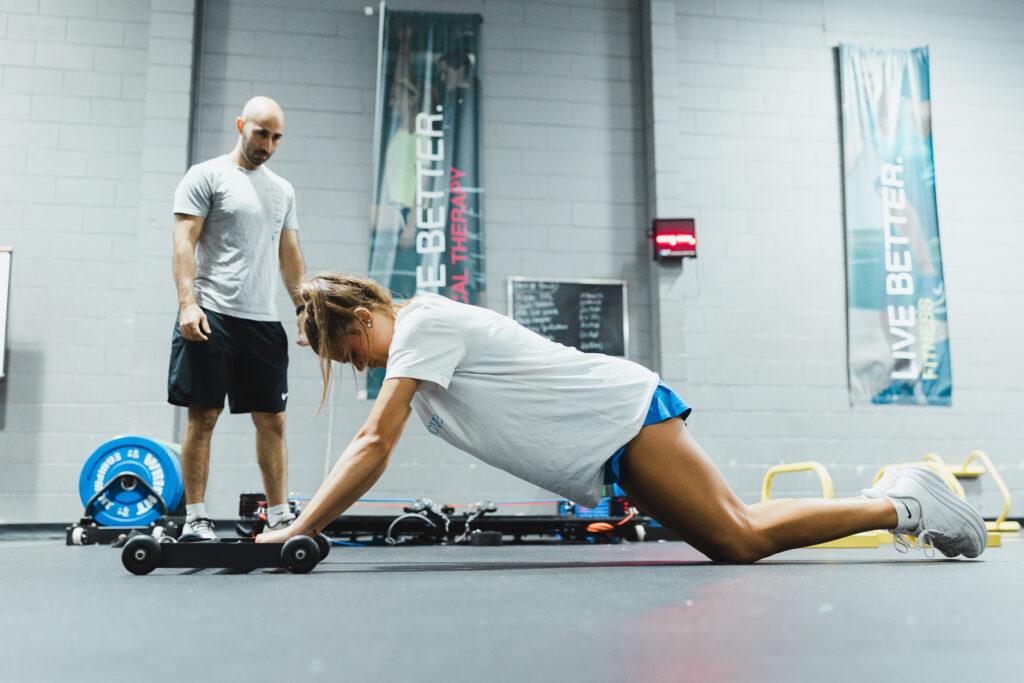
What Coaches Are Really Looking For
At the end of the day, college coaches are asking:
- Is this athlete physically prepared?
- Can they handle the demands of our program?
- Do they show consistency and discipline?
- Are they improving over time?
Summer training answers all of these questions.
Final Thoughts
Summer is more than just an opportunity to improve—it’s a chance to separate yourself.
The athletes who use this window effectively:
- Return stronger and faster
- Perform better in key evaluation moments
- Show the qualities college coaches value most
Because when coaches are deciding between athletes with similar skill levels, they often choose the one who is:
More prepared. More developed. More consistent.
Leave a Reply