



What Parents Should Know About Sports Performance Training
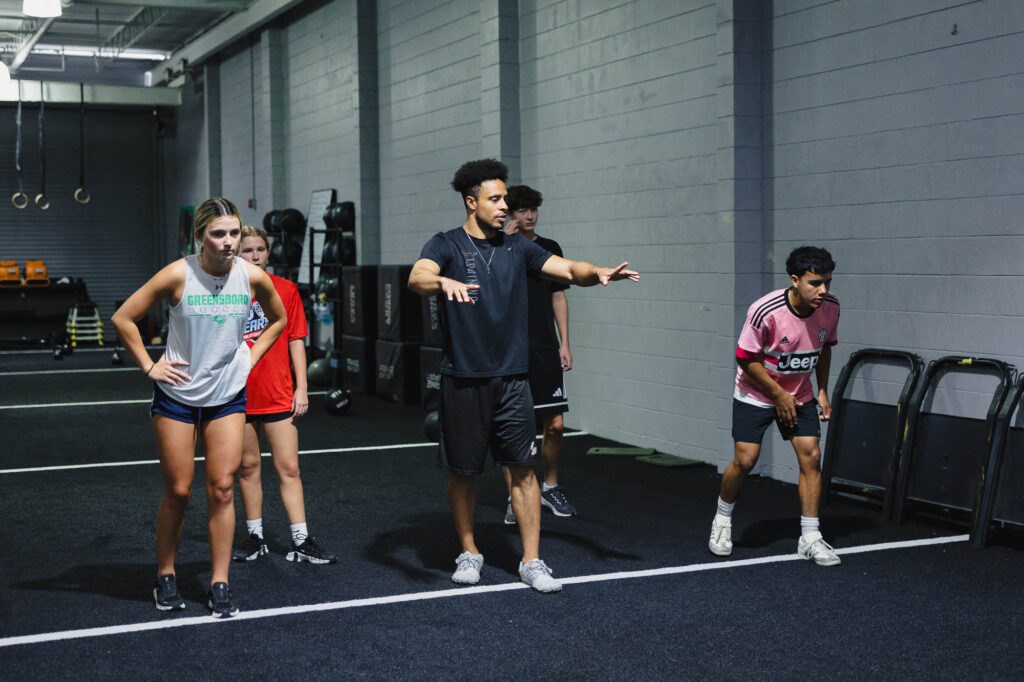
As youth sports continue to become more competitive, more parents are exploring sports performance training for their children. Speed training, strength programs, agility work, injury prevention, recovery—it can quickly become overwhelming.
And with so many facilities, programs, and opinions available, one question often comes up:
“What should parents actually be looking for?”
The reality is that quality sports performance training can have a tremendous impact on a young athlete’s:
- Confidence
- Athleticism
- Injury resistance
- Long-term development
But only when it’s done correctly.
Here’s what parents should know about sports performance training and how to identify a program that truly supports long-term athlete development.
Sports Performance Training Is More Than Just Lifting Weights
One of the biggest misconceptions is that sports performance training simply means “working out.”
In reality, a quality program should focus on:
- Movement quality
- Speed and coordination
- Strength development
- Power and explosiveness
- Injury prevention
- Recovery and durability
The goal is not to create bodybuilders.
The goal is to build better athletes.
Young Athletes Need Movement Before Intensity
For younger athletes especially, the priority should be:
- Learning how to move
- Developing coordination and balance
- Building body control and confidence
Before athletes worry about:
- Heavy lifting
- Advanced drills
- High-intensity conditioning
They must first learn:
- Proper sprint mechanics
- Landing and deceleration control
- Basic strength patterns
- Spatial awareness and coordination
A strong foundation sets the stage for long-term success.
Strength Training Is Safe When Properly Supervised
Another common concern among parents is whether strength training is safe for young athletes.
When supervised properly and progressed appropriately:
Strength training is not only safe—it’s one of the best ways to improve durability and reduce injury risk.
Research consistently shows that age-appropriate strength training can:
- Improve athletic performance
- Increase joint stability
- Strengthen connective tissues
- Reduce sports-related injuries
The key is proper coaching and progression.
Speed Development Matters More Than Ever
In today’s sports environment, speed and movement ability are major separators.
Performance training helps athletes improve:
- Acceleration
- Coordination
- Change of direction
- Reaction ability
- Explosiveness
And contrary to popular belief, speed is not developed simply by “running more.”
It requires:
- Technical coaching
- Proper sprint mechanics
- Strength and power development
- High-quality repetition
Injury Prevention Should Be a Priority
One of the most overlooked benefits of sports performance training is injury reduction.
Today’s athletes often:
- Play year-round
- Specialize early
- Experience repetitive stress
This increases the likelihood of:
- Overuse injuries
- Muscle imbalances
- Movement dysfunction
A good program helps athletes build:
- Strength
- Stability
- Tissue resilience
- Better movement patterns
Which helps prepare the body for the demands of sport.
Recovery Matters Too
Training is only one piece of development.
Athletes also need:
- Sleep
- Nutrition
- Hydration
- Recovery strategies
The best programs educate athletes on:
- Recovery habits
- Workload management
- Long-term health
Because performance is not just about training harder—it’s about recovering effectively enough to continue improving.
Not Every Program Is the Same
One of the most important things parents should understand:
Not all sports performance programs are created equal.
When evaluating a program, parents should look for:
- Qualified coaches
- Structured programming
- Age-appropriate progressions
- Emphasis on movement quality
- Positive culture and communication
Be cautious of programs that:
- Prioritize exhaustion over development
- Use excessive conditioning
- Push heavy loads too early
- Focus only on intensity
Good coaching is about progression—not punishment.
Long-Term Development Should Be the Goal
The best programs focus on:
- Long-term athletic development
- Building durable athletes
- Gradual progression over time
Not short-term burnout.
Athletes develop best when training:
- Evolves with age and maturity
- Builds progressively
- Reinforces healthy habits
The process matters.
Confidence Is One of the Biggest Benefits
Sports performance training doesn’t just improve physical qualities—it also builds confidence.
Athletes who:
- Move better
- Feel stronger
- See measurable progress
Often become:
- More confident competitors
- Better leaders
- More resilient mentally
That confidence frequently carries over into:
- School
- Social environments
- Everyday life
Communication Between Parents, Coaches & Athletes Matters
The best athlete development environments involve collaboration.
Parents, coaches, and athletes should all understand:
- The purpose of training
- Expectations and goals
- Recovery and workload considerations
Open communication creates better outcomes and helps athletes stay healthy and progressing.
Final Thoughts
Sports performance training, when done correctly, can be one of the most valuable investments in an athlete’s long-term development.
The goal isn’t simply to:
- Lift heavier
- Run harder
- Exhaust athletes
The goal is to:
- Build athletic foundations
- Improve movement quality
- Develop strength and speed safely
- Reduce injury risk
- Create confident, resilient athletes
Because the best athlete development programs don’t just prepare athletes for their next season.
They prepare them for long-term success—both in sport and beyond.
Leave a Reply