



The 3 Biggest Mistakes Athletes Make During Summer Training (And How to Avoid Them)
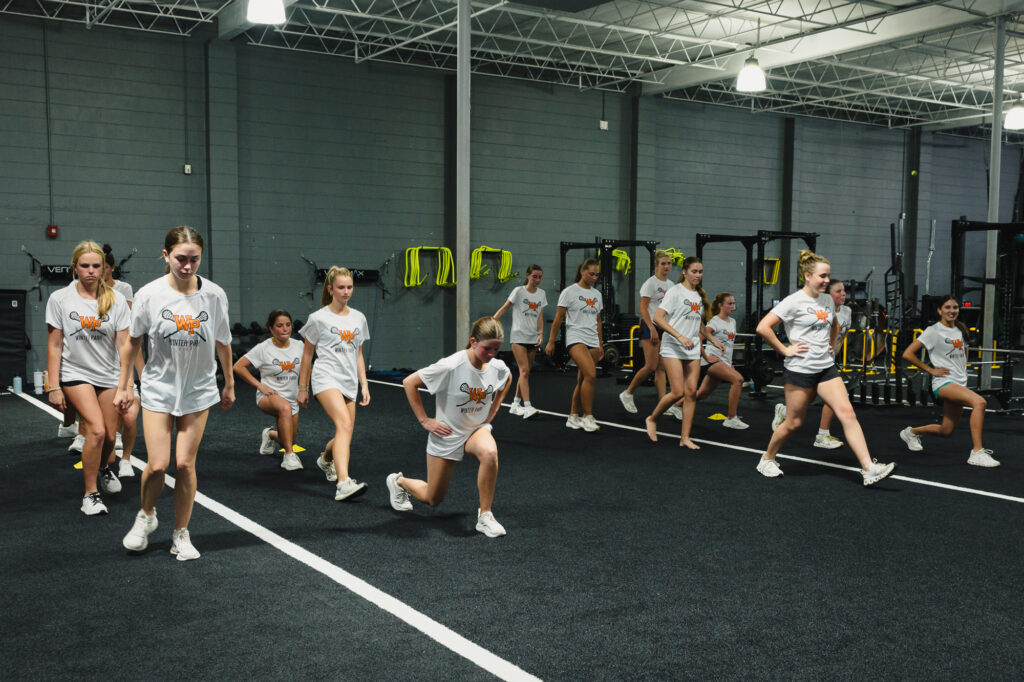
Summer is the most important training window of the year.
It’s the time when athletes have the opportunity to build strength, improve speed, and make the kind of physical progress that shows up when the season starts. But while the opportunity is there, many athletes don’t maximize it.
Not because they don’t work hard—but because they make the wrong decisions with how they train.
The difference between athletes who return in the fall improved and those who stay the same often comes down to a few key mistakes.
Here are the three biggest mistakes athletes make during summer training—and how to avoid them.
Mistake #1: Training Without a Plan
One of the most common issues in summer training is lack of structure.
Athletes bounce between:
- Random workouts
- Different programs
- Inconsistent schedules
Or they simply train “when they feel like it.”
The problem isn’t effort—it’s direction.
Without a structured plan, athletes:
- Miss key components of development
- Overtrain certain areas while neglecting others
- Struggle to track progress
Why It Matters
Physical development requires:
- Progressive overload
- Consistency
- Intentional programming
Random training produces random results.
How to Avoid It
Follow a structured weekly plan that includes:
- Strength training
- Speed and acceleration work
- Power development
- Recovery days
The goal is not to do more—it’s to do the right things consistently.
Mistake #2: Too Much Conditioning, Not Enough Speed and Strength
Many athletes—and even teams—fall into the trap of treating summer like conditioning season.
They spend most of their time:
- Running long distances
- Doing circuits
- Chasing fatigue
While conditioning has its place, it is not the primary driver of performance.
Why It Matters
Speed, power, and strength are what separate athletes.
Overemphasizing conditioning can:
- Reduce explosiveness
- Limit strength gains
- Increase fatigue and injury risk
Especially in sports that rely on short bursts (which is most sports), this approach misses the mark.
How to Avoid It
Prioritize:
- Speed training (sprints, acceleration work)
- Strength development (lower body and core focus)
- Power training (plyometrics, explosive lifts)
Conditioning should support performance—not replace it.
Mistake #3: Inconsistency
Even with a good plan, many athletes struggle with consistency.
Summer schedules are flexible—and that can work against progress.
Athletes may:
- Skip sessions
- Train sporadically
- Take long breaks between workouts
Why It Matters
Progress comes from stacking weeks of quality work.
Missing sessions leads to:
- Slower progress
- Loss of momentum
- Reduced adaptation
The athletes who improve the most aren’t always the most talented—they’re the most consistent.
How to Avoid It
Commit to:
- 4–5 training days per week
- A consistent schedule
- Treating training like a priority—not an option
Consistency is what turns good training into real results.
Bonus Mistake: Ignoring Recovery
While not always obvious, another major issue is neglecting recovery.
Athletes often:
- Undersleep
- Underfuel
- Skip mobility and recovery work
Why It Matters
Training creates stress. Recovery is what allows adaptation.
Without it:
- Performance plateaus
- Fatigue builds
- Injury risk increases
How to Avoid It
Prioritize:
- Sleep (7–9+ hours)
- Hydration and nutrition
- Mobility and recovery sessions
Recovery is not optional—it’s part of the program.
Final Thoughts
Summer is not just about working hard—it’s about training with purpose.
The athletes who maximize this window:
- Follow a structured plan
- Prioritize speed and strength
- Stay consistent
- Recover properly
Those who avoid these common mistakes don’t just improve—they separate themselves.
Because when the season starts, it’s too late to build the foundation.
That work gets done in the summer.
Leave a Reply