



Rehab vs Performance: Bridging the Gap Safely
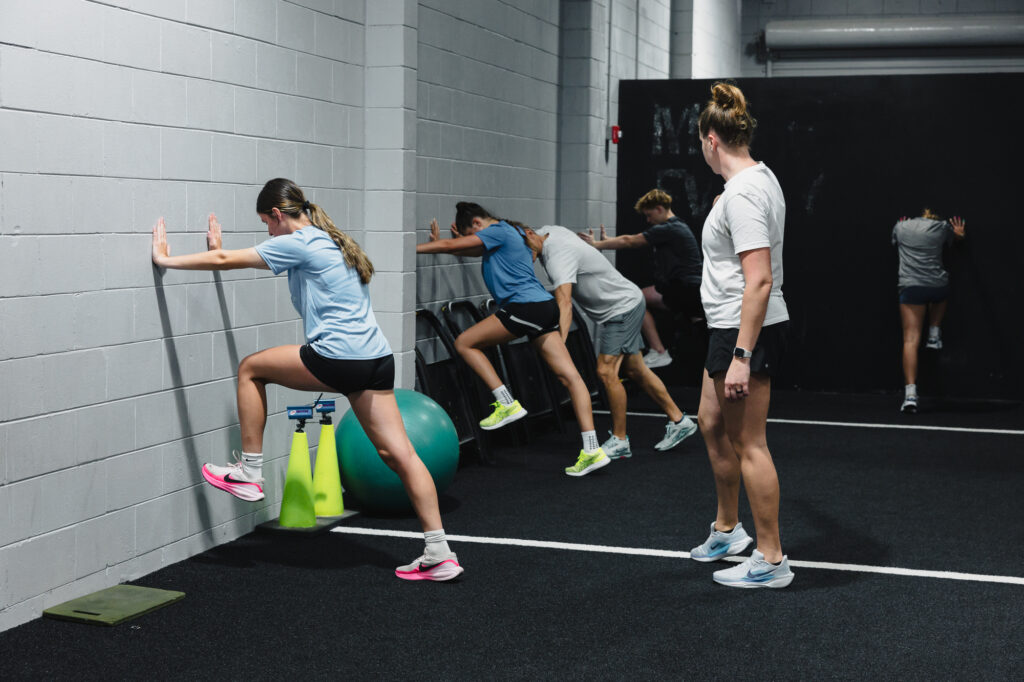
In the world of sports and fitness, there is often a clear line drawn between rehabilitation and performance training. Athletes get injured, complete physical therapy, and are eventually “cleared.” From there, they return to training or sport.
But this transition point — where rehab ends and performance begins — is often where problems occur.
Being “pain-free” is not the same as being prepared for performance. Without a structured bridge between rehab and full training, athletes are left vulnerable to re-injury, decreased performance, and inconsistent progress.
Bridging this gap safely is one of the most important — and most overlooked — aspects of long-term athletic development.
Rehab and Performance Have Different Goals
Rehabilitation is designed to:
- Reduce pain
- Restore basic movement
- Improve joint function
- Rebuild foundational strength
Performance training, on the other hand, focuses on:
- Maximizing speed, strength, and power
- Developing sport-specific skills
- Preparing the body for high-intensity demands
Both are essential — but they operate at different ends of the spectrum.
The problem arises when athletes try to jump directly from one to the other without a transitional phase.
Why the Gap Exists
Many rehab programs are successful at restoring function in controlled environments. However, sport and high-level training require the body to perform under:
- High speeds
- Rapid changes of direction
- Unpredictable environments
- Fatigue
These demands are rarely fully replicated in traditional rehabilitation settings.
As a result, athletes may:
- Feel good in the clinic
- Pass basic strength or range of motion tests
- Still lack the capacity to handle real performance demands
This mismatch creates risk.
“Cleared” Does Not Mean Ready
Medical clearance often means an athlete can safely resume activity — not that they are ready to perform at a high level.
Key qualities are often still underdeveloped, including:
- Rate of force development
- Reactive strength
- Deceleration ability
- Movement efficiency under fatigue
Without rebuilding these qualities, athletes are more likely to:
- Compensate during movement
- Experience performance limitations
- Re-injure the same area
The Role of Return-to-Performance Training
Return-to-performance is the bridge between rehab and full sport participation.
This phase focuses on rebuilding:
- Strength through full ranges of motion
- Speed and acceleration mechanics
- Plyometric ability and landing control
- Change-of-direction and deceleration skills
- Sport-specific movement patterns
The goal is to progressively reintroduce the demands of sport in a controlled, structured way.
Progression Matters
A safe transition requires gradual exposure to increasing intensity and complexity.
A typical progression might include:
- Controlled Strength and Stability
Rebuilding strength, coordination, and joint control - Dynamic Movement Integration
Introducing faster, more complex movement patterns - Plyometrics and Power Development
Training the body to absorb and produce force rapidly - Speed and Change of Direction
Reintroducing sport-relevant movement demands - Sport-Specific Conditioning
Preparing the athlete for real-game intensity and fatigue
Skipping steps in this progression often leads to setbacks.
Collaboration Is Key
The most effective return-to-performance programs involve collaboration between:
- Physical therapists
- Strength and conditioning coaches
- Sport coaches
When communication is aligned, athletes receive consistent guidance that supports both recovery and performance goals.
This integrated approach ensures that progress in the clinic translates to success in training and competition.
Monitoring and Feedback
Objective data can play a valuable role in bridging the gap.
Tracking metrics such as:
- Strength asymmetries
- Jump performance
- Force output
- Movement quality
Provides insight into whether an athlete is truly ready to progress.
These metrics help guide decisions and reduce guesswork during the return process.
Confidence Matters
Physical readiness is only part of the equation.
Athletes must also rebuild:
- Confidence in their body
- Trust in movement
- Comfort under pressure
Gradual exposure to sport-specific demands helps restore this confidence and reduces hesitation during play.
The Cost of Rushing the Process
Returning too quickly often leads to:
- Re-injury
- Chronic issues
- Lost playing time
- Decreased performance
While it may feel like progress in the short term, skipping the return-to-performance phase often creates longer setbacks.
Final Thoughts
Rehabilitation and performance are not separate systems — they are part of the same continuum.
The goal is not just to get athletes out of pain, but to prepare them for the demands of sport at the highest level.
Bridging the gap safely requires structure, progression, and collaboration. When done correctly, it allows athletes to return stronger, more resilient, and better prepared than before.
Because the true finish line isn’t being pain-free — it’s being ready to perform.
Leave a Reply