



What High School Football Players Should Focus on During Off-Season Training

The off-season is where football players are built.
Not during Friday nights. Not during summer camps. Not even during in-season practices.
For high school football athletes, the off-season is the most important window to improve strength, speed, durability, and confidence — without the constant stress of games and weekly practices.
But not all off-season training is created equal.
Below is a clear breakdown of what high school football players should actually focus on during the off-season to set themselves up for a healthier, faster, and more dominant season.
1. Build a Strong Movement Foundation First
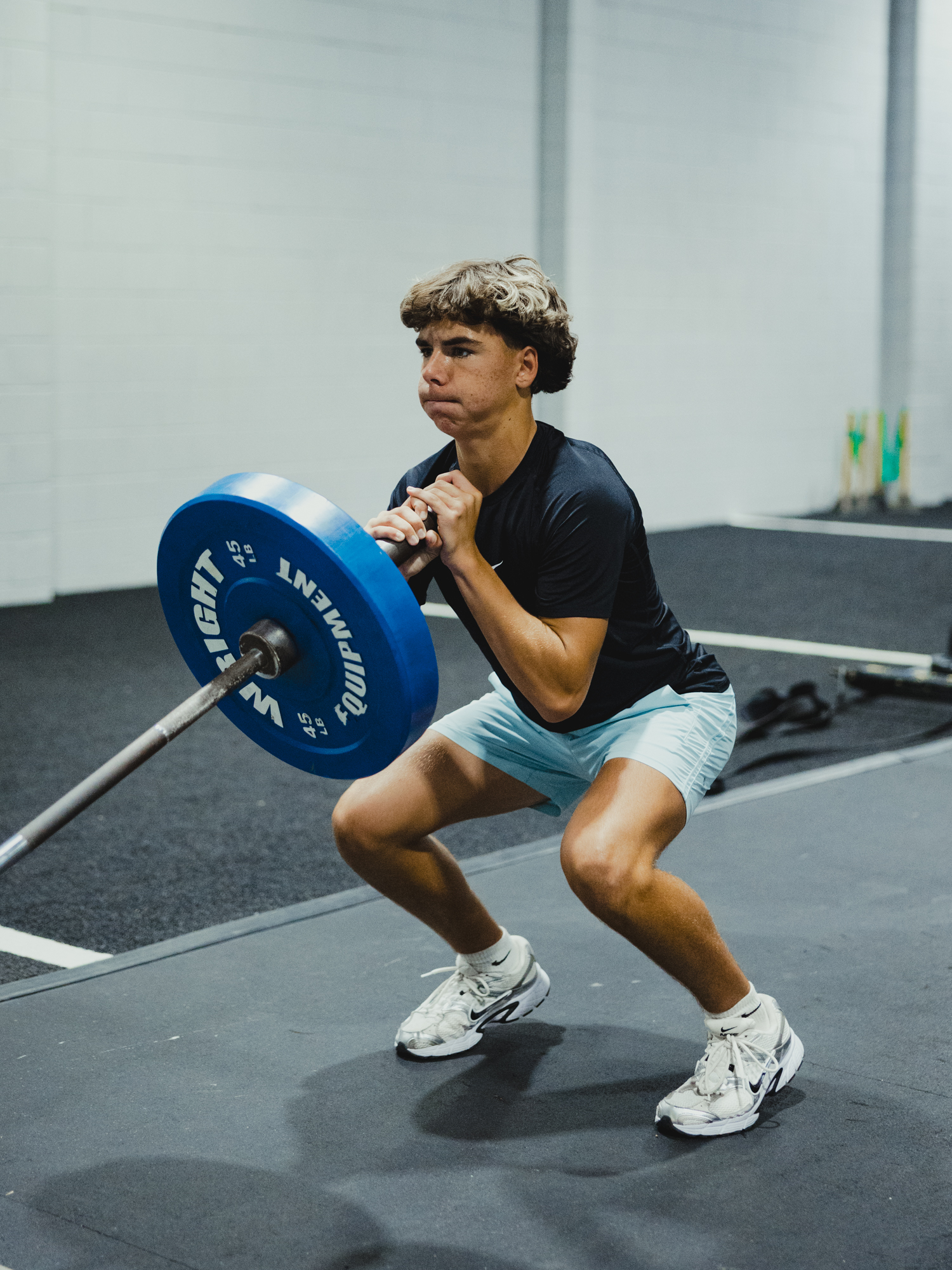
Before worrying about how much weight is on the bar, athletes must learn how to move well.
Many high school football injuries don’t come from contact — they come from poor mechanics, weak positions, and lack of control.
Key priorities:
- Proper squatting, hinging, lunging, pushing, and pulling mechanics
- Core stability and posture under movement
- Balance and body control in multiple planes
If an athlete can’t control their body weight efficiently, loading it aggressively is a mistake.
Off-season is the time to clean this up.
2. Develop Real Strength (Not Just Max Lifts)
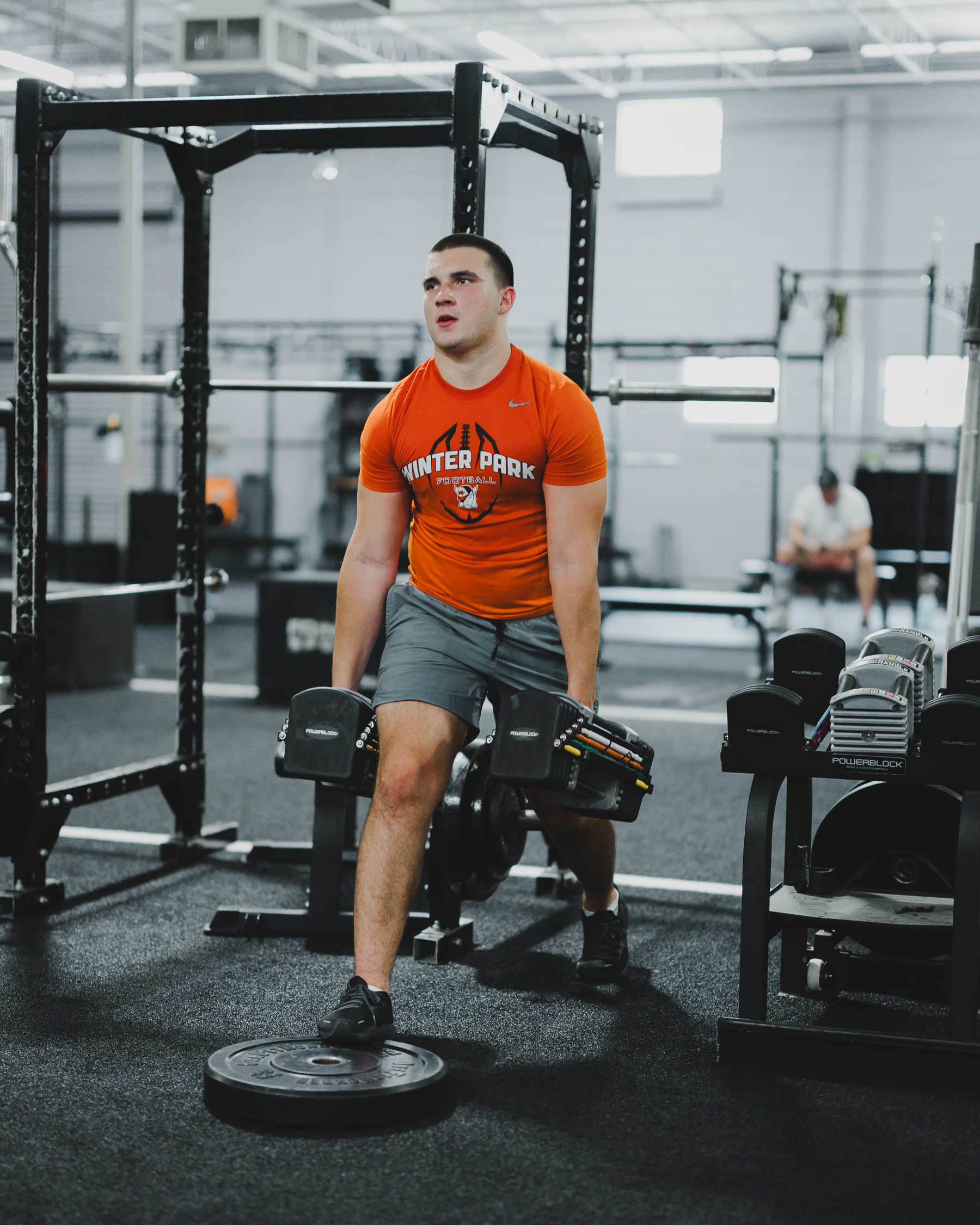
Strength matters in football — but usable strength matters more than max numbers.
Off-season strength training should focus on:
- Building muscle and joint integrity
- Improving force production through full ranges of motion
- Developing symmetrical strength and reducing imbalances
What smart strength work looks like:
- Squats, hinges, presses, pulls, carries
- Controlled tempos and full technique mastery
- Progressive loading over weeks, not rushed max testing
Strong athletes absorb contact better, produce more force, and stay healthier throughout the season.
3. Prioritize Speed Mechanics and Acceleration
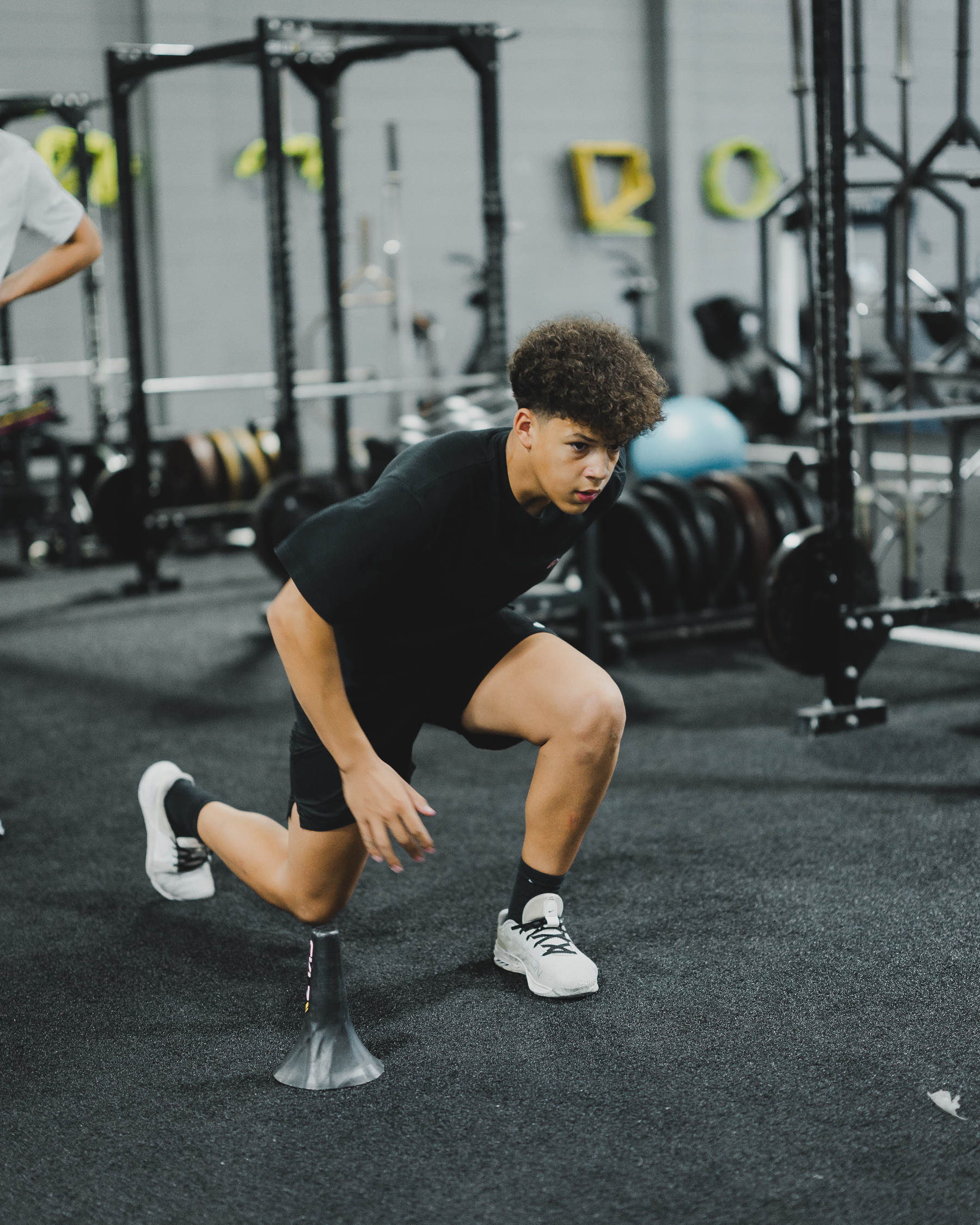
Speed is not just genetics — it’s skill.
The off-season is the best time to:
- Improve sprint posture
- Learn efficient acceleration mechanics
- Build rhythm and coordination
Key speed qualities to train:
- First-step explosiveness
- Acceleration mechanics (0–20 yards)
- Sprint efficiency and stiffness
Football speed is about getting fast quickly, not just top-end sprinting. Technical speed work now translates directly to on-field performance later.
4. Train Agility, Deceleration, and Change of Direction

Football is chaotic. Athletes must stop, start, redirect, and react under pressure.
Off-season agility training should emphasize:
- Braking mechanics (how to slow down safely)
- Change-of-direction efficiency
- Lateral and rotational strength
This not only improves performance but significantly reduces injury risk, especially to knees and ankles.
5. Build Power the Right Way
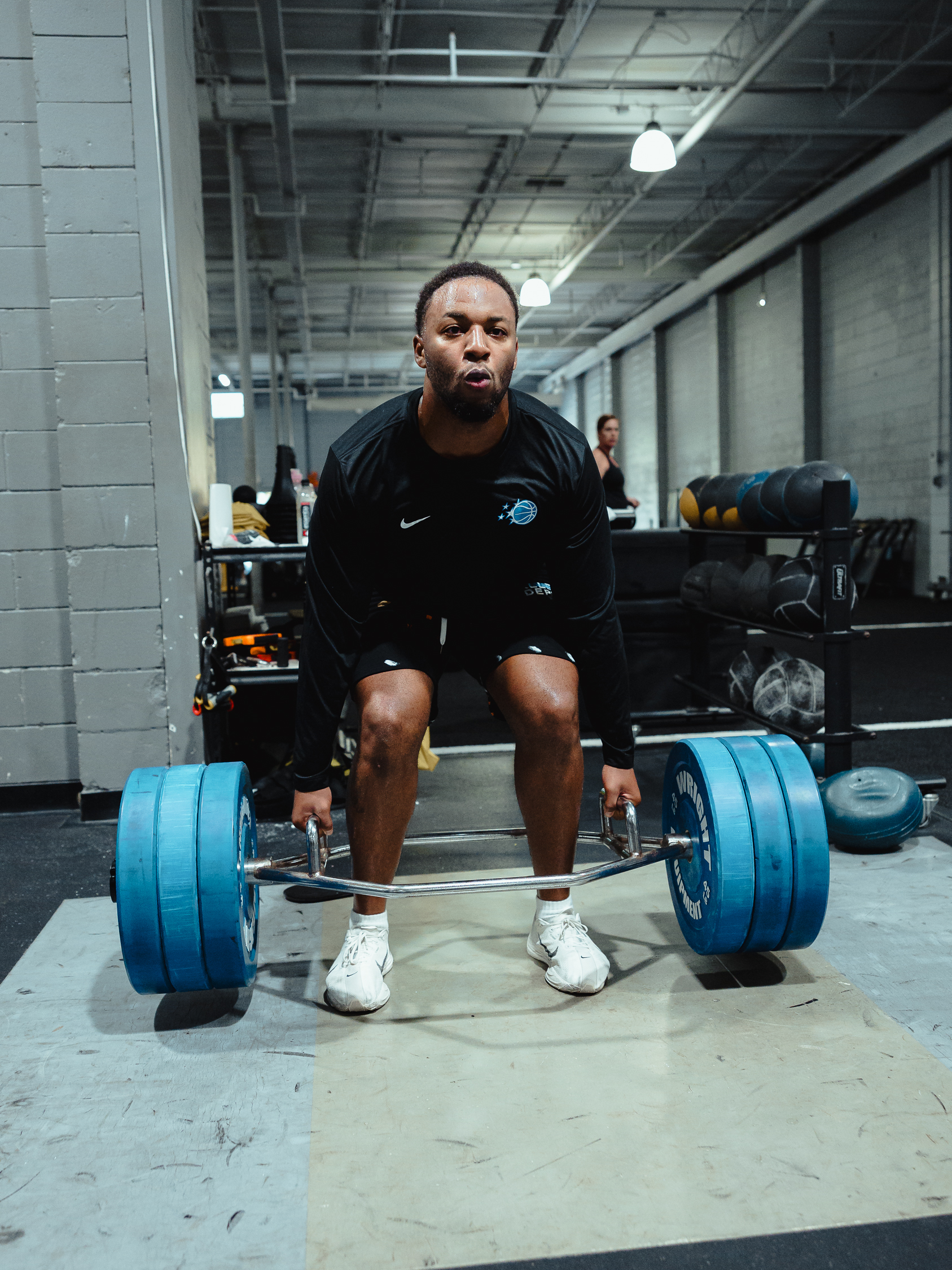
Power is strength expressed quickly — and it’s essential for football.
But power training should come after athletes have earned it with good mechanics and strength.
Smart power development includes:
- Jumps and throws
- Low-volume, high-quality explosive movements
- Emphasis on intent and execution, not fatigue
Power training done correctly improves:
- Blocking and tackling force
- First-step quickness
- On-field explosiveness
6. Improve Conditioning Without Beating the Body Down

Off-season conditioning should prepare, not punish.
Endless running and conditioning circuits often:
- Break down mechanics
- Increase injury risk
- Interfere with strength and speed gains
Instead, conditioning should be:
- Position-aware
- Built around short, high-quality efforts
- Progressed gradually
A strong aerobic base combined with repeated sprint ability is far more valuable than mindless volume.
7. Recovery, Mobility, and Durability Matter

High school athletes often underestimate recovery — until they’re injured.
Off-season training must include:
- Mobility work for hips, ankles, shoulders, and spine
- Soft-tissue care and recovery strategies
- Education on sleep, hydration, and nutrition
The goal is to enter the season feeling better than when training started, not worn down.
8. Consistency Beats Intensity
The best off-season programs aren’t flashy — they’re consistent.
Athletes who train:
- 3–5 days per week
- With structure and progression
- Over multiple months
Will outperform athletes who bounce between random workouts, camps, and trends.
Progress is built through weeks and months, not single workouts.
Final Thoughts: Train for the Season You Want
The off-season is where football players separate themselves.
When training is structured correctly, athletes enter the season:
- Stronger
- Faster
- More confident
- More resilient
Off-season training isn’t about doing more — it’s about doing what matters most, at the right time, in the right order.
Build the foundation now, and let it show when the lights come on.
Leave a Reply