



Youth Athlete Development: Building the Base the Right Way
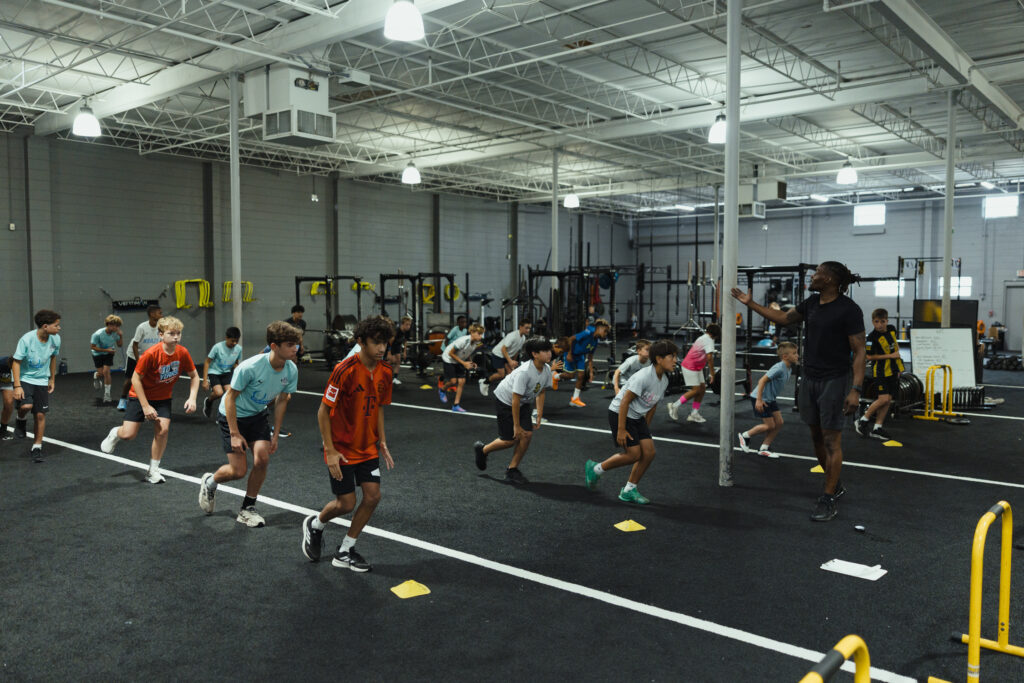
Youth sports have become more competitive than ever. Many young athletes are playing year-round, joining multiple teams, and specializing in a single sport earlier than previous generations. While the intention is often to accelerate development, the reality is that skipping foundational development can limit long-term potential and increase injury risk.
The goal of youth athletic training should not be early peak performance. Instead, it should focus on building the physical and movement foundation that allows athletes to develop safely and reach their potential over time.
This is where proper youth athlete development becomes critical.
Youth Development Is About Building the Foundation
Young athletes are not miniature adults. Their bodies are still growing, coordination is developing, and movement patterns are being formed.
During this stage, the focus should be on developing fundamental athletic qualities, including:
- Balance and coordination
- Speed mechanics
- Agility and body control
- Foundational strength
- Spatial awareness and reaction
These qualities form the base that supports future sport-specific performance. Athletes who develop these skills early often progress more quickly and experience fewer setbacks as training intensifies later.
Movement Quality Comes Before Load
One of the most important priorities in youth training is teaching athletes how to move well.
Before worrying about how much weight an athlete can lift, young athletes should learn proper movement patterns such as:
- Squatting
- Hinghing
- Lunging
- Pushing and pulling
- Bracing and core control
When athletes understand how to control their bodies through these movements, strength training becomes both safer and more effective.
Developing good movement patterns early creates habits that can last throughout an athlete’s career.
Speed and Coordination Should Be Trained Early
Speed is often thought of as something athletes are born with, but speed is also a skill.
Young athletes benefit tremendously from learning proper acceleration mechanics, posture, and rhythm during sprinting. At younger ages, the nervous system is highly adaptable, making it an ideal time to develop coordination and movement efficiency.
Training during these years should emphasize:
- Short sprints
- Multi-directional movement
- Reactive drills
- Jumping and landing mechanics
These activities help build the neuromuscular foundation for future athletic performance.
Strength Training Is Safe and Beneficial for Youth Athletes
Despite lingering misconceptions, properly supervised strength training is both safe and beneficial for young athletes.
Youth strength training focuses on:
- Bodyweight movements
- Light external resistance
- Controlled technique
- Progressive skill development
Benefits include:
- Improved movement control
- Increased joint stability
- Enhanced injury resistance
- Better athletic confidence
The goal is not maximal strength but developing strength relative to the athlete’s body and movement capacity.
Injury Prevention Starts With Preparation
Many youth injuries occur not because of a single traumatic event, but because the body is not prepared to handle the physical demands of sport.
Proper development programs teach athletes how to:
- Decelerate safely
- Control landings
- Maintain joint alignment
- Stabilize the hips, knees, and trunk
These skills dramatically reduce injury risk while improving performance at the same time.
Confidence Through Competence
Another important benefit of youth development programs is the confidence they build.
When young athletes feel strong, coordinated, and capable in their bodies, they approach sport with greater confidence and enjoyment. This confidence often translates into improved performance, leadership, and long-term engagement in physical activity.
Youth training should help athletes feel capable and empowered, not overwhelmed.
Long-Term Development Wins
Athletic development is not a short race. It is a long process that unfolds over many years.
The athletes who ultimately reach the highest levels are rarely those who peak the earliest. Instead, they are the athletes who build their foundation patiently and progressively.
By prioritizing movement quality, coordination, strength, and overall athletic development, young athletes can prepare their bodies for the demands that come later in high school, collegiate, and potentially professional sport.
Final Thoughts
Youth athlete development is about preparing the body for the future.
The goal is not simply to win the next game or tournament. It is to build a foundation that allows athletes to stay healthy, improve consistently, and enjoy sports for years to come.
When young athletes learn to move well, develop strength safely, and build athletic confidence, they create the base that supports everything that comes next.
Building the base the right way ensures that performance later is not limited by what was skipped early.
Leave a Reply