



What to Look for in a Central Florida Sports Performance Program
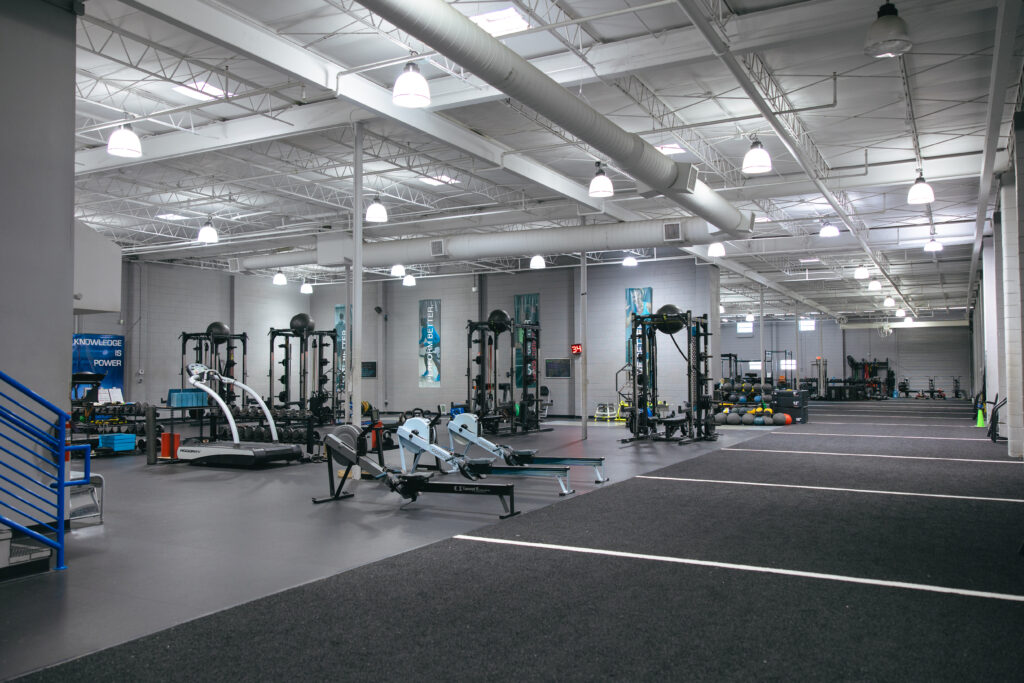
Central Florida has no shortage of sports performance facilities.
From private trainers and group classes to large gyms and specialty programs, athletes and parents are presented with countless options — all promising speed, strength, and results.
But not all sports performance programs are created equal.
Whether you’re a parent of a youth or high school athlete, a collegiate athlete home for the summer, or an adult looking for high-level training, knowing what to look for can make the difference between real development and wasted time.
This guide outlines the key qualities that define a high-quality sports performance program in Central Florida — and what separates long-term development from short-term hype.
1. A Clear Training Philosophy (Not Random Workouts)
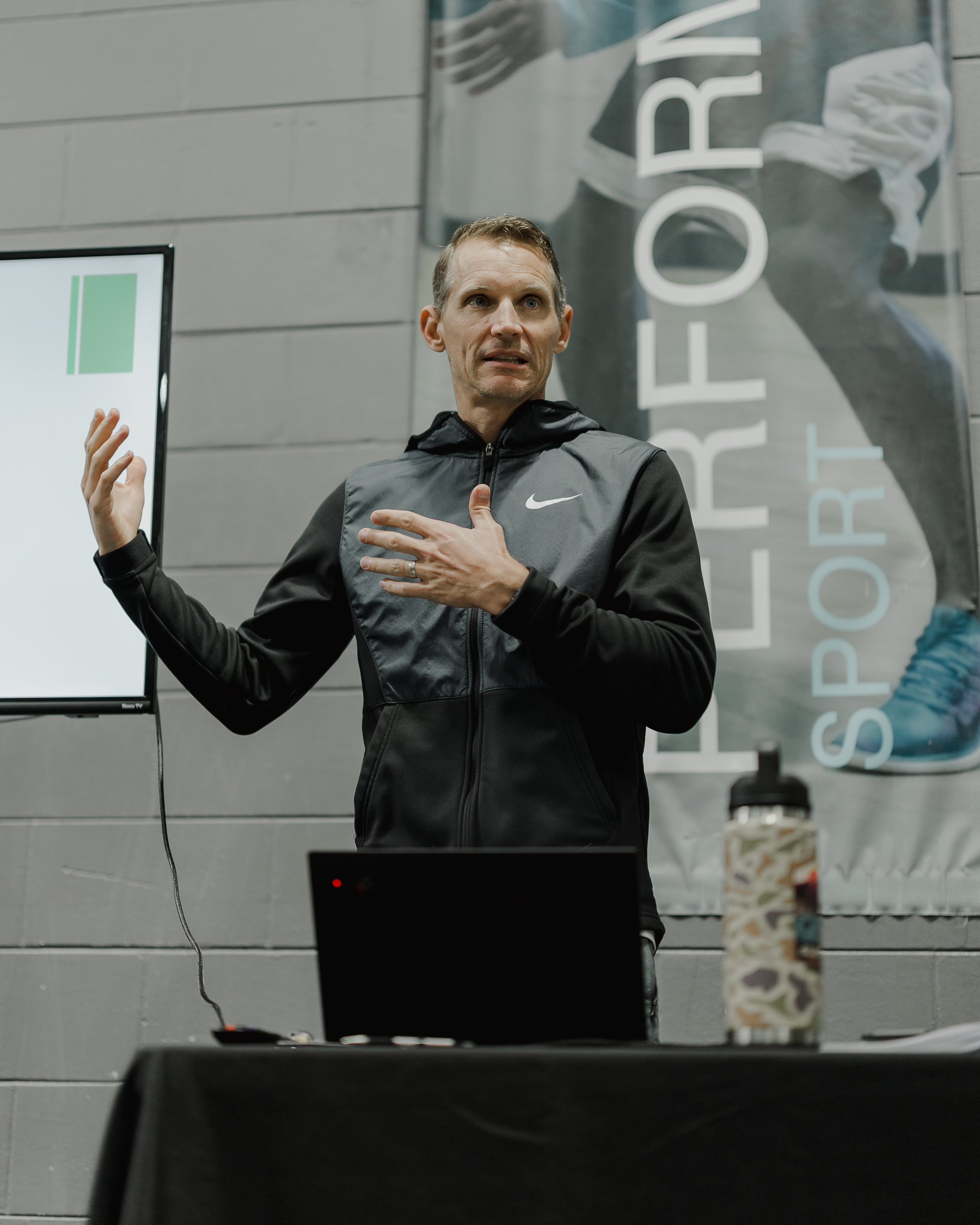
A legitimate sports performance program should be able to clearly explain:
- Why they train the way they do
- How their program progresses over time
- Who their training is designed for
If sessions feel random, constantly changing without purpose, or overly dependent on trends, progress will be inconsistent.
Look for programs built on:
- Long-term athlete development principles
- Structured progressions
- Logical phases (off-season, in-season, return-to-play, etc.)
Consistency and intent matter far more than novelty.
2. Coaches Who Teach, Not Just Supervise
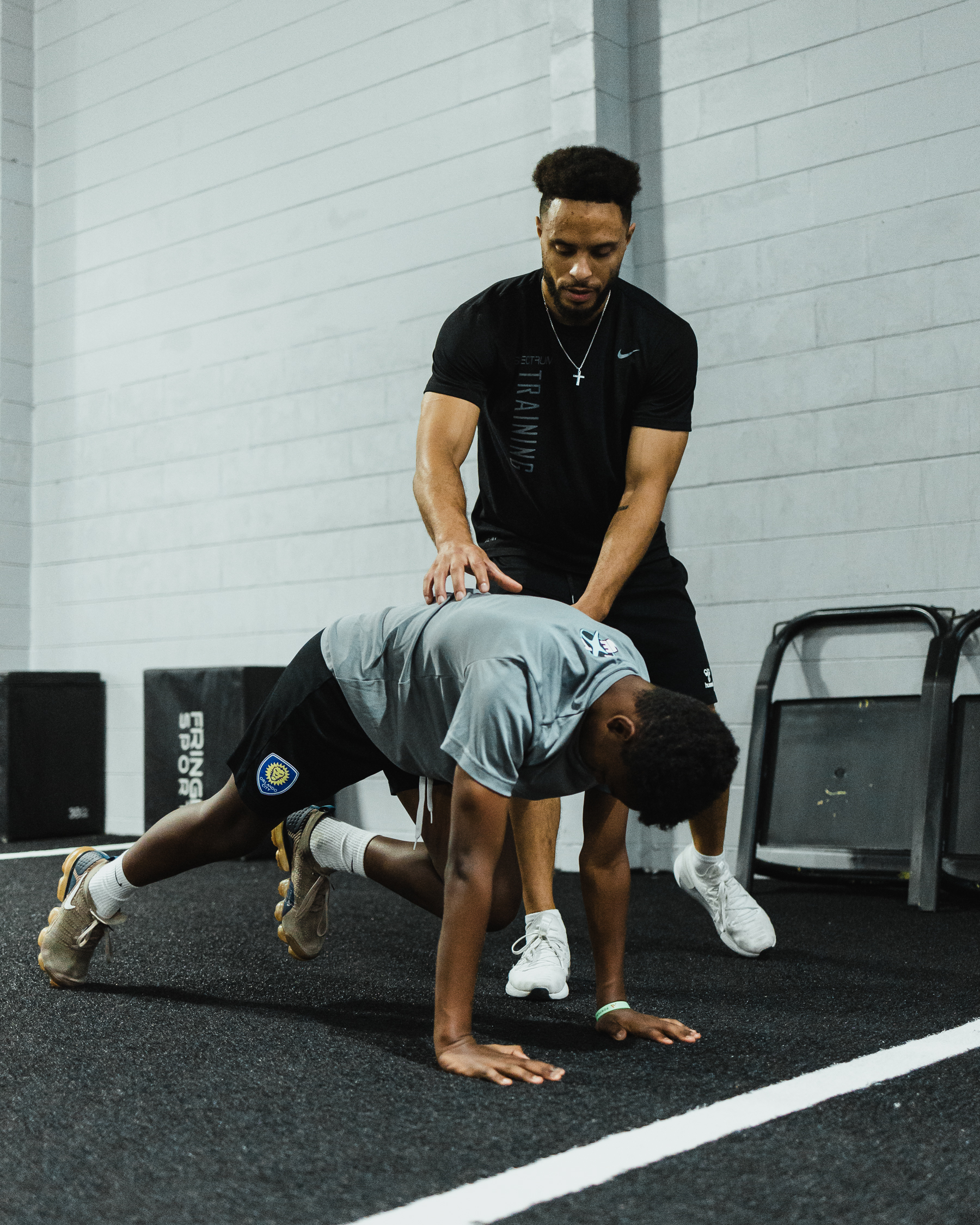
The quality of a program is ultimately defined by its coaches.
In a strong sports performance environment, coaches:
- Actively teach movement and technique
- Provide clear cues and feedback
- Adjust training based on the athlete in front of them
Be cautious of environments where athletes are simply given a workout and left to self-manage.
Coaching should be hands-on, attentive, and educational — especially for developing athletes.
3. Emphasis on Movement Quality Before Load
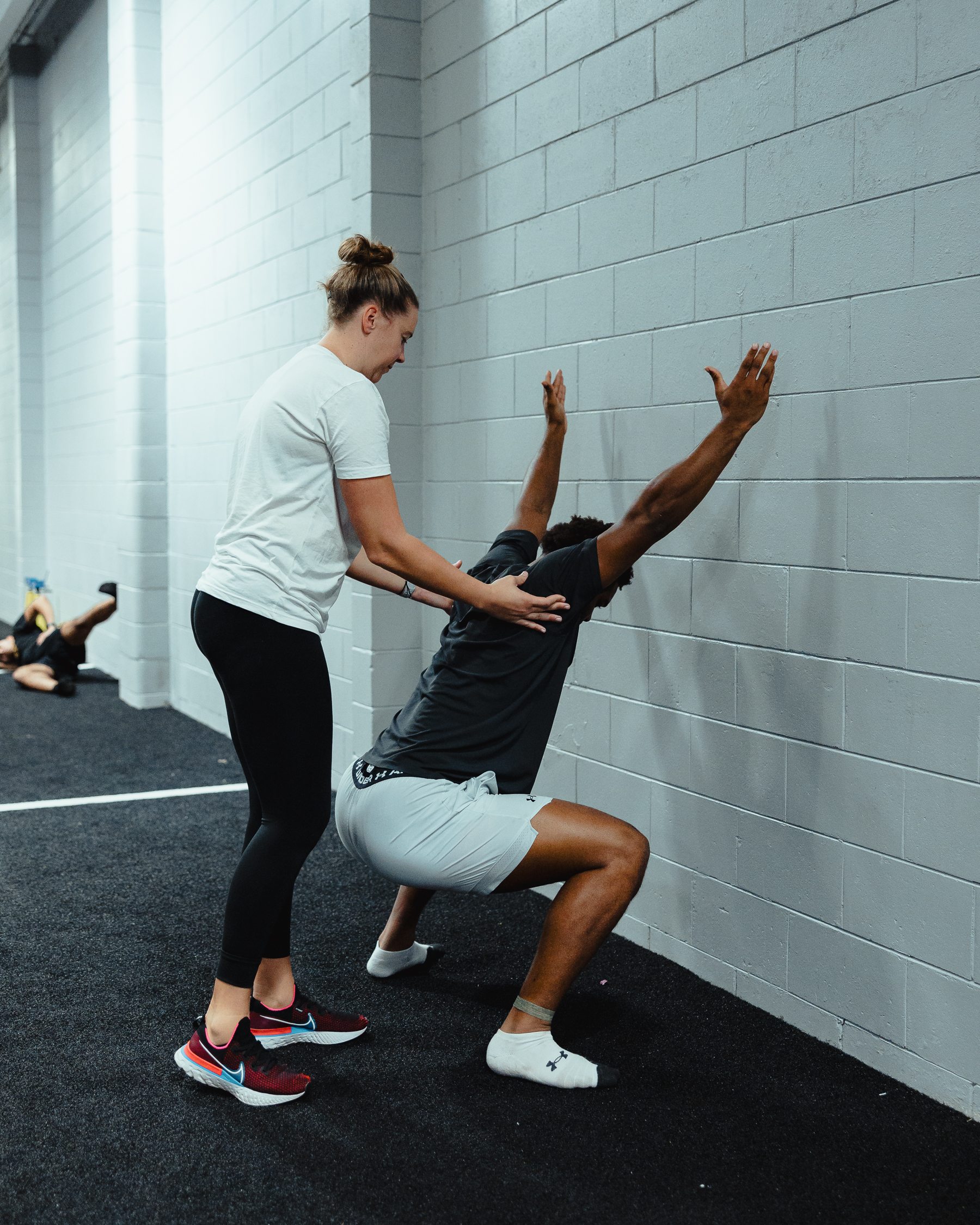
Strength training is valuable, but only when built on proper movement.
A high-quality program prioritizes:
- Squatting, hinging, pushing, pulling, and bracing mechanics
- Balance, coordination, and body control
- Posture and joint alignment
Programs that rush athletes into heavy lifting without addressing movement fundamentals increase injury risk and limit long-term progress.
In Central Florida, where athletes often train year-round across multiple sports, this foundation is critical.
4. Speed and Agility Training That Is Actually Coached
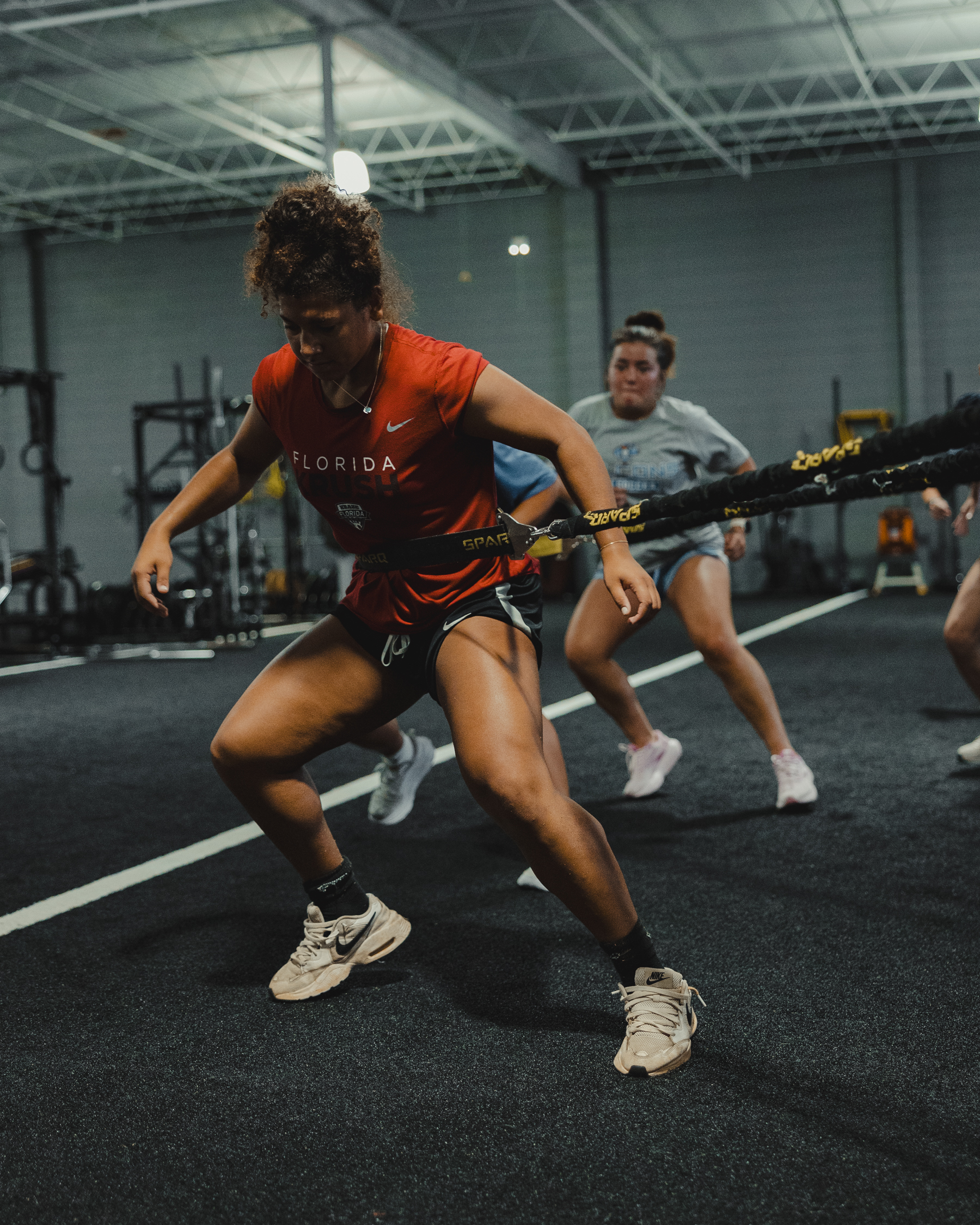
Speed is one of the most sought-after qualities — and one of the most misunderstood.
Effective speed and agility training includes:
- Sprint mechanics and posture
- Acceleration and deceleration training
- Change-of-direction efficiency
Simply running fast or doing ladder drills is not the same as coached speed development.
Look for programs that treat speed as a skill, not just conditioning.
5. Individualization Within Group Training
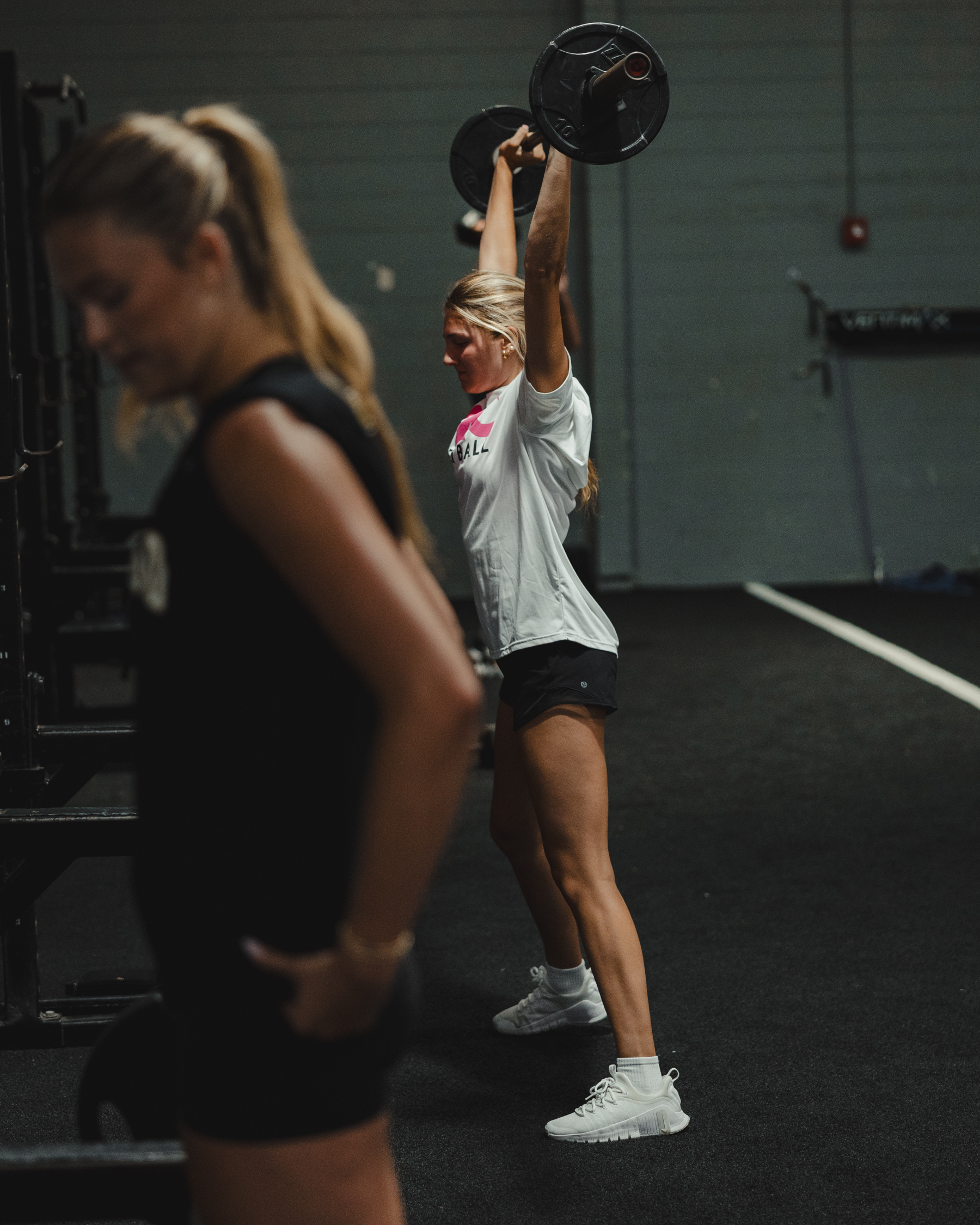
Group training can be highly effective — when done correctly.
Quality programs:
- Group athletes by age, training experience, or needs
- Scale exercises appropriately
- Adjust volume and intensity based on the athlete
One-size-fits-all programming often leads to stagnation or injury.
Ask how the program adapts training for different ages, sports, and experience levels.
6. Integration of Recovery, Mobility, and Durability
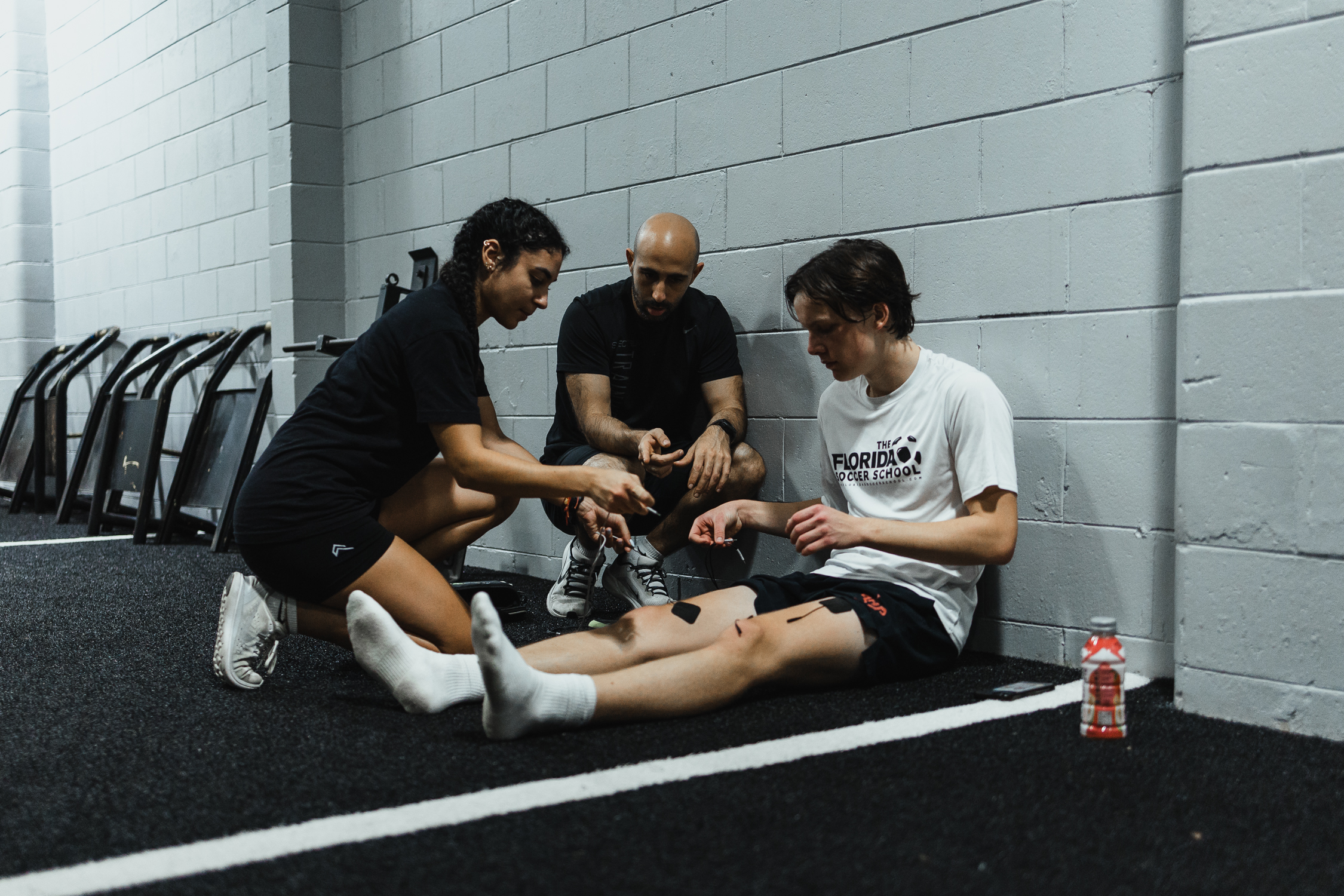
Training stress without recovery is a recipe for burnout.
Strong sports performance programs include:
- Mobility and movement preparation
- Recovery strategies and education
- Load management across seasons
This is especially important in Central Florida, where athletes often compete year-round with minimal true off-seasons.
Durability is just as important as performance.
7. Access to Physical Therapy and Return-to-Performance Support
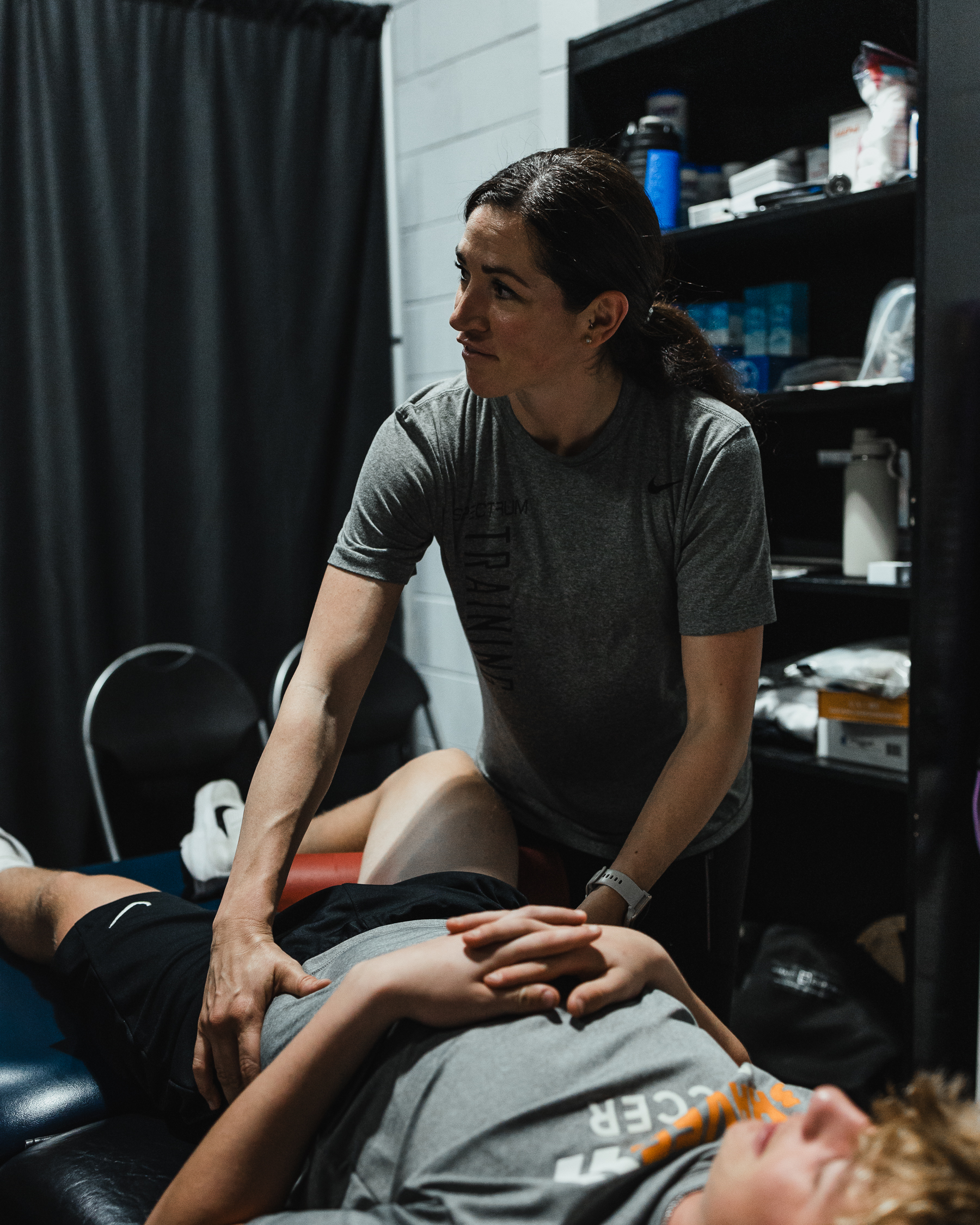
One major differentiator in a top-tier program is the ability to bridge rehab and performance.
Programs connected to physical therapy can:
- Address minor issues before they become major injuries
- Guide athletes safely through return-to-play phases
- Align rehab goals with performance goals
This integrated approach keeps athletes healthier and training more consistently.
8. Data, Testing, and Objective Feedback
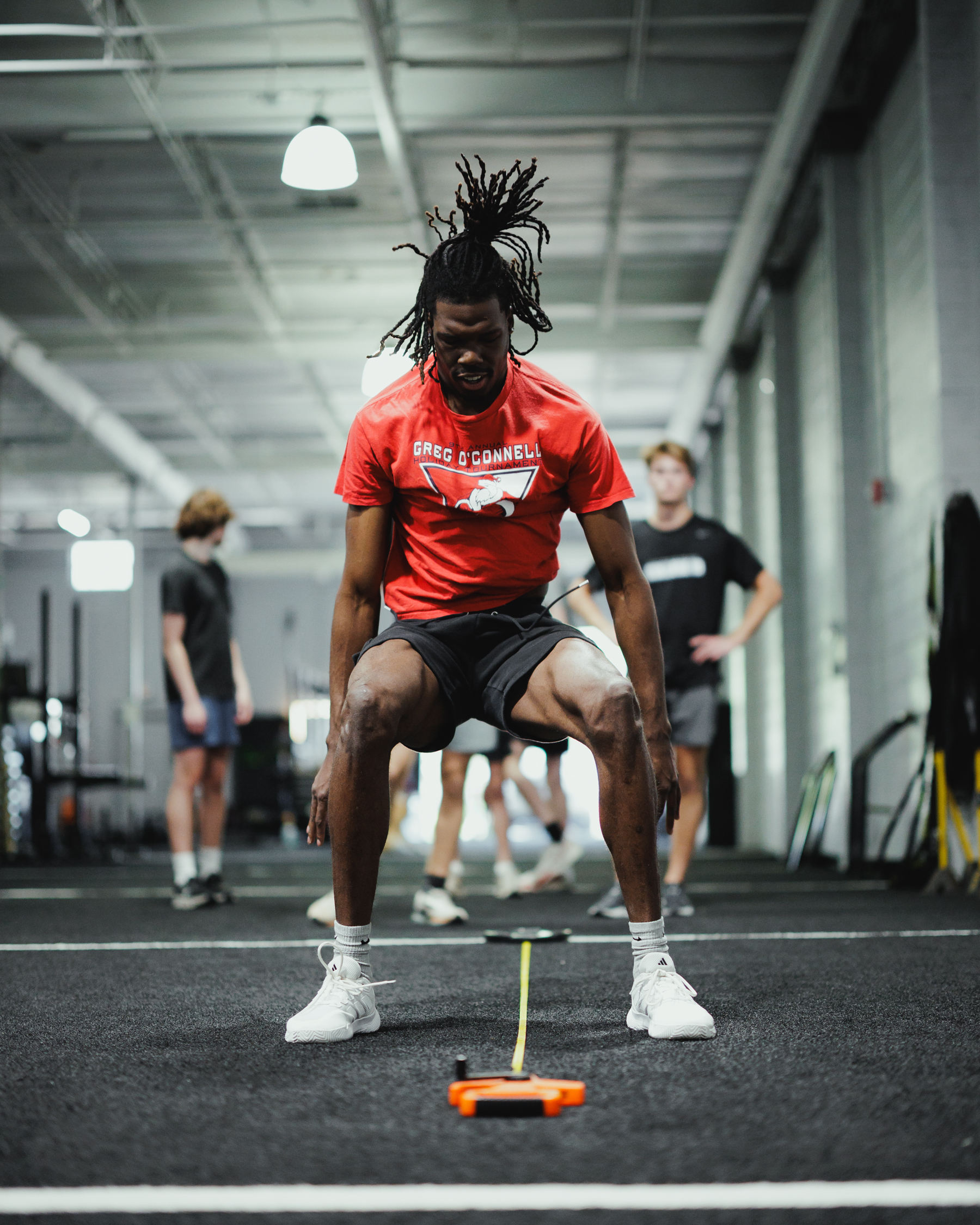
While testing should never drive training entirely, objective data can enhance accountability and clarity.
Look for programs that:
- Track performance metrics (speed, power, strength)
- Use testing to guide decisions
- Explain results in a way athletes and parents understand
Data should inform development — not just be used for marketing.
9. A Culture Focused on Development, Not Just Exposure
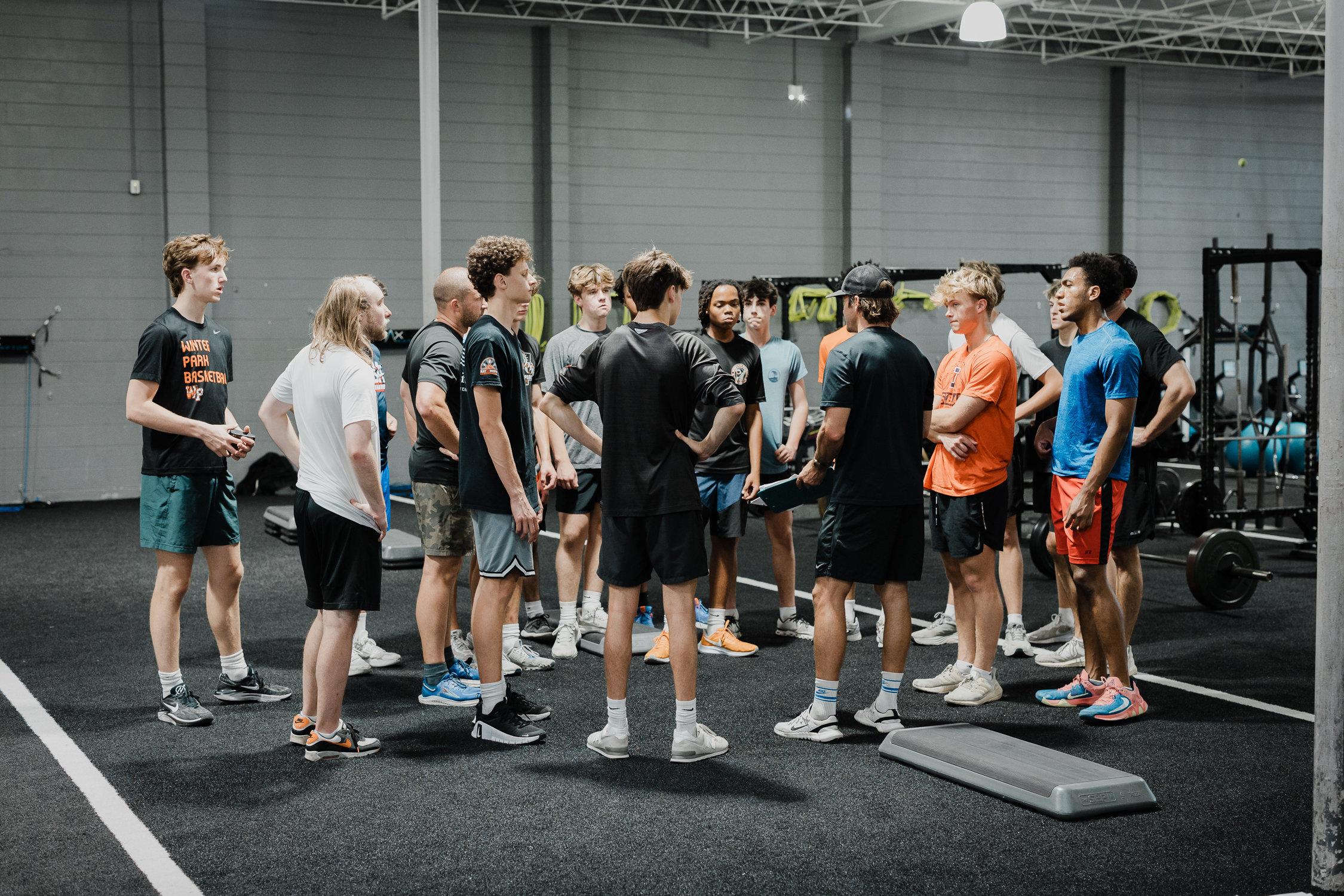
The best programs focus on:
- Building habits
- Teaching discipline and consistency
- Developing confidence through competence
Promises of scholarships or exposure should be approached cautiously.
True development creates opportunities — not guarantees.
10. Transparency and Communication
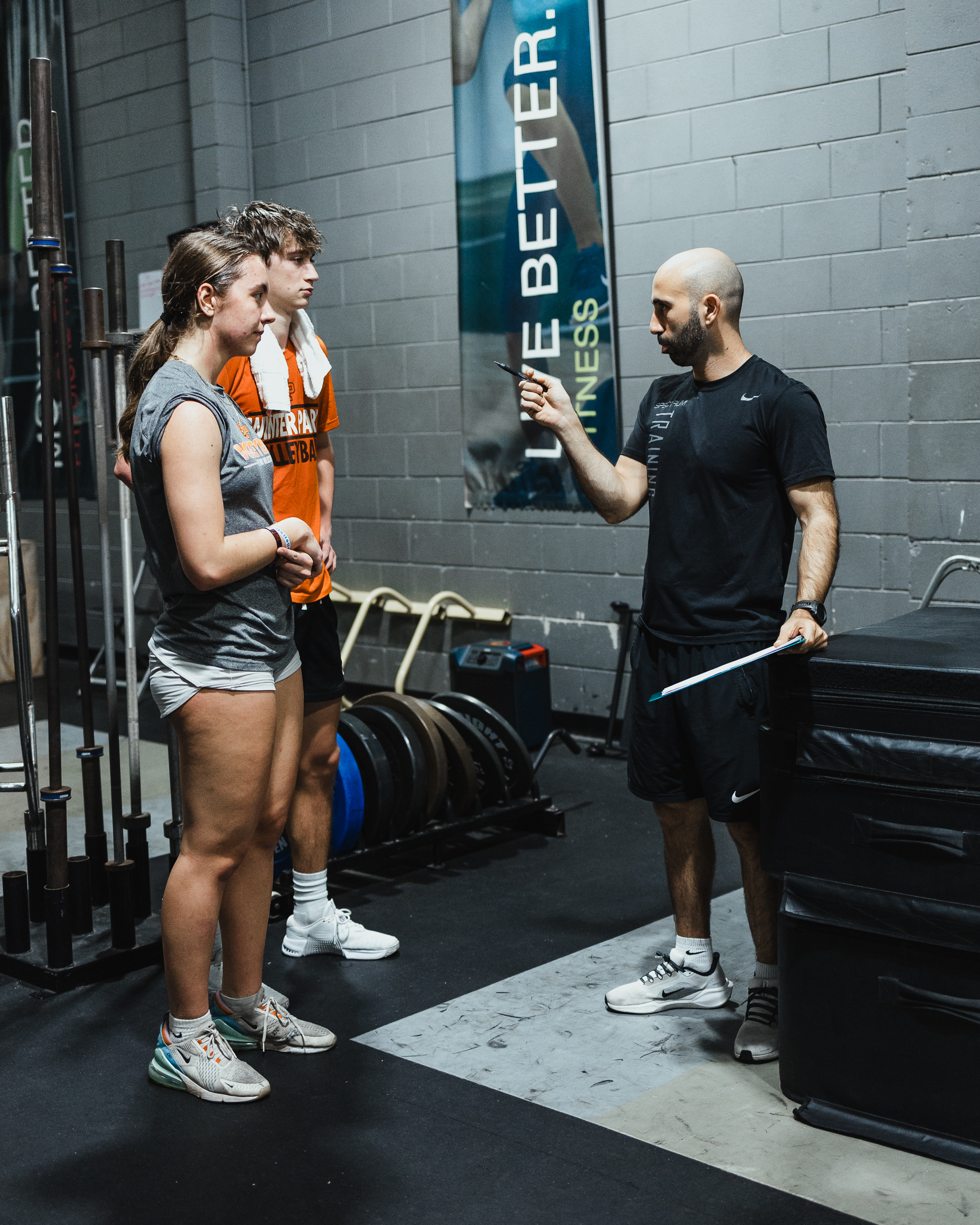
Parents and athletes should feel informed and supported.
Quality programs communicate:
- Expectations
- Progress
- Scheduling and program structure
Open communication builds trust and long-term relationships.
Final Thoughts
Central Florida is a competitive landscape for sports performance — and that’s a good thing.
But the best program isn’t defined by flashy facilities or viral workouts. It’s defined by coaching quality, structure, and a commitment to long-term development.
When evaluating a sports performance program, look for one that prioritizes movement, teaches speed and strength with intent, integrates recovery, and prepares athletes not just for the next season — but for the years ahead.
That’s where real results are built.
Leave a Reply